How I Upgraded My Daily Routine with Smarter Health Tracking
What if small, consistent changes in how you monitor your daily habits could transform your well-being? I used to overlook simple signs my body gave—low energy, poor sleep, mood shifts—until I started tracking them mindfully. With real-time insights, I adjusted my routines and saw noticeable improvements. This isn’t about extreme fixes; it’s about smart, sustainable awareness that empowers better choices every day. What began as a curiosity soon became a quiet revolution in my daily life—one rooted not in drastic overhauls, but in gentle, informed adjustments that added up to lasting change.
The Wake-Up Call: Recognizing the Need for Change
For years, I believed I was doing everything right. I ate balanced meals, walked regularly, and tried to get enough rest. Yet, by mid-afternoon, I often felt drained, irritable, and unfocused. My productivity dipped, my patience wore thin, and I found myself reaching for sugary snacks to push through the fog. At first, I blamed stress or a busy schedule. But when these patterns persisted despite my best efforts, I realized something was missing: awareness. I was making choices based on intention, not on evidence. I thought I was healthy, but my body was sending signals I wasn’t listening to.
The turning point came after a routine check-up. My doctor noted slightly elevated blood pressure and suggested lifestyle tweaks—nothing alarming, but a nudge to pay closer attention. That conversation sparked a shift. I began to wonder: what if I could see the connections between my daily habits and how I actually felt? What if fatigue wasn’t just ‘part of aging,’ but a clue pointing to sleep quality, hydration, or activity levels? This curiosity led me to explore health monitoring not as a medical necessity, but as a tool for personal insight. It wasn’t about fixing a problem—it was about understanding my body more deeply.
What I discovered was a gap between what I thought I was doing and what was actually happening. I believed I was active, but my step count revealed long stretches of inactivity. I thought I slept well, but sleep tracking showed frequent awakenings. This disconnect between perception and reality is common. Many people maintain routines they assume are healthy, only to feel less than vibrant. Health monitoring bridges that gap by providing objective feedback. It turns vague feelings into measurable data, making it easier to identify patterns and make informed changes. For me, it was the missing link between good intentions and real results.
What Is Health Monitoring—And Why It Matters More Than You Think
Health monitoring is often associated with medical tests or clinical settings, but its true power lies in everyday tracking. It means observing and recording aspects of your daily life—sleep duration and quality, physical activity, mood fluctuations, hydration, nutrition, and stress levels. Unlike occasional doctor visits, which offer snapshots, daily monitoring provides a continuous stream of information. This ongoing feedback allows you to see trends over time, such as how poor sleep affects your energy the next day, or how certain foods influence your digestion or mood.
The value of this practice is supported by behavioral science. The concept of feedback loops explains how information about our actions can lead to behavior change. When you see that skipping breakfast leads to afternoon cravings, or that a 20-minute walk improves your focus, you’re more likely to repeat the positive behavior. This process strengthens self-awareness and encourages accountability. Studies have shown that people who track their habits are more successful at maintaining them. For example, research published in the Journal of Medical Internet Research found that self-monitoring significantly improves adherence to physical activity and dietary goals.
Moreover, health monitoring helps overcome the limitations of memory and intuition. We tend to recall extremes—either a terrible night of sleep or an unusually energetic day—but miss the subtle patterns in between. Data fills those gaps. It reveals the cumulative impact of small choices: how five minutes less sleep each night adds up over a week, or how frequent snacking contributes to daily calorie intake. This level of insight empowers you to make adjustments that are precise and effective, rather than guesswork. It transforms wellness from a series of isolated habits into a connected, responsive system.
From Guesswork to Data: Tools That Make Tracking Effortless
One of the biggest misconceptions about health monitoring is that it requires expensive gadgets or complex apps. While wearable devices like fitness trackers and smartwatches offer detailed insights, they’re not the only option. The key is finding tools that fit your lifestyle and goals. For some, a simple notebook and pen work just as well. The goal isn’t perfection—it’s consistency. The best tool is the one you’ll actually use.
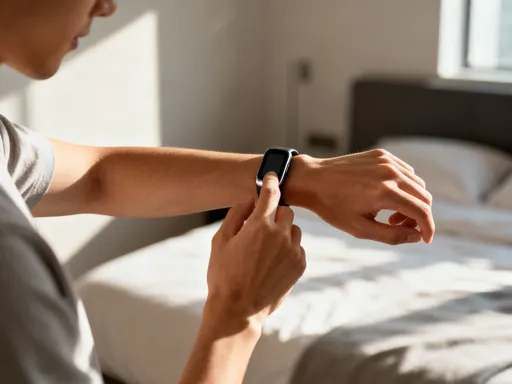
Wearable devices can track steps, heart rate, sleep stages, and even stress indicators like heart rate variability. Many sync with smartphone apps, providing visual summaries and trends over time. These tools are especially helpful for people who respond well to numbers and graphs. For example, seeing a weekly average of 6,000 steps might motivate someone to aim for 7,000 the next week. But high-tech isn’t mandatory. A basic pedometer or even a phone’s built-in step counter can provide useful data. The important thing is to start somewhere, even if it’s small.
For tracking non-physical habits like mood or hydration, pen-and-paper journals or digital notes can be effective. Some people use simple checklists: marking each glass of water, noting energy levels at noon and evening, or rating sleep quality on a scale of 1 to 5. Mobile apps like MyFitnessPal or Daylio offer structured templates for logging food, mood, and activities without requiring extensive input. The key is ease of use. If a tool feels like a chore, it won’t last. Matching the method to the goal ensures sustainability—whether it’s a wearable for fitness, a journal for emotional well-being, or a combination of both.
Key Habits to Monitor for Real Lifestyle Improvement
To avoid feeling overwhelmed, it’s wise to focus on a few core areas. Sleep, daily movement, nutrition, and stress are foundational to overall well-being. Tracking these habits provides a holistic view of health and reveals how they influence one another. For instance, poor sleep often leads to reduced physical activity and increased cravings, while high stress can disrupt both sleep and digestion. By monitoring these interconnected elements, you gain insight into the root causes of how you feel.
Sleep quality is one of the most impactful areas to track. It affects cognitive function, emotional regulation, and physical recovery. Simply recording bedtime, wake time, and perceived restfulness can highlight patterns. Over time, you might notice that screen use after 9 p.m. delays sleep onset, or that evening caffeine reduces deep sleep. These insights allow for targeted changes—like setting a digital curfew or adjusting meal timing—without drastic lifestyle shifts.
Daily movement is another critical factor. Many people assume they’re active because they exercise a few times a week, but prolonged sitting can offset those benefits. Tracking steps or active minutes reveals how much you actually move throughout the day. The World Health Organization recommends at least 150 minutes of moderate-intensity activity weekly, but even small increases in daily movement—like walking during phone calls or taking the stairs—can improve circulation, mood, and energy. Monitoring helps you identify opportunities to move more naturally.
Nutrition tracking doesn’t have to mean counting every calorie. Instead, it can focus on patterns: meal timing, portion sizes, food variety, and how certain foods make you feel. Noting energy levels after meals, for example, can reveal whether a carb-heavy lunch leads to a crash. This awareness supports more balanced choices without restrictive dieting. Similarly, tracking stress—through mood ratings or journaling—helps identify triggers and coping strategies. Over time, this data builds a personalized map of what supports your well-being and what doesn’t.
Turning Data into Action: Closing the Loop Between Insight and Behavior
Collecting data is only the first step. The real transformation happens when you act on it. A common pitfall is becoming a passive observer—recording information without making changes. To avoid this, it’s essential to create response rules. These are simple, personalized guidelines that turn insights into action. For example: if I slept less than six hours, then I will avoid caffeine after 2 p.m. and go to bed 30 minutes earlier the next night. These cause-and-effect statements make decisions easier and reduce reliance on willpower.
Another effective strategy is reviewing data regularly—weekly or biweekly—to spot trends. Suppose you notice that energy dips occur every Monday afternoon. You might experiment with adjusting your weekend sleep schedule or preparing a balanced lunch in advance. Testing small changes and observing the results turns tracking into an ongoing experiment in self-care. This approach is grounded in science: behavioral research shows that people who review their progress are more likely to sustain improvements.
A real-life example illustrates this process. After two weeks of tracking, I noticed a consistent energy slump between 3:00 and 4:30 p.m. I reviewed my habits and realized I hadn’t taken a proper break since morning. I began scheduling a 10-minute walk or stretch session at 2:45 p.m. Within days, the afternoon fatigue lessened. This small adjustment, informed by data, had a ripple effect: I was more productive, less reliant on snacks, and in better spirits. It wasn’t a miracle solution—it was a logical response to a clear pattern.
Sustainability Over Perfection: Staying Consistent Without Burning Out
One of the greatest challenges in health monitoring is maintaining it long-term. Enthusiasm often fades when tracking feels like a burden. The key to sustainability is to prioritize consistency over perfection. You don’t need to log every detail every day. Missing a day isn’t failure—it’s part of the process. The goal is progress, not flawless data. In fact, research suggests that even intermittent tracking can support habit maintenance by reinforcing awareness.
To prevent burnout, it helps to set boundaries. Some people find success with scheduled check-ins—tracking for one week each month, for example—rather than daily logging. Others use periodic reflection: reviewing their habits every Sunday to plan the week ahead. Mindful pauses are also valuable. If tracking starts to feel obsessive, it’s okay to step back and reassess. Self-compassion is crucial. When data reveals setbacks—like poor sleep during a stressful week—it’s an opportunity to respond with kindness, not criticism. This mindset fosters resilience and long-term engagement.
Another strategy is to focus on how tracking makes you feel, not just what the numbers say. If monitoring improves your energy or mood, that positive reinforcement encourages continued use. The practice should serve you, not control you. When done mindfully, health monitoring becomes less about scrutiny and more about self-discovery. It shifts from a task to a habit—a natural part of caring for yourself, like brushing your teeth or preparing a meal.
Building Your Personalized Health Monitoring System
Creating an effective tracking routine starts with clarity. Begin by identifying your primary goal: better sleep, more energy, improved mood, or greater physical activity. Once you know your focus, choose one to three key metrics to monitor. Trying to track everything at once leads to overwhelm. For example, if your goal is better sleep, track bedtime, wake time, and how rested you feel. If energy is the priority, monitor daily movement, hydration, and afternoon energy levels.
Next, select tools that match your preferences. If you enjoy technology, a wearable or app might work well. If you prefer simplicity, a notebook or calendar can be just as effective. The method should feel manageable, not stressful. Set a realistic schedule—daily, every other day, or weekly—based on what you can sustain. Consistency matters more than frequency. Even tracking three days a week provides valuable insights over time.
As you gather data, look for patterns and make small adjustments. Remember, the goal isn’t to achieve perfect numbers, but to learn what supports your well-being. Over time, you’ll develop a deeper understanding of your body’s rhythms and needs. This personalized knowledge is empowering. It allows you to make informed choices that align with your lifestyle and values. And when you encounter challenges—such as illness, travel, or life changes—your tracking history can guide recovery and adaptation.
It’s also important to recognize the limits of self-monitoring. While tracking provides valuable insights, it doesn’t replace professional medical advice. If you notice persistent issues—like chronic fatigue, irregular heart rate, or mood disturbances—it’s essential to consult a healthcare provider. Self-tracking complements care; it doesn’t substitute for it. Used wisely, it enhances communication with professionals by providing detailed, personal data that can inform diagnosis and treatment.
Health monitoring isn’t about chasing perfection—it’s about cultivating awareness that fuels smarter, kinder choices. By paying attention to the quiet signals our bodies send, we gain power over our daily well-being. This practice, grounded in science and sustained by simplicity, can quietly revolutionize how we live. The future of health isn’t in dramatic interventions, but in the mindful details we choose to notice—and act on.