Lost in Green: Montreal’s Wild Side You Never Knew Existed
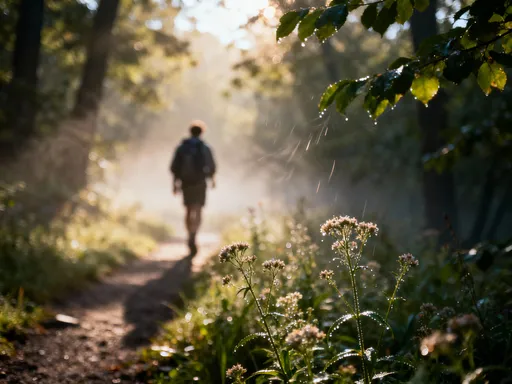
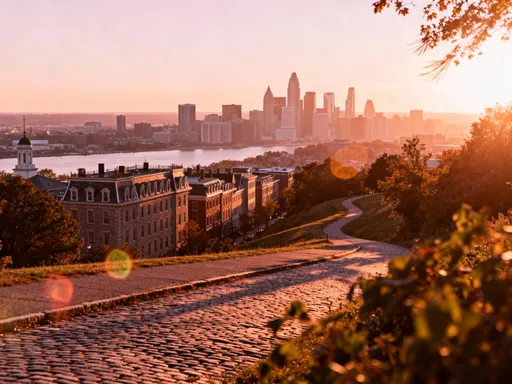
Ever thought of wandering through wildflower meadows just minutes from downtown? I stumbled upon Montreal’s secret natural escapes and was blown away. From hidden forest trails to riverside parks most tourists miss, this city’s green spaces are more than just pretty—they’re transformative. Let me take you on a journey through its best-kept outdoor secrets. Montreal, often celebrated for its European charm and vibrant culture, quietly holds another identity: a city cradled by nature. Within its urban fabric lie forests, wetlands, and meadows that offer not just beauty but balance. These spaces serve as sanctuaries for both wildlife and weary city dwellers, proving that urban life and wild serenity can coexist. In a world where concrete often dominates, Montreal stands apart with over 1,800 hectares of protected green space accessible to all. This is not merely landscaping—it’s a commitment to well-being, sustainability, and connection. As we explore these hidden corners, you’ll discover how a simple walk in the woods can reset your mood, sharpen your focus, and rekindle a sense of wonder—all without leaving city limits.
The Urban Escape: Why Nature Matters in a Busy City
In the rhythm of daily life—school drop-offs, grocery runs, work meetings—moments of stillness can feel like luxuries. Yet research consistently shows that access to green spaces improves mental clarity, reduces stress, and enhances overall quality of life. Montreal, one of North America’s most densely populated cities, has long recognized this truth. Its integration of nature into urban planning isn’t accidental; it’s intentional and deeply rooted in public health and environmental stewardship. The city’s parks and natural reserves aren’t afterthoughts—they’re central to its identity. With more than 450 parks and over 300 kilometers of bike paths, Montreal offers residents an extraordinary gift: the ability to transition from bustling streets to quiet woodlands in under 20 minutes.
Studies conducted by McGill University and the Public Health Department of Montreal have shown that people who live within a 10-minute walk of a park report higher levels of physical activity and emotional well-being. This is especially significant for women aged 30 to 55, who often juggle multiple roles—caregiver, professional, partner—and may have limited time for self-care. A short walk through a leafy trail or a quiet sit by a pond can act as a reset button, lowering cortisol levels and improving mood. These benefits aren’t just personal—they ripple outward, strengthening families and communities.
What makes Montreal unique is its geographical blessing. Surrounded by the St. Lawrence River and the Ottawa River, and crowned by Mount Royal at its heart, the city is naturally inclined toward green integration. Unlike many metropolises that expand outward at the expense of greenbelts, Montreal has preserved and even expanded its natural corridors. Initiatives like the Verdun Nature Network and the Green Axis Project aim to connect fragmented habitats and improve accessibility for all citizens, regardless of neighborhood. This commitment ensures that nature isn’t reserved for the privileged few but remains a shared resource, equally available to a grandmother in Outremont and a young mother in Lachine.
Mount Royal: More Than Just a Park
No discussion of Montreal’s green spaces would be complete without Mount Royal, the city’s crown jewel. Designed by Frederick Law Olmsted—the visionary behind New York’s Central Park—this 200-hectare park is far more than a scenic overlook. It is a living, breathing ecosystem that changes with the seasons and invites exploration year-round. In spring, trilliums and bloodroot bloom along shaded trails. Summer brings dense canopy cover, perfect for shaded walks and birdwatching. Autumn transforms the hill into a tapestry of red, gold, and amber, drawing photographers and families alike. Even in winter, the mountain thrives, with cross-country skiing, snowshoeing, and sledding drawing crowds to its slopes.
While many visitors head straight to the iconic Chalet du Mont-Royal or the popular Camillien-Houde Way for panoramic views, few venture into the quieter corners where solitude and wildlife await. The Kondiaronk Belvedere, perched on the southern slope, offers sweeping views of the city skyline without the usual foot traffic. Nearby, the Smith Playground meadow—a hidden grassy expanse—becomes a haven for children’s laughter in summer and a peaceful retreat for picnics under the trees. For those seeking deeper immersion, the Ornithological Path winds through mixed hardwood forests, where barred owls call at dusk and pileated woodpeckers drum on dead trunks.
Planning your visit wisely enhances the experience. Early mornings on weekdays are ideal for avoiding crowds, especially during peak foliage or weekend festivals. Parking can be limited, so consider taking the bus (routes 11, 24, or 165) or biking up the service road from Jean-Talon Street. Trails vary in difficulty: the Ladder Trail is steep and narrow, best suited for experienced hikers, while the Crémazie Boulevard Path offers a gentle, paved route suitable for strollers and wheelchairs. Regardless of your path, take time to pause—sit on a bench, breathe deeply, and let the forest sounds replace the city’s hum.
The Lachine Rapids and Canal Path: Where Water Meets Wilderness
Stretching 14 kilometers from downtown to Lake Saint-Louis, the Lachine Canal is a masterpiece of urban renewal. Once a vital industrial waterway lined with factories and grain elevators, it has been reborn as a vibrant corridor for recreation and wildlife. Today, its towpaths welcome cyclists, joggers, and dog walkers, while the waters below teem with life. The Lachine Rapids, located at the canal’s western end, are among the last natural rapids on the St. Lawrence River and a hotspot for ecological diversity. Here, the rushing water creates oxygen-rich zones that support fish species like smallmouth bass and northern pike, which in turn attract herons, kingfishers, and even the occasional osprey.
The canal’s path is fully paved and family-friendly, making it ideal for leisurely rides or evening strolls. Along the way, interpretive signs tell the story of the canal’s 19th-century origins and its transformation in the 21st century. Kayaking and paddleboarding have become increasingly popular, with rental stations available near Atwater Market and the Canal Brewing Company. Paddling at dawn offers a magical experience—mist rising off the water, beavers slipping into the reeds, and the distant call of a red-winged blackbird. For birdwatchers, the area is a certified Important Bird Area, hosting over 200 species annually, including migrating warblers and ducks.
What makes this stretch truly special is the contrast it presents: the rusted silos and brick warehouses stand as silent witnesses to the past, while native plants like joe-pye weed and cardinal flower reclaim the banks. This blend of history and ecology reminds us that nature doesn’t need to erase the human footprint—it can thrive alongside it. The city’s ongoing efforts to restore riparian zones and reduce pollution have paid off, with water quality improving steadily since the 2002 reopening of the canal. As you cycle or walk, notice the bioswales and rain gardens designed to filter runoff—small but powerful examples of sustainable urban design.
Jean-Drapeau Park: An Island Oasis of Biodiversity
Situated on Île Notre-Dame, Jean-Drapeau Park is a testament to nature’s resilience. Built for Expo 67, the island was once a constructed landscape of pavilions and parking lots. Today, it has evolved into one of Montreal’s most ecologically diverse areas. The park spans over 80 hectares and includes meadows, wetlands, and groves of silver maple and white pine. Its transformation began in the 1990s with the creation of the Natural Environment Sector, a protected zone where native plants were reintroduced and invasive species removed. Now, it serves as a sanctuary for pollinators, amphibians, and migratory birds.
One of the park’s highlights is the Cap-Saint-Jacques Nature Park extension, which connects to a larger network of green spaces along the western tip of the island. Here, walking loops meander through tallgrass prairies where monarch butterflies feed on milkweed and bobolinks sing from the treetops. In late summer, the air hums with bees and dragonflies, while painted turtles bask on sun-warmed rocks near the shore. Picnic areas with fire pits and shelters make this a favorite for family outings, especially in early fall when the light slants golden across the fields.
Visitors can explore on foot or by bike, with clearly marked trails that respect wildlife habitats. The Floralies Garden, a remnant of the Expo era, now features seasonal displays of dahlias, lilies, and ornamental grasses. But it’s the quieter zones—the reed beds and forest edges—that offer the most profound experiences. Early risers might spot a white-tailed deer stepping cautiously from the underbrush or hear the low croak of a green frog. The park also hosts guided nature walks and educational programs, particularly during spring and summer, offering opportunities to learn about local ecology from trained naturalists.
The Anse-à-l'Orme Nature Park: A Hidden Gem in the West
Tucked away in the Pierrefonds-Roxboro borough, Anse-à-l'Orme Nature Park is a true hidden gem. Spanning 75 hectares, this reserve protects one of the last remaining examples of a Carolinian forest in the Montreal region—a rare ecosystem characterized by rich biodiversity and species like tulip trees and eastern redbud. Unlike more developed parks, Anse-à-l'Orme feels remote and untouched, with gravel trails winding through dense woods, open meadows, and cattail-filled wetlands. Boardwalks cross marshy areas, allowing visitors to observe frogs, salamanders, and aquatic insects up close without disturbing the habitat.
Wildlife sightings are common here. White-tailed deer graze at dawn and dusk, red foxes dart between trees, and over 150 bird species have been recorded, including the elusive barred owl and the vibrant scarlet tanager. Migrating waterfowl stop here during spring and fall, turning the ponds into temporary avian hubs. The park’s lack of artificial lighting and minimal development make it an excellent spot for quiet reflection and nature journaling. Families appreciate the open spaces for children to explore safely, while dog walkers enjoy the leash-friendly trails that encourage slow, mindful movement.
Accessibility has improved in recent years. While car parking is available, public transit options include the 445 bus, which stops near the park’s entrance. The city has also introduced free shuttle services during peak seasons to reduce congestion and carbon emissions. Trail conditions are well-maintained, with signage in French and English explaining the ecological significance of each zone. Because the park is less frequented than Mount Royal or Jean-Drapeau, it offers a rare sense of solitude—a place to breathe deeply, listen to the wind in the leaves, and feel truly unplugged from the digital world.
Sustainable Wandering: How to Explore Responsibly
As more people seek solace in nature, it becomes increasingly important to visit these spaces with care. The principle of Leave No Trace is not just for wilderness expeditions—it applies equally to urban natural areas. Simple actions can make a big difference: packing out all trash, staying on marked trails to prevent soil erosion, and avoiding loud noises that disturb wildlife. Feeding animals, even with good intentions, can disrupt their natural foraging behaviors and lead to dependency. Instead, observe quietly from a distance and let nature unfold on its own terms.
Bringing reusable water bottles, snack containers, and cloth bags reduces plastic waste and sets a positive example for children. Choosing non-toxic sunscreen and insect repellent helps protect water quality in nearby streams and ponds. When photographing wildlife, use zoom lenses rather than approaching too closely—especially during nesting or birthing seasons. Teaching children to respect boundaries fosters a lifelong ethic of environmental stewardship.
Supporting local conservation efforts is another powerful way to give back. Organizations like Les Amis de la Montagne and Accès Nature rely on volunteers and donations to maintain trails, plant native species, and monitor wildlife populations. Participating in a cleanup day or donating a few dollars online may seem small, but collectively, these acts sustain the very spaces we cherish. By treating nature not as a commodity but as a shared home, we ensure that future generations can also wander freely through wildflower meadows just minutes from downtown.
Planning Your Own Natural Escape: Tools and Timing
Creating your own nature outing in Montreal is easier than you might think. Start by choosing a season that matches your interests: spring for bird migrations and wildflowers, summer for swimming and picnics, autumn for foliage walks, and winter for snowshoeing and ice skating. Early mornings and weekdays are generally less crowded, offering a more peaceful experience. For families, weekend afternoons can be fun with proper planning—arriving early ensures good parking and picnic spots.
Useful tools include the Parcs Canada app and the city’s official Montreal Green Spaces Map, which show trail conditions, restroom locations, and accessibility features. The AllTrails app provides user-generated reviews and photos, helping you choose routes based on difficulty and scenery. Real-time updates on air quality and pollen counts—available through Environment Canada’s website—are especially helpful for those with allergies or respiratory concerns.
Consider combining two nearby zones for a half-day adventure. For example, begin with a morning walk through Mount Royal’s quieter eastern trails, then cycle down to the Lachine Canal for lunch at Atwater Market. Afterward, paddle a kayak or stroll along the water before heading home. Alternatively, spend a full day at Jean-Drapeau Park, packing a picnic and visiting both the floral gardens and the natural meadows. These mini-adventures don’t require vacation time or expensive gear—just curiosity and a willingness to step off the usual path.
Reconnecting Through Wandering
Montreal teaches us that nature need not be distant to be transformative. Its wild spaces—whether a forested hill, a riverside trail, or a reclaimed island—offer more than recreation; they offer renewal. In a society that often measures value by speed and productivity, these quiet corners remind us to slow down, to notice, to simply be. For women managing the complexities of modern life, these moments are not indulgences—they are necessities.
The city’s success lies in its balance: honoring history while embracing ecology, supporting urban growth while protecting green lungs. It stands as a model for other cities striving to integrate nature into daily life. But the real magic happens not in policy documents or park maps—it happens in the individual moment when someone pauses on a trail, hears a woodpecker drumming, and feels, just for a second, completely at peace.
Adventure doesn’t require a passport or a packed suitcase. Sometimes, it begins with a ten-minute walk to the nearest trailhead. So lace up your shoes, grab a water bottle, and let curiosity lead you. Montreal’s wild side is waiting—not far away, but close to home. And in that rediscovery of nearby nature, we may just rediscover ourselves.