Tokyo’s Beating Heart: Where Commerce Meets Culture in Every Corner
Walking through Tokyo’s commercial districts feels like stepping into a living circuit board—pulsing with energy, light, and endless discovery. From the neon roar of Shibuya to the quiet luxury of Ginza, each area tells a story of innovation and tradition colliding. I’ve wandered these streets countless times, and every visit reveals something new. This isn’t just shopping—it’s sensory immersion, a dance between the ultra-modern and the deeply rooted. The rhythm of footsteps on subway grates, the soft chime of department store elevators, the scent of freshly baked melon pan drifting from a side alley—these details compose a city that never stops moving, yet always honors its past. Tokyo’s commercial zones are not merely places to buy, but spaces where culture breathes, evolves, and invites participation.
The Pulse of Tokyo: Understanding Its Commercial Soul
Tokyo’s commercial districts are far more than clusters of stores and restaurants—they are living chronicles of Japan’s postwar rebirth, economic ambition, and cultural resilience. Unlike cities where commerce is centralized in a single downtown, Tokyo spreads its commercial energy across a constellation of distinct neighborhoods, each with its own identity, rhythm, and role in the urban ecosystem. These districts did not emerge overnight. They evolved from modest marketplaces and transportation hubs into global benchmarks of urban vitality. Areas like Shinjuku, Shibuya, and Ikebukuro began as railway termini, drawing commuters and traders who created informal economies that gradually formalized into the towering malls and underground networks seen today.
The city’s economic heartbeat is measured not only in GDP but in foot traffic, store turnover, and the speed at which trends emerge and fade. Tokyo consistently ranks among the top cities globally for retail sales, with its commercial districts serving as both economic engines and cultural laboratories. What sets these zones apart is their layered complexity: beneath the glossy façades of flagship stores lie narrow alleyways filled with decades-old ramen stalls, family-run kimono shops, and tiny electronics repair booths. This coexistence of the old and the new, the mass-market and the artisanal, reflects Tokyo’s ability to innovate without erasing its heritage.
Understanding Tokyo’s commercial soul requires recognizing that shopping here is not a transactional act but a form of engagement. Whether it’s browsing handcrafted washi paper in a Ginza boutique or queuing for a limited-edition sneaker drop in Harajuku, consumers are participating in a broader cultural narrative. The city’s layout, built around train stations rather than city centers, reinforces this decentralized yet interconnected model. Each district functions like a self-contained world, complete with its own skyline, cuisine, fashion, and social energy. This structure allows for diversity and specialization, enabling areas like Akihabara to become global icons of tech culture while preserving the quiet refinement of neighborhoods like Yanaka.
Moreover, Tokyo’s commercial districts are shaped by social rituals as much as economic forces. The morning rush to department stores for discounted bento boxes, the evening stroll through illuminated arcades, the seasonal sale events that draw crowds from across the country—these routines give rhythm to daily life. Even the design of spaces reflects cultural values: meticulous cleanliness, intuitive signage, and an emphasis on customer comfort demonstrate a deep respect for the public experience. In Tokyo, commerce is not just about selling; it is about creating environments where people feel seen, respected, and inspired.
Shibuya: Youth Culture and Urban Energy
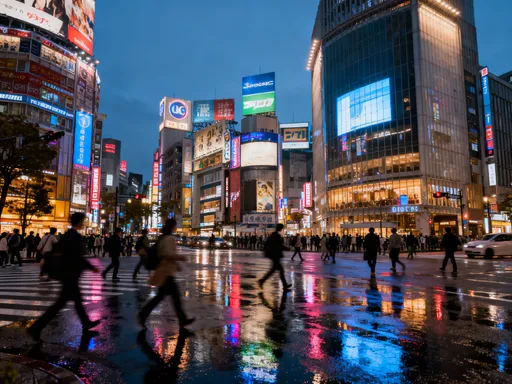
If Tokyo has a youth capital, it is Shibuya—a district that pulses with the energy of a city constantly reinventing itself. At its core lies the famous scramble crossing, where thousands of pedestrians converge from all directions in a choreographed rush that has become a global symbol of urban dynamism. This intersection is more than a traffic phenomenon; it is a stage where fashion, technology, and social interaction collide in real time. Every day, Shibuya serves as a living laboratory for trends that will soon spread across Japan and beyond. From streetwear brands launching pop-ups to digital billboards responding to crowd movements, the district thrives on immediacy and innovation.
The 109 Building, with its bold red lettering and rotating roster of youth-oriented fashion labels, stands as a temple of teen style. Inside, floors are dedicated to specific aesthetics—Lolita, gyaru, genderless fashion—each reflecting subcultures that have emerged from Tokyo’s vibrant street scene. But Shibuya’s influence extends beyond clothing. It is a hub for music, dance, and digital expression, where smartphone culture meets physical space. Interactive stores, such as those featuring augmented reality mirrors or AI-powered styling assistants, blur the line between shopping and entertainment. Even vending machines here feel futuristic, offering everything from personalized skincare to freshly brewed coffee in recyclable cups.
For visitors, navigating Shibuya requires a balance of spontaneity and strategy. The best time to experience its full energy is late afternoon to early evening, when students, office workers, and tourists converge. Weekends bring even greater density, with foot traffic exceeding 500,000 people daily in peak seasons. To avoid feeling overwhelmed, start at the Hachiko exit, where the loyal dog statue serves as a timeless meeting point. From there, explore the side streets behind Center Gai, where independent boutiques, vintage shops, and underground music venues offer a more intimate side of Shibuya’s culture. These hidden corners reveal a different kind of commerce—one driven by passion rather than mass appeal.
Shibuya’s commercial density is staggering, with over 20 major retail buildings within a one-kilometer radius. Yet, despite the crowds, the district maintains an orderly flow. Clear signage, efficient public transport connections, and a culture of pedestrian awareness ensure that movement remains smooth. Underground passageways link train platforms to malls, restaurants, and even art galleries, creating a seamless network that functions like a second layer of the city. For families, Shibuya offers accessible options too—family-friendly cafes, bookstores with children’s corners, and open plazas where parents can rest while kids play. It is a district that welcomes all ages, even as it remains firmly rooted in youth expression.
Shinjuku: Contrast in Motion
Shinjuku embodies the duality of modern Tokyo—where corporate power meets underground culture, and serenity exists just steps from sensory overload. As one of the city’s busiest transportation hubs, it handles over three million passengers daily, making it the most used railway station in the world. This constant flow of people fuels a commercial landscape of staggering scale and variety. On one side of the station, the east exit opens into Nishi-Shinjuku, a skyline of glass-and-steel towers housing multinational corporations and luxury hotels. On the west, the bustling shopping arcades and department stores cater to a broad spectrum of consumers, from business travelers to local families.
Takashimaya and Isetan, two of Japan’s most prestigious department stores, anchor Shinjuku’s retail identity. These multi-story emporiums offer everything from high-end cosmetics to seasonal food halls featuring regional specialties. The basement levels, known as depachika, are culinary wonderlands where beautifully packaged sweets, fresh seafood, and ready-to-eat meals are displayed like art. Shopping here is an experience in precision and service—attendants bow deeply, gift wrapping is an art form, and product knowledge is encyclopedic. Yet, just a short walk away, the atmosphere shifts dramatically in Kabukicho, Tokyo’s largest entertainment district. Neon signs in multiple languages advertise restaurants, karaoke boxes, and host clubs, creating a vivid, if intense, nightscape.
For visitors, understanding Shinjuku’s geography is key to navigating its contrasts. The east and west exits serve different purposes: the east is ideal for business travelers and those heading to the government district, while the west offers easier access to shopping and dining. To avoid the morning and evening rush hours, when commuter crowds peak, plan visits between 10 a.m. and 3 p.m. Another essential tip is to use the underground mall network, which connects major stores and shelters pedestrians from rain or heat. This subterranean world, with its own restaurants, fashion outlets, and convenience stores, operates like a parallel city beneath the streets.
Amid the urban intensity, Shinjuku offers unexpected oases of calm. Shinjuku Gyoen National Garden, just a 15-minute walk from the station, is a sprawling green retreat featuring Japanese, English, and French-style landscapes. Cherry blossoms in spring and autumn foliage draw thousands, but even on ordinary days, the garden provides a peaceful counterpoint to the city’s pace. Families picnic on the lawns, couples stroll through bamboo groves, and office workers find quiet benches beneath maple trees. This balance of energy and tranquility defines Shinjuku’s character—its ability to accommodate both the fast and the slow, the loud and the quiet.
Ginza: Luxury with Precision
Ginza stands as Tokyo’s most refined commercial district, a place where elegance and precision converge in every detail. Known for its wide boulevards, art galleries, and flagship stores, Ginza has long been associated with affluence and taste. On weekends, the main avenue, Chuo-dori, closes to traffic, transforming into a pedestrian promenade where locals and visitors stroll under the shade of ginkgo trees. This ritual, known as “Ginza walk,” reflects the district’s emphasis on leisure and aesthetics. Unlike the frenetic energy of Shibuya or Shinjuku, Ginza moves at a measured pace, where window shopping is not a prelude to buying but an art form in itself.
The district is home to some of the world’s most iconic retail spaces. Wako, with its historic clock tower, has been a Ginza landmark since 1932, offering luxury watches and fine jewelry. Nearby, Uniqlo’s global flagship store spans ten floors, showcasing not just apparel but innovations in fabric technology and sustainable design. Department stores like Mitsukoshi and Matsuya host seasonal exhibitions, from traditional tea ceremonies to contemporary art installations, blurring the line between commerce and culture. Even the food halls in these stores are destinations—offering exquisitely crafted sweets, imported cheeses, and premium rice crackers in packaging that rivals fine art.
What makes Ginza unique is its commitment to craftsmanship and limited-edition releases. Many brands debut exclusive products here, knowing that Ginza’s discerning clientele values rarity and quality over mass appeal. A limited-run sake set, a hand-stitched leather wallet, or a seasonal mochi flavor might only be available for a few days, creating a sense of urgency and exclusivity. For visitors, the best time to experience this culture is on weekday mornings, when the crowds are thinner and the atmosphere more contemplative. Staff are attentive but never pushy, and the shopping experience feels more like a curated journey than a sales pitch.
Ginza’s appeal extends beyond retail. Its side streets house intimate tea houses, jazz clubs, and private dining rooms where multi-course kaiseki meals are served with ritualistic care. These spaces cater to an older, more established clientele, yet they remain accessible to curious travelers who respect the customs. Dress codes may be more formal, and reservations often required, but the experience offers a rare glimpse into Tokyo’s elite social culture. In Ginza, commerce is not just about consumption—it is about participation in a tradition of excellence.
Akihabara: Where Tech and Pop Culture Collide
Akihabara, often called “Akiba” by locals, is a district where technology and pop culture merge into a vibrant, sometimes overwhelming, sensory experience. Once known primarily as an electronics market, it has transformed into a global destination for anime, manga, and gaming enthusiasts. Towering buildings with animated facades advertise the latest consoles, while themed cafes celebrate beloved characters from franchises that have shaped generations. Yet Akihabara is not just for fans—it is a living archive of Japan’s digital evolution, where retro gaming arcades sit beside cutting-edge robotics stores.
The district’s multi-floor specialty shops are a paradise for collectors. Stores like Super Potato offer vintage game cartridges and consoles from the 1980s and 90s, while Animate stocks the latest manga volumes, figurines, and limited-edition soundtracks. These shops are organized with military precision—products categorized by series, character, and release date, making it easy to dive deep into niche interests. For those less familiar with otaku culture, guided tours and multilingual staff help bridge the gap, ensuring that even first-time visitors can navigate the offerings without feeling lost.
Maid cafes, one of Akihabara’s most distinctive features, offer a unique blend of service and performance. In these establishments, staff dressed in Victorian-style maid outfits greet guests with playful phrases and serve themed desserts with theatrical flair. While often misunderstood from afar, these cafes are rooted in the Japanese concept of omotenashi, or wholehearted hospitality. They provide a space for social connection, especially for those who may feel isolated in daily life. Visitors are expected to respect the atmosphere—no inappropriate behavior, photography without permission, or attempts to extend interactions beyond the service. Tipping is not customary, and payment is made at the counter upon entry.
For families and casual tourists, Akihabara offers accessible entry points too. The Akihabara Radio Kaikan building features toy stores and hobby shops with English signage, while the Yodobashi Camera store includes a rooftop garden and children’s play area. The district’s train station has clear signage and multilingual maps, making navigation easier than it once was. Despite its reputation for niche interests, Akihabara reflects a broader truth about Tokyo’s commercial culture: that specialization and passion can coexist with inclusivity and innovation.
Ikebukuro and Odaiba: Hidden Giants of Urban Commerce
While Shibuya and Shinjuku often dominate travel guides, Ikebukuro and Odaiba represent two of Tokyo’s most underrated commercial powerhouses. Ikebukuro, located in the northwest of the city, is anchored by massive department stores like Seibu and Tobu, each housing dozens of floors of retail, dining, and entertainment. The district has a strong family-friendly appeal, with toy stores, bookshops, and cinemas that cater to all ages. Sunshine City, a sprawling complex centered around a 60-story tower, includes an aquarium, planetarium, and indoor theme park—making it a go-to destination for weekend outings. Unlike the trend-driven energy of Shibuya, Ikebukuro feels more grounded, with a focus on practicality and comfort.
Odaiba, built on reclaimed land in Tokyo Bay, offers a completely different rhythm. Connected by the Yurikamome automated transit line, this futuristic district feels like a city within a city. Its shopping malls—such as Aqua City, Decks Tokyo Beach, and VenusFort—are designed as immersive environments, blending retail with entertainment and scenic views. VenusFort, styled after a European cathedral, hosts fashion boutiques and food courts under a simulated sky that changes from dawn to dusk. The teamLab Borderless digital art museum, though recently relocated, set a precedent for experiential spaces where art and commerce intersect.
What makes Odaiba special is its emphasis on leisure and open space. Unlike the dense urban fabric of central Tokyo, Odaiba features wide promenades, seaside parks, and panoramic views of the Rainbow Bridge. Families picnic on the beach, cyclists ride along the bay, and couples take evening strolls under the glow of city lights. The retail here feels less urgent, more integrated into a lifestyle of relaxation and discovery. Stores often feature interactive displays, workshops, and seasonal events that encourage participation over passive consumption.
Both Ikebukuro and Odaiba benefit from excellent transport links, making them accessible for day trips or extended visits. They represent a different model of urban commerce—one that prioritizes space, comfort, and long-term engagement over sheer density. For travelers seeking a break from the intensity of central Tokyo, these districts offer a refreshing alternative without sacrificing variety or quality.
Beyond the Mall: Street Markets, Underground Arcades, and Local Flavor
While Tokyo’s department stores and mega-malls capture global attention, the city’s true commercial soul often lies in its less polished, more human-scale spaces. Street markets like Ameyoko, stretching beneath the JR Yamanote Line in Ueno, pulse with raw energy and authenticity. Originally a black market after World War II, Ameyoko has evolved into a bustling bazaar where vendors sell everything from dried seafood and spices to counterfeit sunglasses and vintage clothing. The air is thick with the scent of grilling yakitori and sweet taiyaki, and bargaining is part of the experience. Unlike the hushed tones of Ginza, Ameyoko is loud, lively, and unapologetically real.
Similarly, Nakamise-dori, the approach to Senso-ji Temple in Asakusa, offers a more traditional retail experience. This covered walkway is lined with shops selling handmade fans, kimonos, and regional snacks like ningyo-yaki and kaminari-okoshi. The rhythm here is slower, shaped by temple visitors and seasonal festivals. Children clutch paper lanterns, elders sip matcha, and tourists marvel at the craftsmanship on display. These spaces preserve a pre-modern commercial culture—one based on personal relationships, seasonal rhythms, and tangible craftsmanship.
Underground arcades, known as shitamachi, connect stations across Tokyo and serve as vital arteries of daily commerce. In districts like Kanda and Akihabara, these passageways house tiny restaurants, bookstores, and specialty shops that have operated for decades. They offer shelter from the elements and a sense of continuity in a rapidly changing city. For locals, these arcades are not tourist attractions but essential parts of life—places to grab lunch, buy stationery, or pick up a last-minute gift.
What unites these spaces is their emphasis on human connection. In a city often associated with efficiency and technology, these markets and alleys remind visitors that commerce is ultimately about people. The vendor who remembers your order, the shopkeeper who explains the history of a craft, the shared smile over a spilled drink—these moments create the emotional texture of Tokyo’s commercial life. They are not designed for Instagram, but they are infinitely more memorable.
Conclusion: Tokyo’s Commercial Landscape as a Living Experience
Tokyo’s commercial districts are not static destinations but living, breathing expressions of a culture in motion. They reflect the city’s ability to honor tradition while embracing change, to balance efficiency with beauty, and to turn everyday acts like shopping into meaningful experiences. Each neighborhood—whether the neon-lit streets of Shibuya, the refined avenues of Ginza, or the bustling alleys of Ameyoko—offers a different chapter in Tokyo’s ongoing story. To walk through these spaces is not just to observe, but to participate in a rhythm that is both uniquely Japanese and universally human.
For travelers, especially those navigating life’s transitions—raising children, caring for aging parents, or seeking moments of joy in routine—Tokyo’s commercial zones offer more than products. They offer connection, inspiration, and a reminder that cities can be both efficient and soulful. The careful packaging of a gift, the warmth of a street vendor’s greeting, the quiet pride of a craftsman arranging his wares—these details speak to values that resonate across generations and borders.
As you plan your journey, remember that the goal is not to see everything, but to feel the pulse of the city. Let yourself get lost in an underground arcade, pause to watch a seasonal display in a department store window, or accept a sample of freshly brewed tea from a kind shopkeeper. These are the moments that stay with you long after the souvenirs are unpacked. Tokyo doesn’t just sell products—it sells moments of clarity, beauty, and belonging. And in a world that often feels fragmented, that is perhaps its most valuable offering.