What Nobody Tells You About Denver’s Festival Scene
You know that hype around Denver’s festivals? The lights, the music, the crowds—it looks perfect on Instagram. But after hitting three major events last summer, I learned the hard way: what they don’t tell you matters more than the brochure. From surprise fees to overcrowded venues, the reality can sting. This isn’t a hate piece—I love the energy—but if you’re planning to dive in, you gotta know the truth first. Let’s talk about what really goes down.
The Allure of Denver’s Festival Culture
Denver’s festival scene pulses with a unique rhythm, shaped by its high-altitude energy and creative spirit. Nestled against the dramatic silhouette of the Rocky Mountains, the city transforms every season into a celebration of music, food, art, and community. From the vibrant murals that spring to life during the underground art walks to the intoxicating aromas wafting from gourmet food trucks at summer gatherings, the sensory experience is undeniable. Annual events like Denver PrideFest, the Great American Beer Festival, and the Underground Music Showcase draw tens of thousands, each offering a different flavor of what makes the Mile High City special. These festivals promise more than entertainment—they promise connection, a sense of belonging, and a taste of authentic local culture.
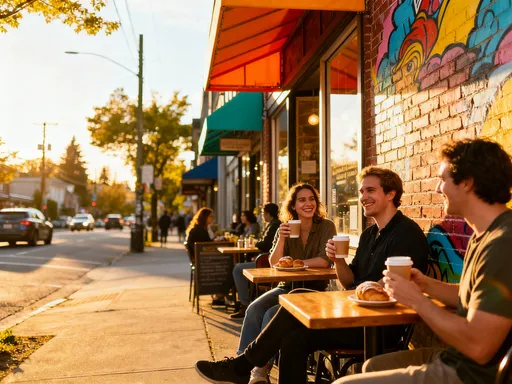
What sets Denver apart is the diversity of its celebrations. Whether you’re drawn to craft beer tastings in spacious convention centers or intimate live music performances tucked into RiNo alleyways, there’s a festival tailored to nearly every interest. The city’s cultural mosaic shines through events like the Five Points Jazz Festival, which honors the neighborhood’s historic musical legacy, and the Santa Fe Drive Art Rally, where local galleries open their doors to the public. Families, young professionals, retirees—everyone finds a place in the festival fold. The atmosphere is often electric, with laughter echoing through crowded plazas and spontaneous dance breaking out under string lights. It’s easy to see why so many are enchanted by the idea of festival life in Denver.
Yet beneath the surface of this vibrant scene lies a growing tension between accessibility and authenticity. As these events gain national attention, they attract not only passionate locals but also large waves of out-of-town visitors. This surge in popularity brings undeniable benefits—increased funding, broader exposure for artists, and a boost to the local economy. But it also introduces challenges that can quietly erode the very qualities that made the festivals special in the first place. The charm of a grassroots gathering can fade when overshadowed by commercial branding or overwhelmed by crowds. Understanding this duality is essential for anyone hoping to truly enjoy what Denver has to offer.
Pitfall #1: Overcrowding and Accessibility Nightmares
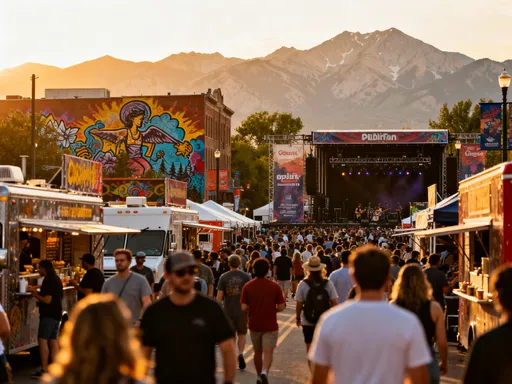
One of the most immediate and often underestimated challenges of attending Denver’s major festivals is the sheer volume of people. What begins as an exciting buzz can quickly turn into a logistical headache when sidewalks clog, entry lines stretch for blocks, and once-open public spaces feel claustrophobic. Civic Center Park during Denver PrideFest, for example, regularly sees attendance exceed 300,000 over a single weekend. While impressive, such numbers strain infrastructure, making simple tasks like finding a restroom or grabbing a drink unexpectedly difficult. Cell service often becomes unreliable due to network congestion, leaving attendees disconnected when they need information most.
Transportation becomes another critical issue. Popular districts like RiNo and LoDo experience significant traffic delays during peak festival hours. Parking is scarce and expensive, with many garages filling up by mid-morning. Ride-sharing services face high demand, leading to long wait times and surge pricing. Even public transit, while generally reliable, can become overcrowded during major events. The RTD light rail system does extend service during large festivals, but trains arriving at downtown stations during peak entry times are often at full capacity, leaving latecomers stranded on platforms.
Accessibility is not just a matter of convenience—it’s a safety concern. In tightly packed environments, emergency response times can slow, and individuals with mobility challenges may find it difficult to navigate uneven terrain or crowded pathways. Some festival zones lack adequate shaded areas or seating, which can be especially problematic during Denver’s intense summer sun. First-time attendees often underestimate how physically taxing a full day in such conditions can be. Heat exhaustion, dehydration, and fatigue are real risks, particularly for older adults or those unaccustomed to the city’s 5,280-foot elevation.
To mitigate these challenges, strategic planning is essential. Arriving early—ideally before 10 a.m.—can make a dramatic difference in crowd levels and parking availability. Utilizing bike-sharing programs like BCycle offers a flexible alternative, with numerous docking stations located near festival hubs. The RTD’s regional transit network, including buses and light rail, remains one of the most efficient ways to avoid traffic and parking fees. For those attending multi-day events, consider spreading visits across different days or opting for weekday attendance when crowds are lighter. These small adjustments can transform a stressful experience into a manageable and even enjoyable outing.
Pitfall #2: Hidden Costs That Add Up Fast
At first glance, many Denver festivals appear budget-friendly. Ticket prices for events like the Cherry Creek Arts Festival or the Underground Music Showcase often range from free to under $20, creating the impression of an affordable day out. But this initial cost is just the beginning. Once inside, attendees quickly encounter a cascade of additional expenses that can turn a modest outing into an unexpectedly costly day. Food trucks, while delicious, typically charge $12–$18 for a single entrée. Specialty drinks, including craft cocktails and local brews, often cost $10 or more. And while festival merchandise may seem like a fun souvenir, a single T-shirt or hat can easily run $30–$40.
A realistic cost breakdown illustrates the financial reality. For a family of four attending a full-day festival, admission might total $60. Add four meals at $15 each: $60. Four non-alcoholic drinks at $5 each: $20. Two adult beverages: $25. Parking or ride-share fees: $20. A single souvenir: $35. Before any unexpected extras, the total reaches $220—nearly $60 per person. And this doesn’t include optional expenses like shaded seating rentals, VIP passes, or donation-based activities. For many middle-income families, this represents a significant portion of a weekly entertainment budget.
The shift toward cashless payment systems at major festivals adds another layer of financial pressure. While convenient for organizers, the lack of ATMs on-site means attendees must rely on cards or mobile payments. This can lead to overspending, as digital transactions feel less tangible than handing over cash. Without a preset budget, it’s easy to lose track of spending. Additionally, some vendors do not offer discounts for bulk purchases or family packages, missing an opportunity to make experiences more accessible.
Smart financial preparation can help maintain control. Setting a per-person spending limit before arrival is a practical first step. Using a dedicated festival debit card with a preloaded amount prevents overspending. Bringing refillable water bottles—where permitted—saves money and supports hydration, especially important at high elevation. Packing small snacks like granola bars or fruit can reduce reliance on overpriced food vendors, particularly during peak lunch hours. Some festivals allow picnics in designated areas, making this an even more viable option. By planning ahead, attendees can enjoy the experience without the post-event financial regret.
Pitfall #3: Local Flavor Lost in Commercialization
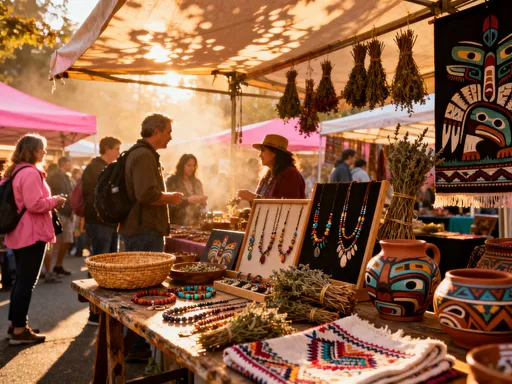
As Denver’s festivals grow in scale, a subtle but significant shift has occurred: the gradual displacement of local voices by national brands and corporate sponsors. Walk through the vendor rows at a major event, and you’ll often find familiar chain logos nestled among booths, while independent artisans are relegated to less visible corners. While sponsorship helps fund production costs and keeps ticket prices lower, it can also dilute the authenticity that once defined these gatherings. The unique character of a neighborhood-driven festival risks being replaced by a generic, one-size-fits-all experience that could happen in any mid-sized American city.
Observations from recent events highlight this trend. At the Great American Beer Festival, once a showcase for Colorado’s craft brewing pioneers, national distributors now dominate the main halls. Smaller, experimental brewers from rural towns or lesser-known cities often struggle for space and visibility. Similarly, music lineups at large festivals increasingly prioritize well-known touring acts over homegrown talent, reducing opportunities for local musicians to gain exposure. Even food vendors, once a platform for immigrant-owned businesses and family recipes, now compete with pre-packaged national brands that offer consistency but lack soul.
This commercialization isn’t just about aesthetics—it affects the economic ecosystem of the city. When profits flow primarily to out-of-state corporations rather than local entrepreneurs, the community sees fewer long-term benefits. The money spent at a festival should ideally recirculate within the local economy, supporting small businesses, artists, and service providers. But when vendor fees rise and space is allocated based on sponsorship deals rather than artistic merit, that cycle breaks down. The result is a festival that looks vibrant but feels hollow, a spectacle that celebrates consumption more than culture.
Fortunately, alternatives exist. Neighborhood-led events like the Five Points Jazz Festival and the Santa Fe Drive Art Rally continue to prioritize local participation. These gatherings often feature lower attendance, more intimate performances, and a stronger sense of community ownership. They may not have the same production value as their larger counterparts, but they offer something more valuable: authenticity. By choosing to support these smaller festivals, attendees help preserve Denver’s cultural identity and ensure that future generations inherit a festival scene rooted in local creativity rather than corporate influence.
Choosing the Right Festival: A Strategic Approach
With dozens of festivals occurring throughout the year, selecting the right one requires thoughtful consideration. Not every event will suit every visitor, and personal preferences should guide the decision. Start by identifying your primary interests: Are you drawn to music, visual arts, culinary experiences, or cultural heritage? Once your focus is clear, research which festivals align most closely. For example, those passionate about jazz and history might prioritize the Five Points Jazz Festival, while craft beer enthusiasts will find the Great American Beer Festival indispensable.
Equally important is assessing your tolerance for crowds, noise, and logistical complexity. Large-scale events offer star power and extensive programming but come with higher costs and congestion. Community-driven festivals, while smaller, often provide a more relaxed pace and deeper engagement with local artists. Consider your group’s composition—families with young children may prefer events with shaded play areas and shorter lines, while solo travelers might enjoy the spontaneity of pop-up performances in lesser-known districts.
Timing also plays a crucial role. Weekday festivals or early weekend arrivals typically offer a more comfortable experience. Many locals attend Friday afternoons or Tuesday evening events when crowds are thinner and vendors are more relaxed. Checking the official city calendar through Denver’s Office of Cultural Affairs ensures you’re working with accurate, up-to-date information. Reading recent attendee reviews on platforms like TripAdvisor or Yelp can reveal real-time insights about organization, cleanliness, and value. Following local arts organizations on social media often provides early access to schedules and volunteer opportunities, which can include free entry or backstage access.
Finally, consider exploring niche festivals that fly under the radar. Events like the Denver Chalk Art Festival, the Lowrider Cruise Night, or the Sunflower Festival in nearby Hudson offer unique themes and lower attendance. These gatherings often reflect the passions of dedicated communities rather than broad commercial appeal. By stepping off the main festival circuit, you may discover some of Denver’s most heartfelt and memorable experiences.
Maximizing Enjoyment: Pro Tips for Smarter Participation
To truly make the most of Denver’s festival scene, preparation is key. Start by downloading the official event app, if available. These tools often provide real-time updates on set times, vendor locations, restroom availability, and weather alerts. Many also include interactive maps and push notifications for schedule changes, helping you navigate efficiently. For events spread across multiple blocks or parks, knowing the layout in advance prevents wasted time and unnecessary walking.
Packing smart enhances comfort and convenience. Wear moisture-wicking clothing and supportive footwear—Denver’s sidewalks and grassy parks demand it. A wide-brimmed hat and high-SPF sunscreen are essential, as the high-altitude sun can burn quickly, even on cloudy days. Bring a portable phone charger; with constant photo-taking and navigation, battery life drains fast. A lightweight backpack allows you to carry water, snacks, and layers without slowing you down.
Weather preparedness is non-negotiable. Denver is famous for its sudden afternoon thunderstorms, especially in summer. A compact rain jacket or travel umbrella can save your day. Layers are crucial—temperatures can swing 30 degrees between morning and evening. If you’re attending an evening event, bring a light sweater or shawl. Checking the forecast the night before and again the morning of the event helps you adjust your plans accordingly.
Finally, engage with the people around you. Festival volunteers are often longtime locals with insider knowledge about the best food vendors, shortest lines, or hidden performance stages. Strike up a conversation—they’re usually happy to help. Supporting local vendors by asking about their story or craft creates meaningful connections and enriches the experience. These small interactions transform a passive visit into an active participation in the community’s cultural life.
Conclusion: Embracing Festivals with Eyes Wide Open
Denver’s festival scene remains one of the city’s greatest cultural assets, a testament to its creativity, diversity, and resilience. The energy, the art, the music—these are not illusions, but real expressions of community spirit. Yet, like any beloved institution, it comes with complexities that deserve honest acknowledgment. Overcrowding, hidden costs, and commercialization are not reasons to stay away, but signals to approach with awareness and intention. By planning ahead, supporting local voices, and choosing events that align with personal values, visitors can enjoy these celebrations without losing themselves in the hype.
The future of Denver’s festivals depends on a shared commitment—to balance growth with authenticity, accessibility with sustainability, spectacle with substance. As attendees, we have a role to play. We can choose to arrive early, spend mindfully, and seek out the quieter corners where local artists thrive. We can respect the space, the people, and the environment by leaving no trace and lifting up neighborhood-led initiatives. In doing so, we don’t just consume culture—we contribute to it.
Festivals will always evolve, and that’s as it should be. But their heart must remain rooted in the community they serve. For those willing to look beyond the Instagram filters and embrace the full picture—the beauty and the challenges—Denver’s festival scene offers not just entertainment, but connection. And in a world that often feels disconnected, that may be the most valuable experience of all.