You Won’t Believe What Naples Hides in Its Backstreets
Naples, Italy, isn’t just about pizza and chaos—it’s a treasure chest of handmade wonders most tourists miss. I wandered beyond the crowded piazzas and found artisans crafting leather, ceramics, and perfumes the same way their families did centuries ago. These specialty products aren’t just souvenirs—they’re stories you can hold. If you’re looking for authenticity, Naples delivers in ways no guidebook can prepare you for. The city pulses with a kind of raw energy, where history isn’t locked behind museum glass but lives in the rhythm of daily craft. Every alleyway hums with tradition, and every workshop door opens into a world where time slows and skill speaks louder than words. This is not tourism as performance; this is culture as lived experience.
The Soul of Southern Italy: Why Naples Stands Out
Naples is often dismissed as overwhelming—a city of honking scooters, tangled streets, and relentless noise. But beneath the surface lies a deep cultural heartbeat that distinguishes it from any other destination in Italy. Unlike the polished elegance of Florence or the romantic stillness of Venice, Naples offers something more visceral: authenticity rooted in resilience. For centuries, this port city has absorbed waves of influence—from Greek settlers to Spanish rulers—each layer enriching its identity without erasing what came before. What emerges is a place where history isn’t curated but lived, where family legacies are preserved not in archives but in the hands of those who still practice ancient crafts.
What makes Naples exceptional is not just its artistry, but the way that artistry survives against the odds. In a world increasingly dominated by mass production and digital convenience, the city remains a stronghold of handmade tradition. Family-run workshops operate in the same narrow alleys they have for generations, often passed down from grandfather to grandson, mother to daughter. These are not nostalgic recreations for tourists; they are working studios where livelihoods depend on skill, patience, and pride. Economic hardship has not extinguished this spirit—in fact, it has strengthened it. Craftsmanship here is not a luxury; it’s a form of resistance, a way of saying, 'We are still here, and we still make things with our hands.'
Travelers often treat Naples as a gateway—to the ruins of Pompeii, to the cliffs of the Amalfi Coast, or to the islands of Capri and Ischia. But to rush through Naples is to miss the soul of southern Italy. The true magic lies not in the postcard views, but in the quiet corners where artisans shape, paint, and scent their way through another day. This is a city that rewards slowness, curiosity, and respect. It asks you to look beyond the surface, to listen to the rhythm of the streets, and to discover the quiet dignity of those who keep tradition alive.
The Artisan Alleys: Finding Craft Beyond the Tourist Trail
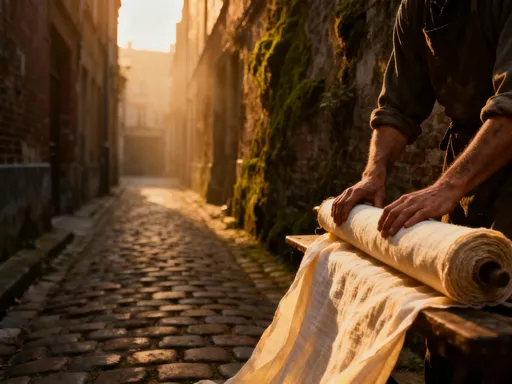
To experience the real Naples, you must step off the main thoroughfares and into its labyrinthine backstreets. In neighborhoods like Quartieri Spagnoli and San Gregorio Armeno, life unfolds at eye level, in cramped workshops tucked between apartments and corner bakeries. These are not tourist attractions; they are living parts of the city’s fabric. Here, artisans work behind open doors, their tools within reach, their materials stacked in corners, their hands moving with the confidence of decades. There is no stage, no performance—just the steady pulse of creation.
Quartieri Spagnoli, once known primarily for its dense population and vibrant street life, is now being rediscovered for its concentration of small-scale craftsmanship. Leatherworkers bend over wooden forms, shaping belts and sandals with tools that look unchanged for a century. Nearby, in narrow lanes where laundry hangs overhead and children play between buildings, ceramicists dip brushes into bright glazes, painting lemons, fish, and floral patterns onto plates and tiles. The air carries a mix of scents—warm leather, wet clay, fresh basil from nearby market stalls—each one a clue to the craft just around the corner.
San Gregorio Armeno, famous for its nativity figurines, is perhaps the most striking example of Naples’ artisan soul. While most cities reserve such crafts for the holiday season, here, artisans sculpt and paint figurines year-round. Inside tiny workshops, craftsmen mold clay into expressive faces, hand-stitch tiny garments, and paint intricate details with brushes made from a single animal hair. A bishop’s robe, a fisherman’s net, a senator’s toga—each is rendered with astonishing precision. These are not cheap souvenirs; they are works of art, each telling a story about Neapolitan life, faith, and humor.
What makes these spaces so special is not just the skill on display, but the accessibility. You can stand in the doorway, watch for minutes, and be invited in with a smile. Many artisans speak little English, but a gesture, a nod, a shared moment of appreciation is enough. This is not a transactional experience; it’s a human one. And yet, these workshops remain hidden in plain sight, overlooked by travelers who follow guidebooks to the Duomo or the National Archaeological Museum. The real museum of Naples is not behind glass—it’s in these alleys, where culture is not observed but lived.
Ceramics That Sing: The Legacy of Neapolitan Pottery
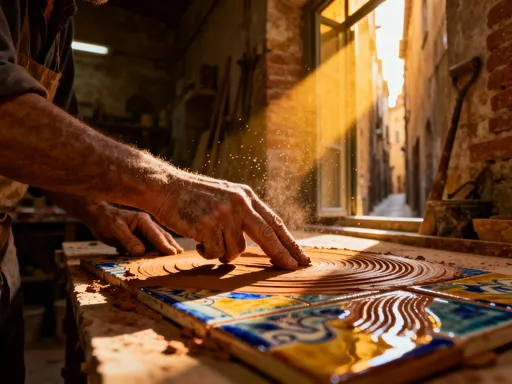
Among the most vibrant expressions of Neapolitan craftsmanship is its hand-painted ceramics. While the nearby town of Vietri sul Mare is often credited as the epicenter of this tradition, Naples itself is home to countless potters who keep the art alive. The style is unmistakable: bold colors, intricate patterns, and a joyful celebration of southern Italian life. Plates burst with lemons, tiles shimmer with ocean blues, and vases twist with Baroque flourishes. Each piece feels alive, as if it could sing if held to the ear.
The origins of this ceramic tradition stretch back centuries, influenced by Moorish, Spanish, and Renaissance aesthetics. What began as functional tableware evolved into an art form, with potters using their craft to reflect the landscape, culture, and spirit of the region. Lemons, for instance, are more than just a fruit here—they symbolize the sun-drenched groves of the Amalfi Coast and the resilience of life in a rugged terrain. Fish and seashells echo the city’s deep connection to the sea, while floral motifs draw from the lush gardens of villas and monasteries. Even religious imagery appears, not in solemn tones, but with warmth and familiarity—a Madonna holding a child, surrounded by local flowers and fruits.
The process itself is a dance of fire and patience. Artisans begin with locally sourced clay, shaping it on the wheel or pressing it into molds. After the first firing, the pieces are hand-painted using natural pigments, each color requiring its own application and drying time. The final firing locks in the design, creating a durable, glossy finish. No two pieces are exactly alike; slight variations in brushstroke, color intensity, or glaze flow make each one unique. This is not a flaw—it’s the signature of the human hand.
Today, Neapolitan ceramics are used in homes across southern Italy, not locked away as decoration but used daily. A hand-painted plate holds pasta, a ceramic jug cools water in the sun, a tiled backsplash brightens a kitchen. To own such a piece is to participate in this tradition, to bring a fragment of Naples’ soul into your own home. And when you purchase directly from an artisan, you do more than acquire an object—you support a lineage, a way of life, a culture that refuses to be erased by time.
Leather Crafted by Hand: From Market Stalls to Master Workshops
Just as ceramics reflect the colors of Naples, its leatherwork embodies its texture—tough, supple, and deeply personal. The city has long been a center for leathercraft, with roots in both practical necessity and artistic expression. From the durable sandals worn by fishermen to the elegant handbags carried by city women, leather in Naples is not a luxury import—it’s a local craft, shaped by climate, need, and taste.
The Pignasecca Market, one of the oldest and most vibrant in the city, offers a glimpse into this tradition. Among the stalls of fresh produce, cheese, and seafood, leather vendors display belts, wallets, and shoes, each piece showing signs of hand stitching and natural wear. These are not mass-produced goods from distant factories; they are made locally, often in small workshops just blocks away. The leather itself is typically vegetable-tanned, a slower, more environmentally friendly process that results in rich, warm tones that deepen with age. Unlike chrome-tanned leather, which feels uniform and artificial, vegetable-tanned leather breathes, ages, and tells a story through its patina.
For a deeper look, one must visit the quieter ateliers in neighborhoods like Chiaia or Vomero. Here, master craftsmen work in near silence, their tools laid out like surgical instruments. A single bag might take days to complete, with every cut, stitch, and edge burnished by hand. These artisans often take custom orders, measuring a client’s needs as carefully as a tailor. The result is not just a product, but a personal object, shaped by individual use and preference.
What’s especially exciting is how younger designers are reinterpreting this tradition. While respecting the techniques of their mentors, they are introducing modern silhouettes, minimalist hardware, and sustainable practices. A classic leather tote might now feature a detachable pouch made from recycled fabric, or a belt might come in unexpected colors like deep aubergine or forest green. This fusion of old and new ensures that Neapolitan leathercraft remains relevant, not just preserved as a relic. For the traveler, this means finding pieces that are both timeless and contemporary—objects that feel at home in a Naples alley or a New York apartment.
The Scent of Tradition: Perfume-Making in Hidden Apothecaries
One of the least known but most enchanting crafts in Naples is its perfume-making tradition, rooted in the city’s long history of apothecaries and herbalists. Since the 18th century, Neapolitan perfumers have blended fragrances using local essences—bitter orange from Sorrento, myrtle from the hills, jasmine from private gardens, and even the faint saltiness of sea air captured in memory. These are not commercial scents designed for mass appeal, but intimate compositions that reflect the soul of the city.
In quiet corners of the historic center, small perfume houses still operate much as they did two centuries ago. Inside dimly lit shops with wooden counters and glass vials, perfumers mix oils by hand, adjusting ratios with a precision born of experience. Some use recipes passed down through families, while others create custom scents for clients based on mood, memory, or occasion. The process is slow, deliberate, and deeply personal. A single bottle might take weeks to perfect, with notes unfolding over time like a story—citrus at first, then herbs, then a warm base of amber or vanilla.
The inspiration for these fragrances is unmistakably Neapolitan. A morning walk along the waterfront, the scent of lemons ripening in the sun, the incense from a side chapel during Sunday mass, the warmth of a kitchen where tomatoes simmer for hours—these moments are distilled into perfume. One well-known house offers a fragrance called 'Mare,' capturing the crispness of sea breezes and the mineral tang of wet stone. Another features 'Notte a Napoli,' a deeper blend of tuberose, coffee, and woodsmoke, evoking the city after dark, when the streets hum with life.
What makes these perfumes special is not just their quality, but their connection to place. They are not made in factories but in small batches, often using ingredients sourced from nearby farms or wild-harvested in the hills. The bottles themselves are simple, elegant, often refillable—a quiet rejection of disposable consumerism. To wear one is to carry a piece of Naples with you, not as a souvenir, but as a sensory memory. And for the woman who values subtlety over flash, who appreciates the quiet luxury of craftsmanship, these scents offer a deeply personal way to remember her journey.
Beyond Souvenirs: How to Choose and Support Authentic Craft
With so much beauty on display, it’s natural to want to bring a piece of Naples home. But not all that glitters is gold—or handmade. The city, like any tourist destination, has its share of mass-produced imitations sold in souvenir shops and online. To truly support the artisans, it’s important to know how to tell the real from the replica.
Start by looking closely. Handmade ceramics will have slight imperfections—a brushstroke that bleeds, a glaze that pools in one corner, a shape that isn’t perfectly symmetrical. These are not flaws; they are signs of human touch. Mass-produced pieces, in contrast, are uniform, often lighter in weight, and made with synthetic paints that lack depth. For leather, examine the edges—hand-burnished leather will feel smooth and slightly waxy, while machine-finished edges are hard and uniform. Stitching should be even but not robotic; hand-stitching often shows slight variations in tension.
Engage with the maker. Most artisans are proud of their work and happy to explain their process. Ask where the materials come from, how long the piece took to make, or if it’s part of a family tradition. Fair pricing reflects time and skill—while handmade goods cost more than factory-made ones, they are not exorbitant. A small hand-painted plate might cost 20–30 euros, a leather belt 80–120 euros, a custom perfume 60–100 euros. If a price seems too good to be true, it probably is.
When possible, buy directly from the workshop or a trusted local shop that partners with artisans. Avoid street vendors who can’t answer questions about origin. And consider the ethics of your purchase—does the money go to the maker, or to a middleman? Is the item made in Naples, or imported and labeled as such? Supporting authentic craft means more than buying something pretty; it means making a choice to value quality, sustainability, and human dignity.
Finally, think about how you’ll transport your treasures. Ceramics should be wrapped in soft cloth and carried in a sturdy bag. Leather goods benefit from a simple dust bag. Perfumes, especially in glass bottles, should be packed in padded containers. Many artisans offer shipping services, carefully packing items for international delivery. Taking care of your purchases honors the care that went into making them.
Why These Crafts Matter: Preserving Culture One Object at a Time
At a time when global markets push us toward uniformity—where the same clothes, gadgets, and decor appear in homes from Tokyo to Toronto—the handmade crafts of Naples stand as a quiet act of resistance. Each leather bag, each painted plate, each hand-mixed perfume is a declaration that local knowledge matters, that tradition has value, and that beauty can be slow, intentional, and deeply personal.
When you buy from an artisan in Naples, you do more than acquire an object—you help sustain a community. You ensure that a young apprentice can continue learning the potter’s wheel, that a perfumer can afford rare essences, that a leatherworker can pass tools to the next generation. These crafts are not hobbies; they are livelihoods, often the only source of income for families in neighborhoods with limited opportunities. Your choice to support them is an investment in cultural survival.
Moreover, these crafts represent intangible heritage—the knowledge, skills, and stories that define a people. UNESCO recognizes such traditions as vital to human diversity. In Naples, where oral history and family memory are strong, craft is a living archive. A nativity figurine carries the humor and faith of its maker; a ceramic tile reflects centuries of Mediterranean design; a leather belt embodies the resilience of a city that has weathered earthquakes, wars, and economic shifts. These are not relics of the past; they are expressions of the present, shaped by history but still evolving.
Travel, at its best, is not about collecting sights but about forming connections. And what better way to connect than through objects that carry meaning? When you bring home a piece of Neapolitan craft, you carry more than decoration—you carry a story, a relationship, a moment of human authenticity. You become part of a chain that stretches back generations, linking you to the hands that shaped, painted, and scented your treasure.
So the next time you plan a trip to southern Italy, don’t just visit Naples—discover it. Step into the alleys, speak to the makers, and let yourself be surprised by the beauty hidden in plain sight. Let your journey be about more than sightseeing. Let it be about seeing deeply, feeling fully, and returning home with something that truly matters. Because in the end, the most meaningful souvenirs aren’t things you buy—they’re connections you make, one handmade object at a time.