You Won’t Believe What I Found Along the Rhine
Have you ever stood somewhere and felt like the world had paused just for you? That’s what happened when I first saw the Rhine Valley unfold beneath a golden sunrise. It’s not just a river—it’s a living postcard of vineyard-covered slopes, misty mornings, and castles perched like silent guardians. This is nature and history hugging each other tightly. If you’re chasing real beauty—raw, untouched, and breathtaking—the Rhine delivers. Let me take you through why this stretch of Germany feels like magic.
First Light Over the Rhine: A Morning to Remember
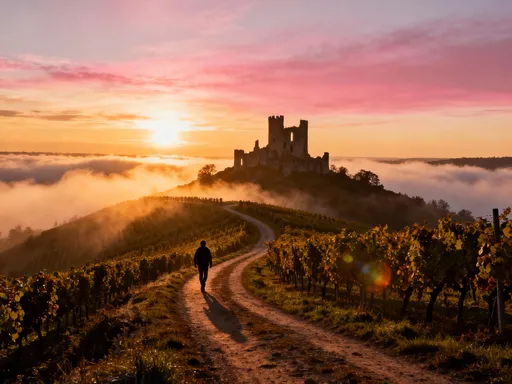
Arriving in St. Goar before dawn is like stepping into a different time—one where the rhythm of life is set not by clocks, but by light and water. The town sleeps quietly, its half-timbered houses leaning gently over cobblestone lanes. As the sky begins to blush in soft hues of pink and amber, a hush settles over the valley. The Rhine, still wrapped in a veil of morning mist, reflects the first rays of sun like liquid gold. There are no crowds, no chatter—only the occasional call of a kingfisher or the distant chime of a church bell drifting across the water. This is the Rhine at its most intimate.
What makes this moment so powerful is not just the visual splendor, but the emotional resonance it carries. Watching the valley awaken feels like witnessing a secret—one that only those willing to rise early are allowed to see. The light climbs slowly up the vineyard terraces, revealing rows of grapevines etched into the steep hillsides like ancient script. The silhouette of Burg Rheinfels, once one of the largest fortresses on the Rhine, emerges from the shadows, its stone walls glowing warmly. In these quiet hours, the river isn’t just a scenic backdrop; it becomes a living presence, breathing with the land.
Timing is everything. A midday visit brings boats, tourists, and noise—beautiful in its own way, but fundamentally different. At sunrise, the experience transcends sightseeing. It becomes meditative. The stillness invites reflection, and the natural beauty feels less like a postcard and more like a reminder: the world holds moments of profound peace, if only we make space for them. For travelers seeking depth over distraction, this early morning ritual offers a rare gift—a chance to connect not just with a place, but with a sense of calm that lingers long after the sun has risen.
The Vineyard Climb: Sweat, Scenery, and Riesling
One of the most rewarding ways to truly know the Rhine Valley is to walk it—specifically, to hike the winding trails that cut through the steep vineyards between Bacharach and Kaub. These paths are not for the faint of heart. The incline is relentless, the stones uneven, and the summer sun can be unforgiving. But every drop of sweat is repaid tenfold in scenery. As you climb, the valley unfolds beneath you in layers—river, road, village, slope—each element fitting together like pieces of a carefully composed painting.
Halfway up, you might encounter a local vintner checking his vines, pruning shears in hand and a weathered face shaded by a wide-brimmed hat. These growers are the quiet stewards of the region, tending to grapevines that have thrived here for centuries. Many are happy to pause for a conversation, sharing stories about the challenges of farming such steep terrain or the nuances of this year’s harvest. Some may even offer a small taste of their latest Riesling—crisp, floral, and alive with the minerality of the slate-rich soil.
The Middle Rhine’s microclimate is one of the key reasons this region produces such exceptional white wines. Sheltered by the Taunus and Hunsrück highlands, the valley enjoys long, sun-drenched days and cool nights—a perfect balance for slow grape ripening. The south-facing slopes maximize sunlight exposure, while the river itself acts as a natural heat reservoir, reflecting warmth back onto the vines. The result is a wine with bright acidity, aromatic complexity, and a distinctive character that cannot be replicated elsewhere. To walk these vineyards is to understand that great wine is not made in cellars alone—it begins in the soil, the sun, and the hands that care for it.
Castles That Whisper Stories: Beyond the Fairytale Facade
The Rhine is famous for its castles, and rightly so—more than 40 dot the 65-kilometer stretch known as the Upper Middle Rhine Valley, a UNESCO World Heritage Site. But these are not the glittering, over-restored fortresses of children’s books. Places like Burg Rheinfels in St. Goar and Burg Marksburg near Braubach offer something far more compelling: authenticity. They rise not as stage sets, but as weathered witnesses to centuries of conflict, trade, and shifting power.
Walking through the courtyard of Burg Rheinfels, you can feel the weight of history. Once a formidable stronghold, it was partially destroyed in the 18th century and never fully rebuilt. Today, its ruins are not hidden behind velvet ropes but open to exploration—crumbling staircases lead to vaulted cellars, and narrow passages wind through thick stone walls. You can stand on the ramparts and imagine sentries scanning the river for enemy ships, or merchants approaching with barrels of wine and salt. There’s no forced narration here, no animatronic knights—just silence, stone, and the imagination.
Burg Marksburg, in contrast, is one of the few Rhine castles never destroyed. It stands intact, its conical towers and crenellated walls rising dramatically from a rocky spur. Inside, the rooms are furnished as they might have been in the 18th century—modest by royal standards, but rich in atmosphere. What’s striking is how these castles belong to the landscape. They are not plopped on top of hills, but grown from them, their foundations fused with the bedrock. This integration gives the entire valley a sense of continuity—where human history and natural form exist in quiet dialogue.
River Life: Cruising Without the Crowds
Most visitors experience the Rhine from a tourist cruise—a comfortable, narrated journey past the major landmarks. While pleasant, these boats often move quickly and carry large groups, making it hard to truly absorb the rhythm of the river. A more intimate alternative is to take a local ferry, especially on a weekday morning. These modest vessels serve both residents and travelers, stopping at small docks where cyclists hop off with their panniers and commuters walk to nearby towns.
On such a ride, you notice different details. A heron stands motionless at the water’s edge, then spears a fish with lightning speed. A massive barge glides past, loaded with containers, its low hum blending with the lap of waves against the hull. Around a bend, a village appears like a scene from a storybook—tiled roofs, flower boxes, a church spire pointing skyward. There’s no commentary, no music, just the natural soundtrack of the river: wind, water, and the occasional shout from a dockhand.
Choosing a locally operated boat also supports sustainable tourism. Smaller operators often use more fuel-efficient vessels and follow eco-conscious practices, such as reducing speed in sensitive zones to protect wildlife. Some even partner with regional conservation groups to fund river cleanup efforts. By opting for these quieter, community-based services, travelers gain a more authentic experience while contributing to the preservation of the Rhine’s delicate ecosystem. It’s a small choice, but one that aligns with the valley’s deeper spirit—respect, balance, and care.
Hidden Trails and Quiet Corners: Escaping the Tourist Tread
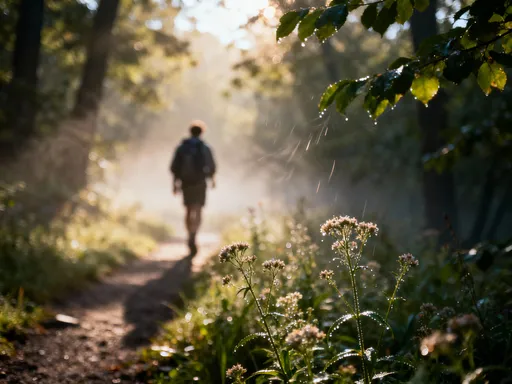
While the main Rhine Trail draws many hikers, the true magic often lies just off the beaten path. Near Sankt Goarshausen, for example, a lesser-known trail climbs into the forested hills, offering panoramic views without the foot traffic. These quiet corners are not marked by souvenir shops or crowded viewpoints, but by rustling leaves, bird calls, and the occasional deer disappearing into the underbrush.
Wandering just ten minutes away from the main route can transform your experience entirely. Suddenly, you’re alone with the landscape—no voices, no cameras, just the crunch of gravel underfoot and the cool air filling your lungs. It’s in these moments that the Rhine reveals its quieter gifts: the flash of a kingfisher diving into the water, the scent of pine and damp earth after a morning rain, the way sunlight filters through the canopy in dappled patterns.
Slowing down is not just a luxury; it’s a way of seeing more deeply. When you’re not rushing from castle to castle, you begin to notice the small wonders—the wildflowers clinging to rocky outcrops, the intricate stonework of an old shepherd’s hut, the way the river changes color with the time of day. These details don’t make it into brochures, but they are what stay with you. They remind you that travel isn’t only about checking destinations off a list, but about allowing yourself to be present, to listen, to breathe.
Why the Rhine Feels Different: The Balance of Wild and Refined
What sets the Rhine Valley apart from other river regions is not just its beauty, but its balance. Unlike some waterways lined with concrete embankments or crowded resorts, the Middle Rhine remains remarkably unspoiled. Vineyards are meticulously tended, yes, but they grow on steep, natural slopes. Villages are charming, but they feel lived-in, not staged. The river flows freely, bordered by forests and rock formations that have stood for millennia.
This harmony between cultivation and wilderness is intentional. Since its designation as a UNESCO World Heritage Site in 2002, the region has implemented strict preservation guidelines. New construction is limited, historical buildings are carefully maintained, and agricultural practices follow sustainable standards. Local communities take pride in protecting their heritage, not as a museum piece, but as a living, evolving landscape.
Compare this to other famous river valleys—some have succumbed to overdevelopment, losing their character to chain hotels and parking lots. The Rhine has resisted that fate. Here, progress doesn’t mean replacing the old with the new, but finding ways for them to coexist. A family-run winery uses modern techniques to improve quality, but still harvests by hand. A centuries-old ferry continues to operate, now powered by cleaner fuel. This respect for continuity—between past and present, nature and culture—is what gives the Rhine its soul.
Bringing It Home: How This Journey Shifts Your Perspective
The Rhine doesn’t shout for attention. It doesn’t dazzle with neon lights or adrenaline-pumping attractions. Instead, it offers something rarer: a deep, quiet kind of beauty that settles into your bones. You may not return home with a thousand photos, but you’ll carry something more lasting—a sense of peace, a renewed appreciation for slowness, a memory of standing on a hillside as the morning mist lifted over the river.
Travel has a way of recalibrating our inner compass. In the rush of daily life—school runs, grocery lists, endless messages—it’s easy to forget that the world holds spaces of stillness and grace. The Rhine reminds us of that. It teaches us to look closely, to move slowly, to savor the details. It shows us that beauty doesn’t have to be loud to be powerful.
And perhaps most importantly, it reminds us of continuity. The same river that carried medieval traders now carries kayakers and dreamers. The same slopes that grew grapes for monks now supply family tables and global cellars. There’s comfort in that—a sense that some things endure, not because they resist change, but because they adapt with care.
The Rhine isn’t just a destination. It’s a mood. A moment. A quiet invitation to pause, breathe, and remember what matters. If you ever find yourself standing on its banks at dawn, with the light spreading across the water and the world holding its breath—you’ll understand. You won’t believe what you found along the Rhine. But you’ll be glad you did.