You Won’t Believe How Welsh Food Looks Through My Lens
Wales isn’t just castles and mountains—its food culture is a visual feast waiting to be captured. Through my camera, I discovered how tradition, landscape, and flavor blend into stunning, authentic moments. From smoky market stalls to golden bara brith at sunrise, every shot tells a story. If you’ve ever thought food can’t be art, you haven’t seen Wales through a photographer’s eyes. This small nation, often overlooked in favor of its louder neighbors, reveals a quiet culinary rhythm shaped by centuries of farming, fishing, and family kitchens. Here, food is not staged for social media; it unfolds naturally, rich with texture, warmth, and meaning. Capturing it is less about perfection and more about presence.
Why Wales? The Unexpected Beauty of a Food Journey
When travelers think of European culinary destinations, Wales rarely tops the list. Yet this green and misty country holds a quiet magic that reveals itself slowly, especially through the lens of food photography. Unlike the polished plating of haute cuisine, Welsh food thrives in authenticity. It emerges from the land—lush hills where sheep graze freely, rocky coastlines where fishermen haul in fresh catches, and small kitchen gardens where root vegetables grow deep in the soil. These natural elements shape dishes that are inherently photogenic, not because they are designed to be, but because they reflect a life lived close to the earth.
The connection between landscape and plate is undeniable. Rolling hills dotted with sheep are not just scenic—they are the source of some of the finest lamb in the UK, often slow-roasted with rosemary and served with seasonal vegetables. Coastal villages rely on the sea, offering dishes like grilled mackerel or pan-fried scallops, their golden crusts catching the low afternoon light in ways that beg to be photographed. Even the weather plays a role: the soft, diffused light after rain enhances colors, turning a bowl of broth into a shimmering amber pool and making steam rise like whispers from a hot stew.
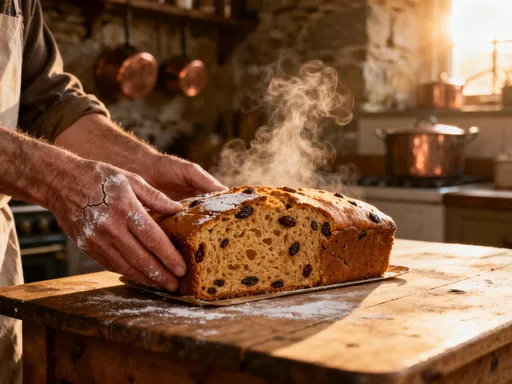
What sets Wales apart is its resistance to commercialization. In many tourist-heavy regions, traditional meals are altered to suit foreign palates or packaged for quick consumption. But in rural Welsh communities, food remains unchanged by trends. A grandmother in a Snowdonia village still stirs her cawl in the same heavy pot her mother used. A baker in Pembrokeshire wakes before dawn to roll out dough for Welsh cakes on a cast-iron griddle. These moments are not performances; they are daily rituals. For a photographer, this means access to real, unscripted scenes—where every wrinkle on a hand kneading dough or speck of flour on a wooden table adds depth to the frame.
Even the colors of Welsh cuisine are shaped by nature. Bara brith, the spiced fruit loaf, gets its deep brown hue from tea-soaked dried fruits—raisins, sultanas, and candied peel—ingredients historically preserved through long winters. Laverbread, made from edible seaweed gathered along the rocky shores, has a glistening, dark green texture that contrasts strikingly against pale toast or golden fried eggs. These natural pigments, born of necessity and seasonality, create compositions that feel both earthy and elegant.
The Heart of Welsh Food: Tradition in Every Bite
At the core of Welsh cuisine lies tradition—not as a museum exhibit, but as a living, breathing practice passed from one generation to the next. Meals are more than sustenance; they are heirlooms. One of the most iconic dishes, cawl, is a hearty lamb and vegetable stew simmered for hours, often made in large batches and eaten over several days. Recipes vary by family and region, but the essence remains the same: simple ingredients, slow cooking, and deep flavor. Photographing cawl means capturing more than soup—it means framing generations of resilience, resourcefulness, and care.
Welsh cakes, another staple, are small, griddle-baked treats made with flour, butter, sugar, and dried fruit. Their surface is lightly browned and dusted with sugar, offering a perfect contrast of textures—crisp outside, soft within. They are often made in family kitchens, especially during holidays or rainy afternoons when the smell fills the house. A photo of a stack of warm Welsh cakes on a chipped ceramic plate, steam rising gently, becomes a portrait of comfort and continuity. These are not mass-produced items; each batch carries the subtle fingerprint of the maker.
Laverbread, though less known outside Wales, is a true symbol of coastal life. Harvested by hand from tidal rocks, the seaweed is boiled, minced, and often served with bacon and cockles for breakfast. Its dark, gelatinous texture might challenge some palates, but visually, it is striking—glossy and rich, like melted obsidian. When paired with the bright yellow of a fried egg or the pink curl of grilled cockles, it creates a palette that feels both ancient and vibrant. Photographing laverbread is not just about the dish; it’s about honoring the labor of those who gather it at dawn, braving cold winds and slippery stones.
These foods are more than recipes—they are cultural anchors. In a world where fast food and global chains homogenize taste, Welsh culinary traditions stand as quiet acts of preservation. For a photographer, this depth transforms a simple image into a narrative. A wrinkled hand placing a spoon into a pot of cawl is not just a moment; it is a testament to endurance. A child watching their grandmother roll out Welsh cake dough becomes a symbol of intergenerational connection. Each photograph, then, becomes a silent archive—a way to honor and remember.
Best Places to Capture Authentic Welsh Cuisine
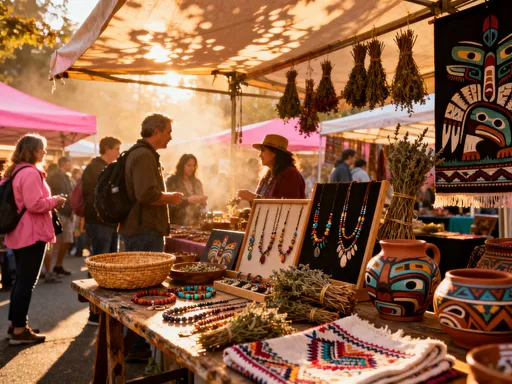
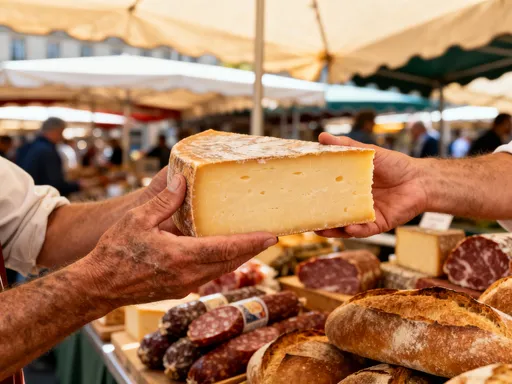
To photograph Welsh food in its most genuine form, one must move beyond the postcard views of castles and cliffs and step into the rhythm of everyday life. Farmers' markets in cities like Cardiff and Swansea offer some of the best opportunities. Held weekly, these markets buzz with activity in the morning, when stalls are freshly stocked with local produce. Wooden crates overflow with leeks—Wales’ national symbol—alongside bundles of carrots, potatoes, and kale. Artisan bakers display loaves of sourdough and bara brith, their surfaces cracked and golden. The natural light at this time of day is soft and directional, ideal for capturing textures without harsh shadows.
Coastal towns such as Aberystwyth and Tenby provide another layer of culinary authenticity. Here, small bakeries open early, filling the air with the scent of griddled Welsh cakes. Fishmongers display the day’s catch—mackerel, crab, and lobster—arranged on beds of crushed ice. A morning visit allows photographers to capture the energy of preparation: nets being mended, baskets unloaded, pans heating on stoves. The sea light, especially in spring and summer, has a cool, silvery quality that enhances the glisten of fresh fish and the sheen of buttered bread.
Village pubs in rural areas like Snowdonia and the Brecon Beacons are equally rewarding. These are not themed restaurants but real community hubs where locals gather for Sunday lunch or a midweek pint. The food is simple but deeply rooted: roast lamb with mint sauce, cheese and leek pie, or a bowl of hot soup with thick brown bread. Because meals are prepared in open kitchens or served on wooden trays, there are natural opportunities to photograph the transfer from pot to plate. The late afternoon, just before the dinner rush, offers warm interior lighting—lamps casting soft glows on tablecloths, candles flickering beside half-empty wine glasses.
Tea rooms and community halls during local events are also rich with photographic potential. At agricultural shows or church fairs, women often bake for competition—scones, fruit tarts, and spiced cakes arranged on lace-covered tables. These settings are filled with color, movement, and emotion. A judge leaning in to examine a cake, a child reaching for a cookie, an elderly woman adjusting her apron—each moment tells a story beyond the food itself. The key is to arrive early, move quietly, and observe without intrusion. Authenticity thrives when the camera becomes part of the background, not the focus.
Photography Tips for Food That Tells a Story
Capturing Welsh food in a way that resonates requires more than technical skill—it demands intention. The goal is not to create perfectly lit, stylized images, but to document real moments with emotional weight. Natural light is the most powerful tool. Early morning and late afternoon offer the best conditions, with sunlight streaming through kitchen windows or casting long shadows across market stalls. Overcast days, often dismissed by photographers, can actually be ideal—cloud cover acts as a giant diffuser, eliminating harsh contrasts and enhancing subtle textures like the crumb of bread or the grain of wood on a cutting board.
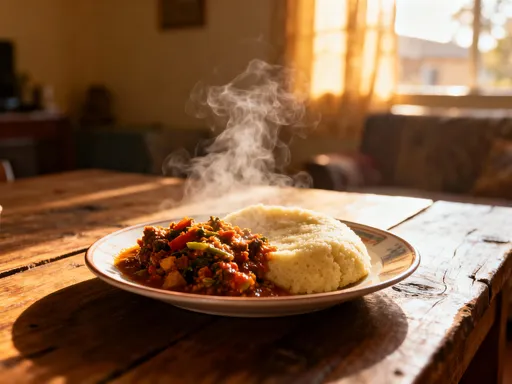
Context is just as important as composition. A plate of food alone may look appealing, but it lacks narrative. Instead, include elements that ground the meal in place and time. Show hands dusting flour on a countertop, a wooden spoon resting in a pot of stew, or a cat curled beside a cooling rack of Welsh cakes. These details transform a food photo into a scene. Steam rising from a bowl of soup, captured in the early morning chill, adds movement and warmth. A splash of milk being poured into a mug of tea can freeze a fleeting moment of daily ritual.
Close-ups are essential for revealing texture. The sugared surface of a Welsh cake, the fibrous pull of roasted lamb, the sticky glaze on a slice of bara brith—these details invite the viewer to imagine taste and touch. Use a shallow depth of field to isolate a single element, like a spoon dipped into honey or a crack in a crust that reveals soft crumb beneath. But balance this with wider shots that show the environment: a crowded market table, a cozy kitchen nook, a seaside café with waves crashing outside the window.
Equipment should serve the moment, not dominate it. A simple setup—a mirrorless or DSLR camera with a prime lens, or even a high-quality smartphone—can produce stunning results. Tripods may be useful in low-light interiors, but often a steady hand and higher ISO setting work better in dynamic settings. The key is to remain mobile and unobtrusive. The best images are often taken in seconds, when a baker smiles after pulling a tray from the oven or when sunlight suddenly hits a plate of grilled fish. Patience and presence matter more than gear.
How Local People Bring the Frame to Life
No photograph of Welsh food is complete without the people who create it. They are the heartbeat of the cuisine—the farmers, bakers, fishermen, and home cooks whose hands shape every meal. A dish may look beautiful on a plate, but it gains soul when connected to the person behind it. Their weathered hands, stained with flour or salt, tell stories of decades of labor. A warm smile while serving a bowl of cawl conveys hospitality that no styling can replicate. These human elements elevate food photography from documentation to storytelling.
Approaching people with respect is essential. In small communities, strangers with cameras can be met with caution. The best method is to engage first—ask permission with a smile, explain your interest in Welsh food and culture, and wait for genuine consent. Often, a simple conversation over a cup of tea leads to an invitation into a kitchen or a walk to the market. When photographing, avoid staging. Let actions unfold naturally: a fisherman cleaning his catch, a grandmother stirring a pot, a child licking jam from a spoon. These unguarded moments carry authenticity that posed shots never can.
Eye contact, when invited, creates connection. A portrait of a baker, apron tied tightly, looking directly into the lens, transforms the image into a mutual exchange. It acknowledges the dignity of their work. Similarly, capturing hands in motion—kneading, chopping, pouring—emphasizes skill and routine. These details honor the labor behind the meal, reminding viewers that food is not just consumed but crafted.
Children, too, play a role in these scenes. Watching a young girl help her mother roll out dough or a boy taste his first bite of laverbread adds generational depth. Their curiosity mirrors that of the viewer, inviting us into the culture. These interactions are fleeting, so readiness is key. Keeping the camera at hand, settings adjusted for indoor light, allows for quick, quiet captures. The goal is not to disrupt, but to witness.
Seasonal Shifts: When Wales’ Table Shines Brightest
Wales’ food culture shifts beautifully with the seasons, each bringing its own palette, light, and rhythm. Spring marks the return of fresh greens and the birth of new lambs. Hillside pastures turn bright, and markets fill with tender leeks, spinach, and wild garlic. This is the season for slow-cooked lamb stews, photographed with steam rising into cool morning air. The light is soft and pale, casting gentle highlights on ceramic bowls and wooden spoons. Agricultural festivals in April and May offer vibrant scenes—farmers showing prize sheep, children painting eggs, bakers displaying fresh loaves.
Summer brings longer days and bustling coastal activity. Seaside towns come alive with fishermen unloading their morning catch, and outdoor markets overflow with berries, herbs, and fresh bread. The golden hour—just before sunset—bathes everything in warm, honeyed light, perfect for photographing grilled seafood or a picnic spread on a cliffside blanket. Food festivals in towns like Hay-on-Wye or Cardigan draw crowds and chefs, creating dynamic scenes of cooking demonstrations, live music, and communal eating. The atmosphere is joyful, and the light lingers, allowing for richly detailed images well into the evening.
Autumn is a time of preservation and harvest. Orchards yield apples for cider and baking, while gardens provide pumpkins, beets, and potatoes. Jams, chutneys, and pickles are made in large batches, their jars lined up on kitchen counters like jewels. The light becomes richer, more amber, enhancing the deep reds and browns of roasted vegetables and spiced cakes. Morning mist clings to valleys, adding a dreamlike quality to shots of smoke rising from cottage chimneys or a steaming mug held by a farmer in a woolen coat.
Winter is the season of comfort and gathering. Christmas markets in cities like Newport and Wrexham glow with fairy lights, offering mulled wine, mince pies, and roasted chestnuts. Homes fill with the scent of bara brith and spiced tea. The low sun casts long shadows, creating dramatic contrasts in black-and-white photography. Sunday roasts, shared with family, become intimate subjects—steam rising from gravy boats, candles flickering beside polished silver. Though the days are short, the warmth of Welsh hospitality shines brightest now, making every photograph feel like an embrace.
From Lens to Legacy: Why This Matters Beyond the Photo
Photographing Welsh food is not just an artistic pursuit—it is an act of cultural preservation. As global diets homogenize and traditional practices fade, these images serve as quiet records of a way of life. They honor the hands that grow, cook, and share food with pride and care. Each photograph, whether of a steaming bowl of cawl or a fisherman mending his net, becomes a testament to resilience, community, and connection to the land.
For the traveler and photographer alike, this approach fosters mindful engagement. It moves beyond sightseeing to seeing—truly seeing—the people, places, and stories behind every meal. It encourages patience, respect, and curiosity. Instead of rushing from one landmark to the next, one learns to linger in a market, share a conversation, accept a cup of tea. These moments, often unplanned, become the most meaningful.
Moreover, such photography promotes sustainable and ethical travel. By focusing on local producers, family-run businesses, and seasonal ingredients, it supports communities directly. It shifts the narrative from consumption to connection. A photograph shared online can inspire others to visit with intention, to seek out real experiences rather than curated ones.
Wales, through the lens of its food, reveals a truth often overlooked: that beauty lies not in grandeur, but in the ordinary made extraordinary by time, tradition, and care. To capture this is not just to take a photo, but to participate in a legacy. So pick up your camera, but also bring your heart. Walk into a village market, smile at a baker, taste the bread, feel the rain on your coat. Let Wales feed your soul, and let your lens honor what it means to eat, live, and belong.