You Won’t Believe What Lille’s Backstreets Are Hiding
Lille, France, is more than just cobbled lanes and Flemish charm—it’s a treasure trove of niche specialty products few travelers ever discover. I stumbled upon artisans crafting edible gold, linen so fine it feels like air, and beers brewed with century-old recipes. This isn’t your typical tourist trail. If you're craving authentic, locally rooted experiences that elevate your journey, Lille’s hidden workshops and family-run ateliers are waiting. Let me take you where guidebooks rarely go.
The Unexpected Soul of Lille: Beyond the Postcard
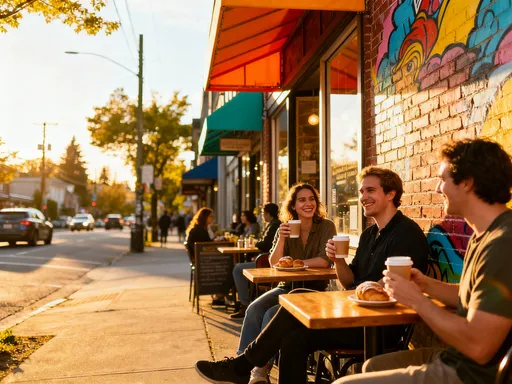
Lille is often celebrated for its grand squares, pastel-hued buildings, and the lively buzz of its central markets. But beneath the surface of this elegant northern French city lies a quieter, more enduring rhythm—one shaped by generations of makers who continue to honor centuries-old traditions. While tourists flock to admire the ornate façades of Vieille Bourse or sip coffee in sunlit cafés, a deeper story unfolds in the backstreets: one of craftsmanship, resilience, and quiet pride. Lille’s identity is not only rooted in its location between France and Belgium but also in its industrial legacy, once a powerhouse of textile mills and artisan workshops that fueled northern Europe’s economy.
Today, that legacy lives on in micro-producers who keep regional specialties alive. These are not museum pieces or nostalgic reenactments—they are working ateliers where linen is still spun from Picardie flax, cheese matures under natural molds, and beer ferments in oak barrels using recipes passed down through families. What sets Lille apart is not merely the quality of its products but the intention behind them. Each creation reflects a commitment to authenticity, a resistance to mass production, and a desire to preserve something meaningful. For the mindful traveler, this is where the true soul of the city reveals itself—not in grand monuments, but in the humble act of making.
Exploring Lille beyond the postcard image means embracing a slower, more intentional form of travel. It means seeking out the people who shape the city’s character not through spectacle, but through daily dedication. Whether it’s a cheesemaker tending to aging wheels in a cool cellar or a weaver threading silk through a hand-operated loom, these artisans represent a living heritage. And for those willing to look closely, their work offers a rare kind of connection—one that transcends language, culture, and time.
Wandering the Old Town: A Hunt for Authentic Craftsmanship
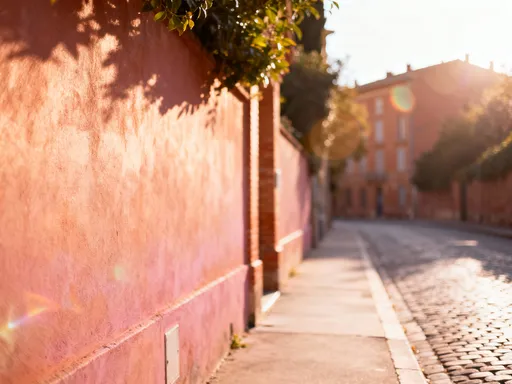
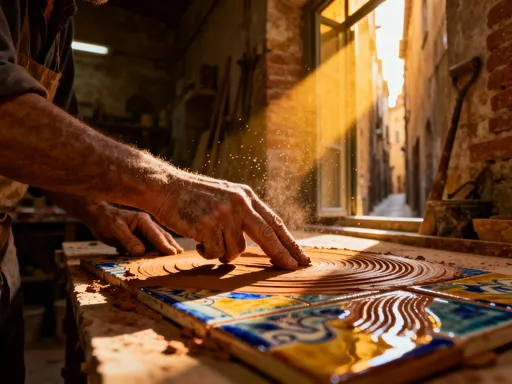
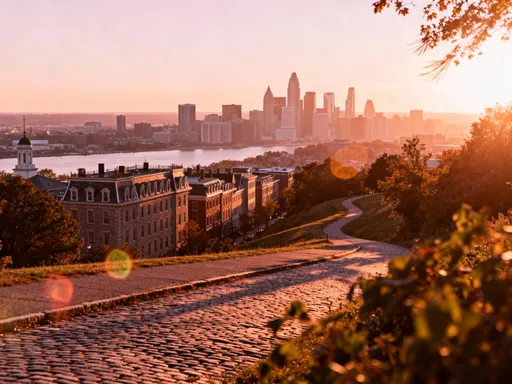
The old town of Lille, known as Vieux Lille, is a maze of narrow streets, ivy-covered courtyards, and 17th-century townhouses with ornate carvings. At first glance, it appears to be a picturesque stage set—charming, orderly, and thoroughly Instagrammed. But just beyond the boutique-lined avenues and souvenir shops lie hidden workshops where craftsmanship is still practiced with reverence. These are not curated for tourists; many have no signage, no websites, and only open by appointment or word of mouth. Finding them requires curiosity, a bit of local guidance, and a willingness to wander without a map.
One such atelier belongs to Madame Dubois, a fourth-generation lace maker whose family has worked in *dentelle* since the 1880s. Nestled in a quiet courtyard off Rue de la Monnaie, her studio is filled with delicate bobbins, intricate patterns, and the soft clatter of thread being woven by hand. The lace she produces—fine as spider silk, yet strong enough to last generations—is a direct link to Lille’s textile past, when the city was one of Europe’s leading centers for linen and lace production. Each piece takes days to complete, with patterns often inspired by Flemish botanical drawings or regional folk motifs. These are not mere decorations; they are heirlooms in the making, meant to be passed down, not discarded.
Not far away, in a converted 19th-century dye house, another artisan keeps the tradition of natural fabric coloring alive. Using plants like weld, madder, and woad, she creates rich, earth-toned dyes that change subtly with the light. The fabrics she treats—linen, cotton, and wool—are sourced from local farms and hand-dipped in small batches. The result is textiles that feel alive, each piece bearing slight variations that speak to its handmade origin. Unlike mass-produced fabrics, these materials age beautifully, softening with time rather than fading into uniformity.
What unites these artisans is not just skill, but a philosophy: that beauty lies in patience, and value in permanence. For travelers, visiting such workshops offers more than a shopping opportunity—it provides insight into a way of life that prioritizes care over convenience. To witness a craftsperson at work is to understand the weight of tradition, the dignity of labor, and the quiet joy of creating something lasting.
The Cheese That Changed My Mind About French Dairy
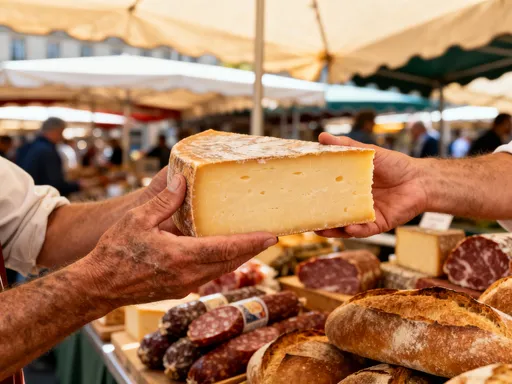
When most people think of French cheese, they imagine creamy bries from Île-de-France or sharp roquesforts from the south. Few consider the north, where the climate is cooler, the pastures shorter, and the flavors bolder. Yet it is here, in the region surrounding Lille, that one of France’s most distinctive cheeses is made: *Mimolette*. At first glance, it looks unlike any other—its spherical shape and deep orange hue make it stand out, but it’s the crust that truly surprises. Covered in a rough, pitted surface, it appears almost alien. What causes this unique texture? Tiny cheese mites—microscopic creatures that feed on the rind during aging, enhancing flavor and promoting natural fermentation.
Before you recoil, know this: the use of mites in *Mimolette* production is not only legal but carefully regulated. These mites, primarily *Tyrophagus casei*, are introduced in controlled environments and monitored throughout the aging process, which can last up to 24 months. The result is a cheese with a rich, nutty flavor and a crumbly, almost crystalline texture. Unlike the buttery softness of Camembert or the tang of goat cheese, *Mimolette* offers a more assertive taste—earthy, slightly sweet, with a hint of caramel. It’s a cheese that demands attention, best enjoyed in small slices with a glass of amber beer or a crisp apple.
I first tried *Mimolette* at a small *fromagerie* near Lille’s old market, run by a cheesemonger named Étienne who has been selecting and aging regional cheeses for over three decades. He explained that *Mimolette* was nearly lost in the mid-20th century, as industrial production favored smoother, milder cheeses. But thanks to a resurgence of local pride and a renewed interest in traditional methods, it has made a strong comeback. Today, only a handful of dairies in northern France still produce authentic *Mimolette*, using raw milk and natural aging processes.
For travelers, tasting *Mimolette* is more than a culinary experience—it’s a lesson in terroir and tradition. To appreciate it fully, serve it at room temperature, allowing the flavors to open up. Pair it with a slice of dark rye bread, some cornichons, and a pour of *Ambrée du Nord*, a malty local beer that complements its depth. And if you’re feeling adventurous, ask the cheesemonger to let you taste a wheel at different stages of aging—six months, 12 months, 18 months—to hear the story of time told through taste.
Liquid Gold: Lille’s Craft Beer Scene and Its Forgotten Roots
France is not typically associated with beer in the way Belgium or Germany are, yet in Lille, a quiet revolution has been brewing for years. Long before international craft beer became a trend, small *brasseries artisanales* in the city were reviving forgotten recipes, using local barley, wild yeast, and traditional fermentation techniques. The result is a beer culture that is deeply rooted in place—terroir-driven, complex, and full of character. These are not light lagers designed for mass consumption, but bold, flavorful brews that reflect the region’s history, climate, and craftsmanship.
One of the most emblematic is *Ambrée du Nord*, a copper-colored ale with a malty backbone, a touch of smoke, and a dry finish. Brewed in small batches, it draws inspiration from 19th-century recipes when Lille was a hub of industrial brewing. Unlike modern pasteurized beers, many of these artisanal brews are bottle-conditioned, meaning they continue to develop in flavor over time. Some even improve with age, much like wine. Another standout is *Blonde du Vieux Lille*, a crisp, floral beer fermented with wild yeast strains native to the region. Its delicate effervescence and subtle herbal notes make it a perfect companion to seafood or soft cheeses.
I visited one such brewery in the Wazemmes neighborhood, a former warehouse converted into a microbrewery by two brothers who returned to Lille after studying fermentation science in Brussels. Their operation is modest—just a few copper kettles, wooden barrels, and a chalkboard listing the day’s taps—but the passion is palpable. They source barley from local farms, use rainwater for brewing, and allow spontaneous fermentation in open-air coolships, a method that captures ambient yeast from the air. The result is beers that taste distinctly of Lille—earthy, nuanced, and alive.
For visitors, exploring Lille’s beer scene means stepping off the beaten path. Instead of crowded bars, seek out small tasting rooms, brewery tours, or the Thursday and Sunday markets in Wazemmes, where local brewers often set up stalls. Many offer guided tastings, explaining the history behind each brew and pairing suggestions. And don’t be afraid to ask questions—these brewers are not just artisans but educators, eager to share their knowledge. Whether you’re a seasoned beer enthusiast or simply curious, Lille’s liquid gold offers a rare chance to taste a tradition that has been quietly preserved, one pint at a time.
Linen That Feels Like a Secret
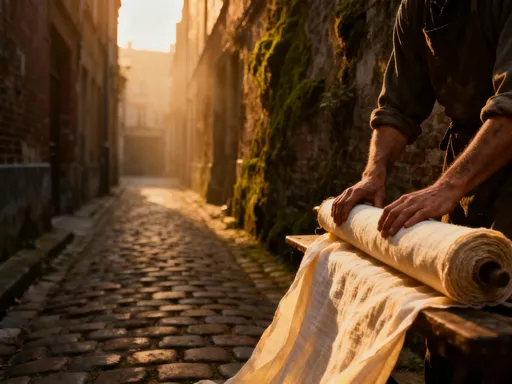
In a quiet alley near Place aux Oignons, behind a plain wooden door, I found a linen atelier that has been in the same family for four generations. Inside, bolts of fabric shimmered in the morning light—some in ivory, others in soft dove gray, all woven with a fineness that made them feel almost weightless. The owner, Claire Morel, explained that her family has been working with flax from the Picardy region since 1892. “This isn’t just fabric,” she said, running her hand over a folded sheet. “It’s memory. It’s resilience. It’s something that will outlive us all.”
Lille was once known as the linen capital of Europe, its factories supplying fine textiles to royalty and aristocrats across the continent. While industrialization shifted production elsewhere, a few dedicated weavers have kept the tradition alive. The flax used in these linens is grown in the fertile fields of northern France, where the cool, damp climate produces long, strong fibers. After harvesting, the stalks undergo a lengthy process of retting, scutching, and spinning—methods that have changed little in centuries. The result is a fabric that is not only luxuriously soft but also remarkably durable, becoming more supple with each wash.
What sets true French linen apart from mass-market alternatives is its authenticity. Many so-called “linen” products sold today are blends or imitations, treated with chemicals to mimic softness. In contrast, the linen made in Lille’s ateliers is 100% natural, undyed or colored with plant-based pigments, and woven on heritage looms. The sheets, tablecloths, and napkins produced here are designed to last decades, not seasons. They wrinkle—yes—but that’s part of their charm, a sign of honesty in material and making.
For travelers, purchasing linen in Lille is not just a luxury; it’s an investment in sustainability and heritage. Claire advised looking for labels that specify origin, fiber content, and production method. “If it’s too cheap,” she said with a knowing smile, “it’s not real.” She also recommended visiting during the late spring or early autumn, when new collections are unveiled and private viewings are sometimes offered. To own a piece of this linen is to carry a fragment of Lille’s quiet elegance—a soft, enduring reminder of craftsmanship that refuses to be forgotten.
Sweet Surprises: The Caramelized Sugar Legacy
No visit to Lille is complete without encountering *bêtises de Cambrai*, the hard mint candies that have been made in the nearby town of Cambrai since the 19th century. Originally created by Benedictine monks as a digestive aid, these small, striped lozenges have become a beloved regional treat. But what many tourists don’t realize is that *bêtises* come in far more than just mint. In small factories and family-run workshops, you can find flavors like lemon, violet, coffee, and even lavender—each made using the same traditional method: sugar syrup boiled in copper kettles, poured by hand onto marble slabs, and cut into perfect squares while still warm.
I visited one such factory, a modest brick building on the outskirts of Cambrai, where three generations of the same family have overseen production since 1910. The air inside was thick with the scent of caramelized sugar, and the rhythm of work was steady and precise. Workers in white aprons used long wooden paddles to stir the syrup, then pulled it into long ropes before slicing it into individual candies. The process has changed little over the decades, relying on skill and timing rather than automation. Each batch is made in small quantities, ensuring consistency and quality.
What makes *bêtises* special is not just their taste but their cultural significance. They are more than sweets—they are edible history, a link to a time when food was made slowly, with care. In Lille, you’ll find them sold in old-fashioned candy shops, market stalls, and even some cheese shops, where they are recommended as a palate cleanser after rich dishes. For visitors, the best way to experience them is to buy directly from a reputable producer or a local market, avoiding the plastic-wrapped versions sold at tourist kiosks.
Tasting a *bêtise* is a multisensory experience: the crunch of the hard candy, the slow release of flavor, the faint floral or herbal note depending on the variety. They last long in the mouth, encouraging you to savor, not rush. And because they are made without artificial preservatives, they carry a simplicity that modern candies often lack. To bring a box home is to carry a small piece of northern France’s culinary soul—one sweet, slow-dissolving moment at a time.
How to Experience Lille Like a Local Collector
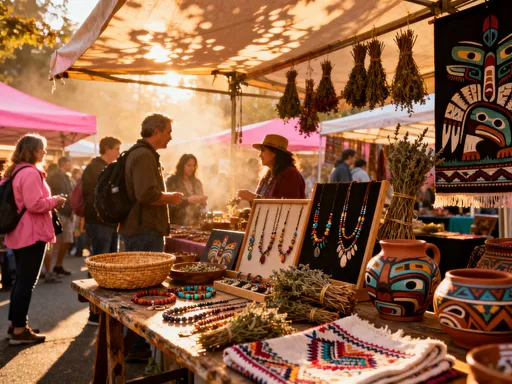
Most travelers experience Lille through its markets, museums, and historic sites—and rightly so. But to truly connect with the city’s spirit, you must step beyond the obvious. The best way to engage with Lille’s specialty products is not through shopping lists, but through relationships. Visit the Wazemmes Market on a Sunday morning, when local farmers, bakers, and cheesemongers set up their stalls under striped awnings. Come early, bring cash, and don’t be afraid to strike up a conversation. Ask how the cheese is aged, where the flax is grown, or what gives a beer its smoky note. Most artisans are proud of their work and happy to share their stories—if you show genuine interest.
Timing matters. Many ateliers and small producers are closed on Mondays and Tuesdays. The best days to visit are Wednesday through Saturday, especially in the late morning or early afternoon. Some workshops offer private tours or tastings, but these often require advance notice. A simple email or phone call can open doors that would otherwise remain closed. And while it’s tempting to fill a suitcase with souvenirs, focus instead on quality over quantity. One perfectly aged wheel of *Mimolette*, a single bolt of handwoven linen, or a small box of authentic *bêtises* can carry more meaning than a dozen mass-produced trinkets.
Respect is key. These are not performances for tourists; they are livelihoods. Ask before taking photos, listen more than you speak, and let the craftsperson guide the experience. When you do make a purchase, do so with gratitude. That linen sheet, that bottle of amber beer, that hand-cut candy—they are not just objects. They are the result of generations of knowledge, of hands that have shaped, stirred, and woven with care.
For the thoughtful traveler, Lille offers something rare: the chance to collect not things, but stories. Each item you bring home becomes a vessel of memory, a tangible connection to a place and its people. And in a world of fleeting experiences, that kind of depth is priceless.
The Quiet Power of Niche Travel
In an age of mass tourism, where destinations are often reduced to checklists and photo ops, seeking out specialty products in cities like Lille is an act of resistance. It is a choice to go deeper, to slow down, to listen. Each handmade linen towel, each aged cheese, each hand-poured candy represents more than a purchase—it represents a connection to people, to history, to a way of life that values patience, skill, and authenticity. These are not commodities; they are inheritances in the making.
By choosing to support small artisans, travelers do more than buy souvenirs—they help sustain traditions that might otherwise fade. They become part of a chain of care that stretches back centuries and forward into the future. And in return, they receive something far more valuable than a generic memento: a story, a relationship, a moment of real understanding.
So the next time you plan a trip, ask not just where to go, but what that place holds in its hands, in its soil, in its quiet corners. Who are the keepers of its memory? What are they still making, still preserving, still believing in? In Lille, the answers are waiting—in the backstreets, behind unmarked doors, in the hands of those who work without fanfare. All you need is the curiosity to look, and the heart to appreciate what you find.