You Won’t Believe What I Found Shopping in Geneva — It’s All About the Food
Geneva isn’t just luxury watches and lakeside views — it’s a food lover’s dream hidden in plain sight. I went shopping like a local and stumbled upon markets bursting with Swiss flavors, from creamy cheeses to handmade chocolates. What started as a simple stroll turned into a delicious adventure. If you think Geneva is all high-end boutiques, think again — the real magic happens where locals shop, eat, and savor life. The city’s culinary heartbeat pulses strongest not in five-star restaurants, but in bustling market squares, neighborhood grocers, and family-run delicatessens. This is where tradition meets taste, and every purchase feels like a quiet conversation with Swiss culture.
Why Geneva’s Shopping Scene Is More Than Just Luxury Brands
When most travelers think of Geneva, images of polished boutiques on Rue du Rhône or gold-trimmed watch displays come to mind. The city has long been associated with affluence, diplomacy, and high-end retail. While these elements are undeniably part of Geneva’s identity, they only tell half the story. Beneath the surface of its elegant façade lies a rich, everyday rhythm — one shaped not by designer labels, but by fresh bread, seasonal vegetables, and the warm aroma of melting cheese.
The shift from tourist-centered shopping to authentic local experiences has become a growing trend among thoughtful travelers. Instead of rushing from one luxury store to another, many now seek out the places where residents actually spend their time. In Geneva, that means stepping into markets, neighborhood co-ops, and small specialty shops where food is not just sold — it’s celebrated. These spaces offer a window into daily Swiss life, where quality, seasonality, and craftsmanship take center stage.
Food, in this context, becomes the heart of retail culture. Shopping is not merely transactional; it’s an act of connection — to land, to tradition, and to community. Whether it’s selecting a wheel of aged Gruyère or sampling honey from Lake Geneva’s shoreline hives, each choice reflects a deeper respect for origin and process. For visitors willing to look beyond the glitz, Geneva reveals itself as a city that values flavor as much as fashion, and where the most meaningful souvenirs are often edible.
Exploring the Heart of Local Flavor: Farmers’ Markets and Specialty Stores
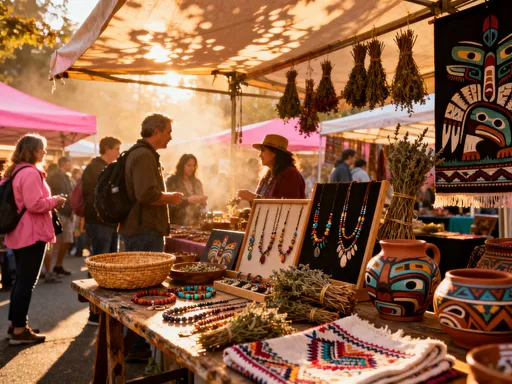
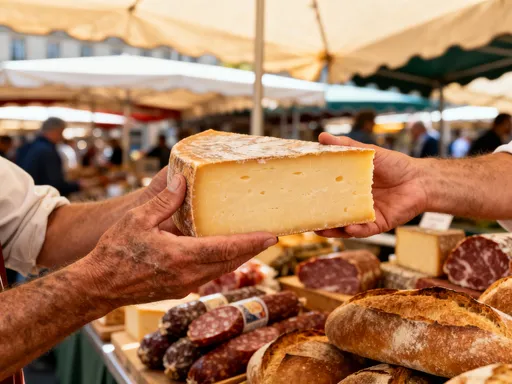
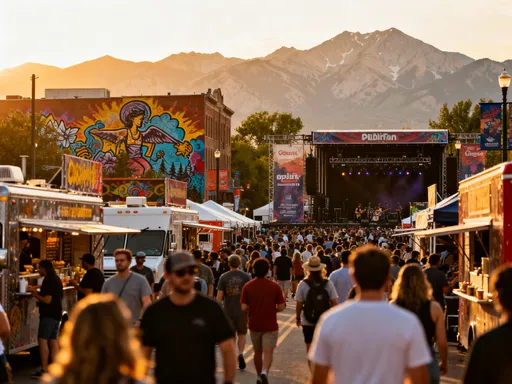
No experience captures the soul of Geneva’s food culture quite like its farmers’ markets. Among them, the Marché de Plainpalais stands out as a vibrant hub of local life. Held every Tuesday and Saturday along the edge of the Parc des Bastions, this market transforms the city square into a colorful mosaic of stalls brimming with seasonal produce, artisanal breads, and regional specialties. It’s not curated for tourists — it’s where Genevans come to shop, chat, and fill their reusable bags with the week’s essentials.
Walking through the market, the sensory details are impossible to ignore. Crates of ruby-red tomatoes glisten under the morning sun. Bunches of fresh herbs — thyme, parsley, chives — release their fragrance with every breeze. Vendors proudly display wheels of Vacherin Mont d’Or, a soft, seasonal cheese known for its rich, earthy aroma and creamy texture when baked. Nearby, a charcuterie stand offers slices of air-dried beef, locally known as Bündnerfleisch, alongside sausages spiced with juniper and garlic.
What makes these markets special is not just the quality of the goods, but the human connection they foster. Vendors often remember regular customers by name, offering recommendations or slicing an extra piece of cheese for a taste. Many are small-scale producers who travel hours to sell their goods, from organic goat cheese farmers in the Jura Mountains to beekeepers harvesting honey from alpine meadows. This direct link between producer and consumer ensures freshness and supports sustainable agriculture, reinforcing a system that values transparency and trust.
For visitors, browsing these stalls is more than shopping — it’s immersion. Tasting a warm, buttery ristetto (a traditional Genevan pastry) straight from the oven, or sampling a spoonful of honey infused with wild mountain flowers, offers a direct line to the region’s culinary heritage. These moments, simple yet profound, remind us that food is not just fuel, but memory, identity, and care.
From Shop to Table: The Swiss Grocery Experience
While farmers’ markets offer a direct connection to local producers, everyday life in Geneva also revolves around its well-organized, high-quality grocery stores. Chains like Migros and Coop are more than just supermarkets — they are pillars of Swiss food culture, blending convenience with an unwavering commitment to quality. These stores are often the first stop for families preparing weekend meals or picking up essentials, and they reflect the same values seen in open-air markets: freshness, sustainability, and regional pride.
Walking into a Coop Pronto or Migros City store in central Geneva, one is immediately struck by the cleanliness, order, and attention to detail. Shelves are neatly arranged, with labels clearly indicating origin, organic certification, and fair-trade status. The dairy section features an impressive array of Swiss cheeses — from nutty Appenzeller to mild Tête de Moine, each with its own story and terroir. The bread aisle showcases dense, dark rye loaves, crusty baguettes, and regional specialties like Zopf, a braided Sunday bread enriched with butter and milk.
One of the most distinctive aspects of grocery shopping in Geneva is the emphasis on self-service and personal responsibility. Unlike in many countries where clerks bag items, shoppers here are expected to pack their own groceries. Reusable bags are the norm, and customers are encouraged to sort recyclables on-site. This small but meaningful ritual reflects a broader cultural value: respect for resources and community. It’s not just about efficiency — it’s about mindfulness in daily actions.
For food-loving visitors, these supermarkets are treasure troves of local flavor. Unique products like filets de perche (fillets of perch from Lake Geneva), sold fresh or frozen, offer a taste of the region’s freshwater bounty. Shoppers can also find Rivella, a slightly herbal soft drink made from milk serum, or Ovomaltine, a malted chocolate drink beloved by Swiss families for generations. Even the frozen section includes ready-made dishes like Malakoff (fried cheese fritters) or Cholera (a savory potato and cheese pancake), allowing locals to enjoy regional comfort food with minimal effort.
Sweet Stops: Chocolate and Pastry Shops You Can’t Miss
No exploration of Geneva’s food culture would be complete without indulging in its world-renowned chocolate. The city has long been a center of artisanal confectionery, where time-honored techniques meet exquisite flavor. Unlike mass-produced sweets, Geneva’s chocolates are often hand-crafted in small batches, using high-quality cocoa and local ingredients like hazelnuts, honey, and alpine cream.
Among the most respected names in Geneva’s chocolate scene are Auer and Favarger — two real, established chocolatiers with deep roots in Swiss tradition. Auer, founded in 1850 and located near the lakeside promenade, is famous for its delicate pralines and elegant packaging. Their signature ganache au kirsch, infused with cherry brandy, is a favorite among locals and visitors alike. Favarger, though based just outside Geneva in Versoix, has earned a loyal following for its smooth textures and creative flavor combinations, such as lavender-infused dark chocolate or salted caramel with local honey.
What sets these shops apart is not just taste, but the experience of purchasing chocolate as a cultural artifact. Watching a chocolatier hand-dip truffles or layer delicate ganache into molds is like witnessing a form of edible artistry. Many shops offer tastings, allowing customers to sample before buying — a practice that underscores confidence in quality and invites engagement.
For visitors, buying chocolate in Geneva feels less like a souvenir and more like taking home a piece of heritage. Each box carries the weight of centuries-old Swiss dedication to precision, craftsmanship, and sensory pleasure. Whether gifted to a loved one or savored slowly over days, these chocolates serve as edible reminders of a city that treats sweetness not as indulgence, but as an art form.
Hidden Gems: Small Producers and Off-the-Beaten-Path Delicatessens
Beyond the well-known markets and chocolatiers, Geneva harbors a network of hidden culinary treasures — small producers and family-run delicatessens that thrive on authenticity and passion. These spots are rarely advertised, often found through word of mouth or quiet exploration. They represent the quieter, more intimate side of Geneva’s food culture, where sustainability, local sourcing, and craftsmanship are not marketing slogans, but daily practice.
One such gem is a small fromagerie in the Carouge district, known for aging its own cheeses in a temperature-controlled cellar. Here, wheels of Tomme de Genthod or Banquette are carefully turned and brushed by hand, developing complex flavors over weeks or months. The owner, a third-generation affineur, speaks with quiet pride about the microbial cultures that shape each cheese’s character, treating them almost like living things.
Another discovery is a tucked-away shop specializing in regional wines from the Lavaux and Côte vineyards along Lake Geneva’s northern shore. These terraced vineyards, a UNESCO World Heritage site, produce crisp white wines like Chasselas, known locally as Fendant. The shop’s owner curates a rotating selection of small-batch vintages, often from family-owned wineries that practice organic or biodynamic farming. Tastings are informal but informative, encouraging visitors to appreciate the subtle differences between a wine from a sunny south-facing slope versus one grown in cooler clay soil.
Other hidden finds include apothecary-style shops selling herbal teas made from alpine plants, or bakeries where sourdough is fermented for 48 hours using wild yeast. These places are not designed for mass appeal — they cater to those who value depth over convenience, and who are willing to slow down to savor the details. For travelers seeking to avoid tourist traps, the key is to look for signs of authenticity: handwritten labels, limited hours, and a lack of English signage. These are often indicators of a true local establishment, where the focus is on craft, not commerce.
Practical Tips for Food-Focused Shopping in Geneva
To fully enjoy Geneva’s food culture, a few practical considerations can make a big difference. Timing is essential — markets like Marché de Plainpalais are busiest on Saturday mornings, so arriving early ensures the best selection and fewer crowds. Tuesdays tend to be quieter, offering a more relaxed pace for browsing and conversation with vendors.
When it comes to payment, most vendors and shops accept credit cards, but it’s wise to carry some Swiss francs in small denominations. Many market stalls still prefer cash for quick transactions, and having a few coins on hand makes it easier to sample items or buy small portions. Prices in Geneva can be high by international standards, but portion sizes are often generous — a single slice of cheese or chocolate may be enough to share or savor over time.
Packing smart is another key to success. Bringing a foldable reusable bag is not just eco-friendly — it’s practically expected. Many stores no longer provide plastic bags, and even paper ones may come at a small cost. A small cooler bag with an ice pack can be invaluable for storing perishable items like cheese, chocolate, or fresh fish, especially if you’re traveling without immediate access to refrigeration.
Language is rarely a barrier — most locals in Geneva speak French, but English is widely understood, especially in food shops and markets. A simple “Bonjour” when entering a store goes a long way, and a polite “Merci” when leaving is always appreciated. Don’t hesitate to ask questions — many vendors are happy to explain their products, offer serving suggestions, or recommend pairings. This openness is part of what makes Geneva’s food culture so welcoming.
How Food Shopping in Geneva Transforms Your Travel Experience
Engaging with Geneva’s food systems does more than satisfy hunger — it deepens cultural understanding in a way that sightseeing alone cannot. When you shop where locals shop, you step into their daily rhythms, their values, and their traditions. You begin to see the city not as a postcard, but as a living, breathing community shaped by seasons, craftsmanship, and care.
There is a fundamental difference between eating in a city and eating with its people. One is observation; the other is participation. Choosing a ripe peach from a farmer’s stand, learning how to store Vacherin properly, or sharing a smile with a baker who hands you a warm sample — these moments create connections that last far longer than any photograph.
Geneva’s quiet charm lies not in its storefronts, but in what fills them: tradition, flavor, and pride. The city invites travelers to look beyond the surface of luxury and discover the richness of its everyday life. In doing so, we don’t just visit Geneva — we taste it, carry it with us, and remember it not just as a place, but as a feeling of warmth, welcome, and well-being.
So the next time you find yourself in Geneva, skip the watch boutique for just one morning. Let the market guide your steps, let your senses lead the way, and let the city’s food tell you its true story. You might just leave with more than a bag of groceries — you might leave with a deeper understanding of what it means to live well.