Where Water Roars and Culture Dances: The Soul of Iguazu Falls
Standing before Iguazu Falls, I felt nature’s raw power vibrating through my chest—yet what moved me most wasn’t just the thundering cascades, but the living art and culture thriving around them. Beyond the postcard views, indigenous traditions, vibrant street murals, and local music tell a deeper story. This isn’t just a natural wonder; it’s a cultural heartbeat. Let me take you where few tourists go—into the soul of Brazil’s Iguazu.
The First Glimpse: Arriving at a Natural and Cultural Giant
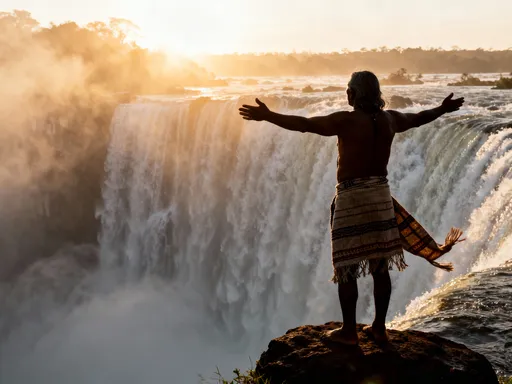
As visitors approach Iguazu Falls from the Brazilian side, the first sign of its magnitude isn’t visual—it’s auditory. A low, continuous rumble grows steadily louder, like distant thunder refusing to pass. Then comes the mist, rising in silver veils above the treetops, catching the sunlight in fleeting rainbows. By the time the walkway opens to the panoramic viewing platform, the full force of the falls reveals itself: 275 individual cascades spread across nearly two miles of the Iguazu River, plunging up to 269 feet into the churning gorge below. The scale is humbling, the air charged with energy.
Yet beyond the physical awe, there is a quiet sense of reverence that settles over many who stand here. This landscape does not merely inspire admiration—it stirs something deeper. Artists, poets, and spiritual seekers have long been drawn to Iguazu, compelled to translate its power into song, paint, and story. The sheer volume of water—averaging 1,756 cubic meters per second—mirrors the abundance of cultural expression that surrounds it. Every vantage point offers not just a view of nature, but a reminder of humanity’s enduring need to respond to beauty with creation.
The Brazilian side of the falls provides the most expansive overview, allowing travelers to grasp the full breadth of this natural marvel. Elevated walkways weave through the rainforest canopy, offering sweeping perspectives of the Devil’s Throat, the largest and most powerful of the falls. Here, the water crashes down in a thunderous column, sending up clouds of spray that dampen the skin and cool the air. It is impossible to stand here without feeling small—and yet, paradoxically, deeply connected. This connection has shaped local culture for centuries, serving as both muse and sanctuary.
Voices of the Land: The Guaraní Heritage Behind the Falls
Long before Iguazu became a destination for international travelers, it was sacred ground for the Guaraní people, whose presence in the region dates back over a thousand years. To the Guaraní, the falls are not just a geographical feature but a spiritual entity, known in their language as *Yguazú*, meaning “great water.” Their creation myths speak of a divine romance between a god and a mortal woman, whose escape down the river in a canoe was interrupted by her jealous husband, who split the river in two—giving birth to the cascades. This legend is more than folklore; it reflects a worldview in which nature and spirit are inseparable.
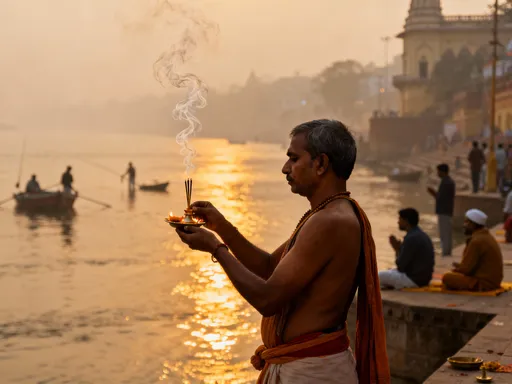
The Guaraní cosmology sees the natural world as alive with spiritual forces, and Iguazu is considered one of its most potent centers. Certain rock formations, hidden waterfalls, and ancient trees are believed to be inhabited by ancestral spirits or protective deities. Even today, some elders perform quiet rituals near the riverbanks, offering prayers and natural offerings in a tradition passed down orally through generations. These practices are not theatrical performances for tourists but intimate acts of continuity, preserving a way of life that honors balance and reciprocity with the earth.
Despite centuries of displacement and cultural erosion, the Guaraní continue to assert their identity in the region. In nearby communities such as Aldeia Buriti and Morro dos Macacos, families maintain traditional crafts, language, and agricultural methods. Bilingual education programs in local schools now include Guaraní language instruction, helping to reverse decades of decline. Cultural centers and cooperatives support the revival of traditional weaving, using natural dyes and patterns that reflect the colors and rhythms of the rainforest. These efforts are not about preserving a static past, but about ensuring that Guaraní culture remains dynamic and relevant.
Art in Motion: Murals, Music, and Dance in Foz do Iguaçu
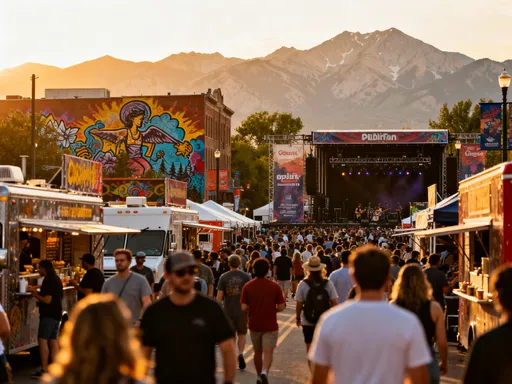
Foz do Iguaçu, the bustling city that serves as the gateway to the falls, pulses with creative energy. As visitors transition from the quiet of the rainforest to urban life, they are met with a surprising burst of color and sound. Along the city’s main avenues and side streets, large-scale murals cover building facades, transforming concrete walls into vibrant storytelling canvases. These works often depict scenes from Guaraní mythology, native wildlife, and the flowing waters of Iguazu, blending ancestral themes with contemporary artistic styles. Local artists use these public spaces to celebrate identity, resilience, and environmental awareness.
Music, too, plays a central role in the cultural life of Foz do Iguaçu. On weekend evenings, plazas and riverfront promenades come alive with live performances. Drum circles echo with rhythms rooted in Afro-Brazilian traditions, while folk ensembles play stringed instruments like the viola caipira, accompanying dancers in flowing skirts and feathered headdresses. These dances often draw from indigenous and rural Brazilian influences, creating a living tapestry of regional expression. Tourists are not just spectators; many are invited to join in, learning simple steps and clapping patterns that foster a sense of shared joy and community.
The city’s multicultural makeup—shaped by its location at the tri-border area of Brazil, Argentina, and Paraguay—further enriches its artistic landscape. Annual festivals such as the Festa do Imigrante celebrate the contributions of Italian, Lebanese, Japanese, and German descendants, while also honoring the indigenous and mestizo roots of the region. During these events, food stalls offer empanadas, kibe, and grilled meats, while dance troupes perform a rotating sequence of cultural traditions. This harmonious blending of influences is not without challenges, but it reflects a spirit of coexistence that defines the city’s character.
Crafting Identity: Local Artisans and Their Living Traditions
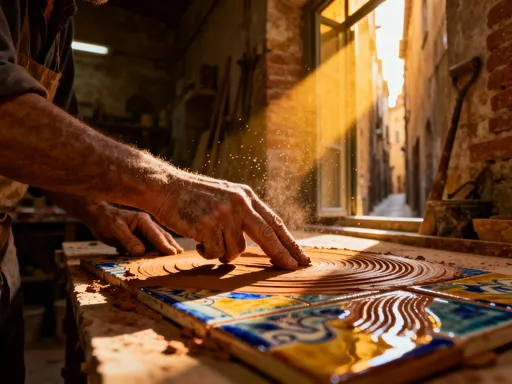
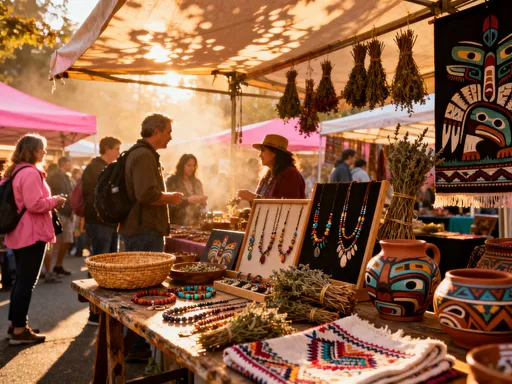
One of the most meaningful ways to connect with the culture of Iguazu is through its artisan markets, where handmade crafts tell stories of heritage, resistance, and innovation. At the Mercado de Artesanato de Foz do Iguaçu, visitors can explore stalls filled with woven baskets, carved gourds, and intricately painted ceramics. Many of these items are produced by indigenous women’s cooperatives or family-run workshops that have preserved their techniques for generations. Each piece carries symbolic meaning—geometric patterns may represent river currents, while animal motifs honor forest spirits.
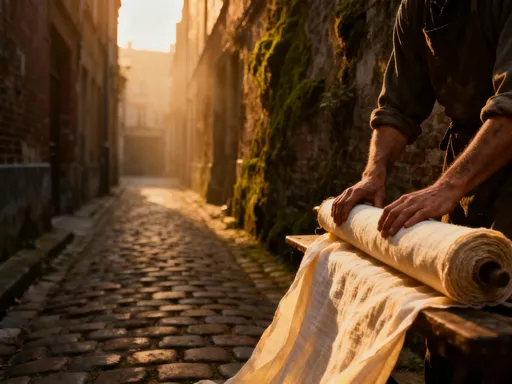
The art of weaving, in particular, holds deep cultural significance. Among the Guaraní, textile creation is more than a skill—it is a form of spiritual expression. Women use backstrap looms to produce colorful belts, shawls, and ceremonial garments, often incorporating motifs that reflect their cosmology. The threads are dyed with natural pigments extracted from plants such as urucum (annatto) and jenipapo, connecting the craft directly to the surrounding rainforest. These textiles are not mass-produced souvenirs; each one requires days or even weeks of labor, embodying patience, memory, and intention.
Supporting these artisans goes beyond tourism—it sustains entire communities. Fair-trade cooperatives like Coopart and Artesanato Guarani have emerged to ensure that creators receive equitable compensation and retain ownership of their cultural heritage. These organizations also provide training in business skills, packaging, and sustainable sourcing, empowering artisans to reach broader markets without compromising authenticity. When travelers choose to purchase directly from these cooperatives, they participate in a cycle of respect and reciprocity, helping to preserve traditions that might otherwise fade.
Sacred Spaces and Creative Expression: Where Nature Meets Spirituality
Just outside the official boundaries of Iguazu National Park, tucked along quiet forest trails and river bends, lie small shrines and open-air galleries that reveal the spiritual dimension of the region. Some are modest wooden altars adorned with candles, flowers, and handwritten prayers; others are contemporary art installations made from recycled materials, reflecting on themes of water, time, and transformation. These spaces are not formal religious sites, but organic expressions of reverence—places where locals come to meditate, reflect, or simply sit in silence beside the flowing river.
For many artists, the falls serve as both muse and meditation partner. Poets speak of the “white noise of eternity” that clears the mind, allowing inspiration to rise like mist from the gorge. Painters describe the challenge of capturing not the image of the falls, but their essence—the feeling of standing before something ancient and uncontainable. Sculptors have been known to work with stones gathered from the riverbed, shaping them into abstract forms that echo the movement of water. This deep interplay between nature and creativity suggests that Iguazu is not just a place to visit, but a force that shapes consciousness.
Interviews with local creators reveal a common thread: the falls are seen as a teacher. One ceramicist shared how the sound of rushing water helped her overcome creative blocks during a difficult period in her life. A dancer described how the rhythm of the cascades influenced the flow of her movements, making her performances more grounded and fluid. These personal testimonies underscore a broader truth—the cultural vitality of Iguazu is not separate from its natural environment, but born from it. To protect the falls is not only an ecological imperative but a cultural one.
Beyond the Viewpoints: Immersive Cultural Experiences Near the Falls
While the main tourist trails offer breathtaking views, a growing number of community-led initiatives invite visitors to go deeper. Guided cultural tours, led by local ambassadors from Guaraní and mestizo backgrounds, provide intimate access to traditions often overlooked by mainstream tourism. These walks may include visits to family farms where cassava and banana are grown using agroforestry methods, storytelling sessions under shaded patios, or demonstrations of traditional canoe-building using sustainably harvested wood.
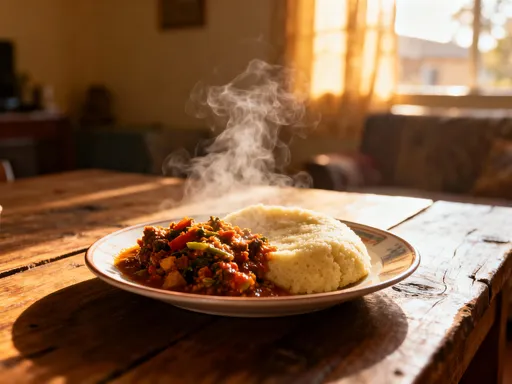
Culinary experiences also offer a rich entry point into local culture. Cooking workshops in Foz do Iguaçu allow participants to prepare regional dishes such as *sopa paraguaya* (a savory cornbread), *chipa* (cheese bread made with cassava flour), and *barreado* (a slow-cooked beef stew originally prepared by gaúcho cowboys). Many of these recipes have indigenous roots, adapted over time through contact with European and African culinary traditions. Learning to make them is not just about technique—it’s about understanding the history carried in every ingredient and flavor.
Ethical cultural encounters are carefully designed to respect the dignity and autonomy of local communities. Rather than staged performances for tourist consumption, these experiences are collaborative and educational. Visitors might learn to weave a simple basket, play a basic rhythm on a traditional drum, or dance a few steps of a ceremonial circle. The emphasis is on participation, not performance. Fees from these activities support community projects, from youth education programs to environmental restoration efforts, ensuring that tourism contributes meaningfully to local well-being.
Traveling with Meaning: How to Respect and Support Local Culture
As global interest in Iguazu continues to grow, so does the responsibility to travel mindfully. Respecting local culture begins with awareness—recognizing that every artifact, song, and ritual has context and significance beyond entertainment. When visiting artisan markets, choosing items made by local hands rather than imported imitations helps sustain authentic traditions. Engaging with cultural performances as a guest, not a consumer, means listening more than speaking, observing before participating, and always asking permission before photographing people or sacred spaces.
Travelers can also make intentional choices about where they spend their money. Opting for community-run tours over large commercial operators ensures that economic benefits stay within the region. Staying in locally owned guesthouses or eco-lodges supports sustainable development and reduces environmental impact. Even small decisions—like carrying a reusable water bottle to reduce plastic waste—contribute to the long-term health of the ecosystem that sustains both nature and culture.
Perhaps most importantly, meaningful travel involves a shift in mindset. It means approaching Iguazu not as a destination to conquer or photograph, but as a living community to honor. It means understanding that the beauty of the falls is inseparable from the people who have lived beside them for generations. When visitors listen to stories, learn a few words in Guaraní, or simply sit quietly by the river, they become part of a reciprocal relationship—one that values preservation over profit, connection over convenience.
The future of Iguazu depends on this kind of conscious engagement. As climate change and mass tourism pose increasing threats, the role of the responsible traveler becomes more vital. By supporting cultural preservation, respecting sacred spaces, and amplifying local voices, visitors help ensure that the soul of Iguazu remains as vibrant as its waters. This is not just sustainable tourism—it is cultural stewardship.
Iguazu Falls is more than a UNESCO site or a bucket-list photo op—it’s a living canvas where water, history, and human expression converge. When we travel here, we don’t just witness beauty; we become part of an ongoing story. By listening to its people, honoring their art, and treading with respect, we help ensure that the soul of Iguazu continues to flow as powerfully as its waters.