What Happens When You Drive Beyond Havana’s Streets? Nature Awaits
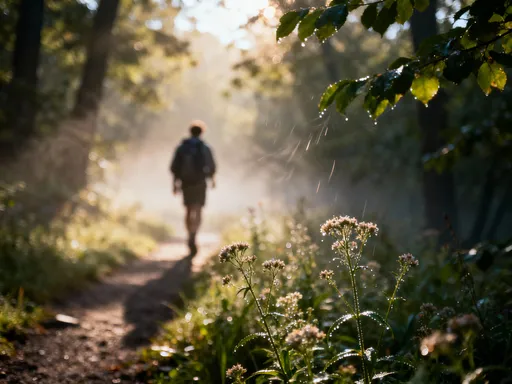
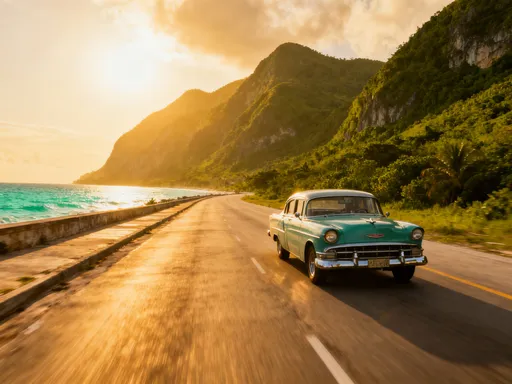
You know that classic image of Havana—colorful cars, colonial buildings, salsa in the air? Yeah, it’s real. But what if I told you just a few hours outside the city, untouched nature takes over? I grabbed the keys, hit the open road, and discovered a Cuba most tourists never see—lush forests, hidden coves, and coastlines with zero crowds. This is more than a road trip; it’s a raw, authentic escape where rhythm slows and beauty speaks for itself. Away from the curated tours and postcard corners, Cuba reveals its soul not in monuments, but in the quiet rustle of palm trees, the hush of coastal mangroves, and the mist rising over limestone hills at dawn. This journey isn’t just about distance—it’s about depth, about trading noise for stillness and discovering a country that thrives beyond its capital.
Why Go Self-Driving in Cuba?
For most visitors, Cuba unfolds within the boundaries of Havana, Varadero, or Santiago—well-trodden destinations served by tour buses and fixed itineraries. But the true heartbeat of the island pulses just beyond the asphalt edges of the capital, accessible only to those willing to take the wheel. Self-driving in Cuba offers a rare form of freedom: the ability to pause at a roadside mango stand, follow a dirt path to a secluded beach, or spend an unplanned hour watching farmers tend to tobacco under a wide Caribbean sky. Unlike guided group excursions, which operate on strict schedules and predetermined stops, driving your own vehicle allows for spontaneity, intimacy, and a deeper connection to the land and its people.
Renting a car in Cuba is a straightforward process, though one that requires preparation. Travelers can choose from classic American cars maintained for tourism or more practical modern vehicles, often compact 4x4s or sedans available through state-run rental agencies like Cubacar, Rex, or Havanautos. While the vintage cars are iconic and full of charm, they may not be the most reliable for long-distance travel on Cuba’s uneven roads. Modern rentals, though more expensive and sometimes in limited supply, offer better fuel efficiency, air conditioning, and smoother handling—important considerations for multi-day trips into rural areas. All rentals require a valid driver’s license from your home country, an international driving permit, and a credit card for the security deposit.
Driving in Cuba is an experience in contrasts. Roads near Havana are generally paved and well-maintained, but as you move into the countryside, surfaces can deteriorate quickly. Potholes, gravel patches, and sections of crumbling asphalt are common, especially after rain. Traffic is light outside major cities, but drivers must remain alert for wandering livestock, cyclists, and horse-drawn carts sharing the road. Road signs are sparse and often faded, making navigation a challenge without proper tools. Despite these quirks, Cuban drivers tend to be courteous, and the pace of travel is naturally slow, encouraging mindfulness rather than haste.
What makes self-driving so rewarding is the autonomy it provides. You decide when to stop for coffee in a small town, how long to linger at a scenic overlook, or whether to detour to a local festival heard from a passing conversation. This control transforms a simple transfer between cities into a journey of discovery. For travelers seeking authenticity—those who want to see Cuba not as a curated exhibit but as a living, breathing country—driving is not just convenient; it’s essential. It allows you to witness daily life unfold in real time, from farmers harvesting sugarcane to children waving from rural bus stops. In a nation where connection and resilience define the culture, the open road becomes a bridge to understanding.
The Allure of Cuba’s Natural Landscapes Near Havana
Just a short drive from Havana’s vibrant streets, the island’s natural character begins to emerge. The urban energy gives way to rolling hills, salt-kissed coastlines, and ecosystems preserved by isolation and conservation efforts. While many tourists remain unaware of these nearby treasures, the regions within a two- to four-hour drive offer some of Cuba’s most striking landscapes. These areas are not just scenic backdrops—they are living environments shaped by centuries of ecological balance and human stewardship.
One of the first transitions travelers notice is the shift in vegetation. Outside the city, palm groves and dry forests dominate, with species like royal palms, gumbo-limbo trees, and spiny cacti adapted to the tropical climate. Along the northern coast, mangrove forests fringe the shoreline, serving as vital nurseries for fish and buffers against storm surges. Inland, the terrain becomes more varied, with limestone formations, sinkholes, and seasonal wetlands supporting a surprising diversity of life. These ecosystems are protected in part by Cuba’s national park system and a long-standing emphasis on environmental preservation, even amid economic challenges.
The Sierra de los Órganos mountain range, stretching westward from Havana, forms a dramatic backdrop to much of the island’s western landscape. Though not towering in elevation, these hills are densely forested and rich in biodiversity. The range includes protected areas like the Viñales Valley, where steep mogotes—rounded limestone hills—rise abruptly from fertile farmland. To the south, the Bay of Pigs coastline tells a different story: a flat, marshy region dotted with lagoons and scrub forests, now celebrated more for its ecological value than its historical events. Further west, the Guanahacabibes Peninsula remains one of Cuba’s most remote and pristine areas, a UNESCO Biosphere Reserve with untouched beaches and coral reefs.
What makes these natural regions so compelling is their contrast to Havana’s energy. In the capital, life moves to the rhythm of music, conversation, and constant motion. In the countryside, the pace slows. Time is marked by the sun’s arc, the tides, and the seasons of planting and harvest. This shift invites travelers to recalibrate their expectations—to appreciate stillness as much as spectacle. Whether it’s the sight of a flock of ibises taking flight at dusk or the sound of waves breaking on a deserted shore, these moments of quiet beauty offer a deeper understanding of Cuba’s identity. The island is not only a cultural gem but a natural one, where conservation and tradition walk hand in hand.
Top Natural Destination #1: Viñales Valley – A Living Postcard
Approximately two hours west of Havana, the road curves into the Viñales Valley, a landscape so striking it feels almost surreal. Recognized as a UNESCO World Heritage Site, this valley is defined by its mogotes—massive, rounded limestone hills that rise like ancient sentinels from the fertile soil below. Nestled between them are tobacco farms, rustic wooden houses, and trails that lead into caves and forests. Viñales is not just a destination; it’s a living testament to Cuba’s agricultural heritage and ecological richness.
The drive to Viñales itself is part of the experience. As the city fades behind, the road passes through small towns like San Cristóbal and Los Palacios, where roadside stands sell fresh fruit, honey, and homemade cheese. Farmers wave from fields of yucca and plantains, and the scent of earth and vegetation fills the air. Upon arrival, visitors are often struck by the valley’s tranquility. There are no high-rise hotels or commercial developments—just family-run farms and guesthouses known as casas particulares, where hosts serve meals made from ingredients grown on-site.
One of the most immersive ways to experience Viñales is through its tobacco farms, or vegas. Many offer guided tours where visitors can learn about the entire process of cigar production, from planting and curing to rolling. These tours are led by local farmers who take pride in their craft, often demonstrating techniques passed down through generations. Travelers can try their hand at rolling a cigar or simply enjoy a freshly cut leaf, its aroma rich and earthy. This connection to tradition is not performative—it’s real, daily work that sustains families and defines the region’s identity.
For nature lovers, Viñales offers a wealth of outdoor activities. Hiking trails wind through the mogotes, leading to viewpoints with panoramic vistas of the valley. One popular route takes visitors to the summit of El Mogote, where a cross marks the top and the wind carries the scent of wild herbs. The valley is also home to several caves, the most famous being Cueva del Indio, a limestone cavern accessible by boat and foot. Inside, stalactites and stalagmites glisten in the dim light, and the echoes of dripping water create a meditative atmosphere. Nearby, the Cueva de San Miguel offers a shorter, more accessible cave experience with interpretive signage about the region’s geology.
Water plays a central role in Viñales’ natural appeal. Natural springs and small rivers provide cooling dips on warm days, and some farms have developed swimming areas for guests. Horseback riding is another popular activity, allowing travelers to cross open fields, ford shallow streams, and explore hidden corners of the valley at a gentle pace. These rides often end with a traditional Cuban lunch—fried plantains, black beans, and grilled pork—served under a thatched roof.
What makes Viñales truly special is its balance of beauty and authenticity. It is not a theme park version of rural life but a functioning agricultural community that welcomes visitors with openness and warmth. The valley’s preservation is due in part to its UNESCO status, which limits development and encourages sustainable tourism. For travelers, this means an opportunity to engage with nature and culture in a way that feels meaningful and respectful. In Viñales, every sunset over the mogotes is a reminder of how deeply land and livelihood are intertwined.
Top Natural Destination #2: Playa Jibacoa – Coastal Serenity Within Reach
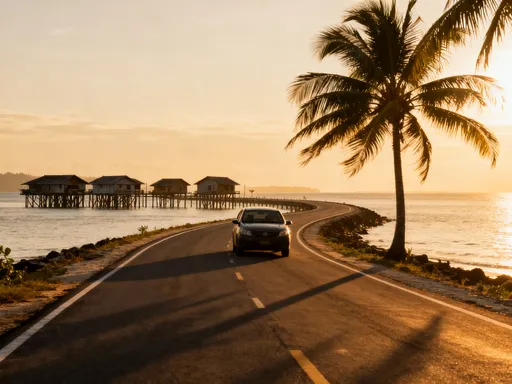
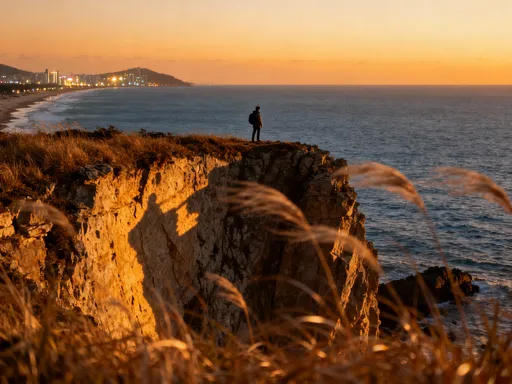
Just an hour’s drive east of Havana along the northern coastline, Playa Jibacoa offers a peaceful retreat from the city’s bustle. Unlike the crowded beaches of Varadero, Jibacoa remains relatively undiscovered, a quiet stretch of shore where turquoise waters meet rocky bluffs and patches of soft sand. The road to Jibacoa winds through coastal farmland and small fishing communities, with glimpses of the sea appearing between palm trees and low hills. This gradual reveal builds anticipation, as if the landscape is inviting travelers to slow down and savor the approach.
Jibacoa’s beach is a mix of pebbles and fine sand, backed by lush vegetation and scattered casas particulares perched on the cliffs. The water is clear and calm, ideal for swimming and snorkeling. Coral formations lie just offshore, home to colorful fish, sea urchins, and the occasional octopus. Kayaking is also popular, allowing visitors to explore hidden coves and sea caves that are inaccessible by foot. The coastline here is undeveloped—there are no large resorts, no beach vendors hawking souvenirs, and no loud music. Instead, the sounds are natural: waves lapping the shore, seabirds calling overhead, and the rustle of leaves in the breeze.
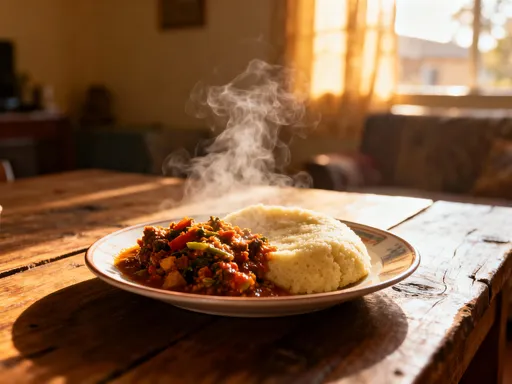
Staying in a casa particular in Jibacoa enhances the sense of immersion. Many of these family-run guesthouses offer sea views, home-cooked meals, and warm hospitality. Breakfast might include fresh papaya, homemade bread, and strong Cuban coffee. Dinners often feature locally caught seafood—grilled lobster, fried snapper, or shrimp in garlic sauce—prepared with simple, flavorful ingredients. Hosts are typically eager to share stories about life in the village, from fishing traditions to local festivals, creating a personal connection that mass tourism often lacks.
The surrounding area offers additional opportunities for exploration. A short hike along the coast leads to secluded coves where the only footprints in the sand are likely your own. Inland, trails pass through dry forests and open fields, where farmers tend to small plots of vegetables and fruit trees. Birdwatchers may spot Cuban trogons, the national bird, or bananaquits flitting among the branches. The pace of life here is unhurried, shaped by the rhythms of the sea and the seasons.
What makes Jibacoa so appealing is its simplicity. There are no elaborate attractions or scheduled tours—just the chance to relax, reconnect with nature, and experience a slice of coastal Cuban life. For families, couples, or solo travelers seeking peace, it offers a rare kind of luxury: the freedom to do nothing but listen to the waves and feel the sun on your skin. In a world that often values constant activity, Jibacoa reminds us that true rest is found in stillness, and beauty often lies in the quietest places.
Top Natural Destination #3: Laguna de Leche & Northern Cays
Heading north from Havana toward the province of Matanzas, drivers reach one of Cuba’s most unique natural features: Laguna de Leche, the largest natural lake in the country. Its name, which means “Milk Lagoon,” comes from the water’s distinctive milky-blue hue, caused by high concentrations of calcium carbonate from surrounding limestone deposits. Surrounded by dry forest, salt flats, and scrubland, the lagoon is a striking contrast to the island’s typical coastal imagery. Though not a conventional beach destination, it holds a quiet beauty and ecological importance that make it worth the journey.
The route to Laguna de Leche passes through rural towns and agricultural zones, with occasional views of wind turbines and sugarcane fields. The lagoon itself is located near the town of Caibarién, once a bustling port and now a quiet community with a strong connection to the sea. While swimming is not recommended due to the water’s mineral content and protected status, the shoreline offers excellent opportunities for birdwatching and photography. Herons, egrets, and roseate spoonbills are commonly seen, and during migration seasons, the area attracts even more species.
Nearby, access points to the northern cays—small, low-lying islands along the coast—open up further natural exploration. Cayo Santa María and Cayo Ensenachos are part of a chain of keys connected by a long causeway, offering pristine beaches, coral reefs, and protected marine environments. These cays are less crowded than other resort areas, partly due to their location and limited access. Visitors can enjoy snorkeling, kayaking, or simply walking along powdery white sands with no footprints in sight.
What sets this region apart is its sense of seclusion. Unlike the more commercialized cays in other parts of Cuba, these islands retain a wild, untouched quality. There are no large hotels on the immediate shores of Laguna de Leche, and development is minimal. This preservation is due in part to environmental protections and the area’s relative remoteness. For travelers, it means an opportunity to experience Cuba’s coastal ecosystems in their natural state—unfiltered and unaltered.
The journey to Laguna de Leche and the northern cays is not about luxury or convenience; it’s about discovery. It rewards those who are willing to travel a little farther, to embrace the unexpected, and to appreciate landscapes that do not conform to tropical postcard standards. Here, beauty is not in perfection but in authenticity—in the way the light reflects off the milky water, in the call of a distant bird, in the feeling of being truly off the beaten path.
Practical Tips for a Safe and Smooth Self-Drive Adventure
While self-driving in Cuba offers unparalleled freedom, it also requires preparation and adaptability. The island’s infrastructure, while improving, presents challenges that travelers must navigate with patience and practicality. Fuel availability is one of the most critical considerations. Gas stations exist along major highways, but supplies can be inconsistent, especially in rural areas. It is wise to refuel whenever possible, even if the tank is not low. Carrying extra cash in Cuban pesos (CUP) is essential, as fuel purchases are typically made in local currency, and not all stations accept foreign cards.
Navigation is another key factor. Road signs are often minimal or in poor condition, and GPS signals can be unreliable in remote regions. Downloading offline maps before departure—using apps like Maps.me or Google Maps in offline mode—is highly recommended. Printed maps or detailed route notes can serve as backups. Many travelers also find it helpful to ask for directions at gas stations, small stores, or police checkpoints, where locals are generally willing to assist.
Police checkpoints are common on intercity roads, and drivers should be prepared to stop and present documentation, including the rental agreement, driver’s license, and international permit. These stops are routine and not cause for concern, but having all papers organized and accessible will make the process smoother. It is also advisable to avoid driving at night, as road lighting is limited and visibility can be poor.
Packing essentials enhances comfort and safety. A supply of water, non-perishable snacks, a flashlight, and a basic toolkit can be invaluable on long drives. Sunscreen, hats, and insect repellent are also recommended, especially for outdoor activities. While Cuban drivers are generally respectful, defensive driving is important, particularly when sharing the road with slow-moving vehicles or animals.
Communication with locals can greatly enrich the journey. Many rural Cubans speak limited English, so learning a few basic Spanish phrases—such as “¿Dónde está…?” (Where is…?) or “Gracias” (Thank you)—can go a long way. A smile and a respectful attitude often open doors more than language ever could. Ultimately, the self-drive experience in Cuba is as much about the people as it is about the places. It is a journey defined by small moments: a shared laugh with a farmer, a spontaneous invitation to tea, or the quiet pride of navigating a new road with confidence.
Why This Journey Changes How You See Cuba
Driving beyond Havana does more than expand your itinerary—it transforms your understanding of Cuba. The island is often portrayed through the lens of its capital: vintage cars, revolutionary history, and salsa rhythms. While these elements are real and vibrant, they represent only one facet of a much richer whole. The natural landscapes just outside the city reveal a Cuba that is diverse, resilient, and deeply connected to its environment. From the tobacco fields of Viñales to the quiet shores of Jibacoa and the surreal waters of Laguna de Leche, these places tell a different story—one of harmony between people and nature, of traditions preserved not for tourists but for life itself.
Slow travel, by car or any means, allows for deeper observation. It creates space to notice details: the way a farmer bends to tend his crop, the pattern of waves on a deserted beach, the sound of children laughing in a village square. These moments build a more nuanced picture of Cuban life, one that goes beyond stereotypes and headlines. They foster empathy, curiosity, and respect—qualities that are essential for meaningful travel.
Moreover, this journey highlights Cuba’s commitment to conservation. Despite limited resources, the country has maintained extensive protected areas, promoted sustainable agriculture, and prioritized environmental education. In a world facing climate change and habitat loss, Cuba’s example offers quiet inspiration. Its natural beauty is not accidental; it is the result of deliberate choices and community stewardship.
For travelers, the road beyond Havana is an invitation—to look deeper, to move slower, to listen more closely. It is a reminder that the most memorable experiences are often found off the main path, in the places that require a little effort to reach. And when you stand at the edge of a quiet cove, with no one else in sight and the horizon stretching endlessly, you realize that Cuba’s greatest treasure is not its past, but its present—a living, breathing island that welcomes those who come with open eyes and an open heart. The road awaits, and so does the real Cuba.