You Won’t Believe These Hidden Natural Wonders Near Naples
Naples, Italy, is more than just pizza and chaos—it’s a gateway to some of the most breathtaking natural landscapes in Europe. I never expected to find volcanic trails, crystal-clear coves, and ancient forests just a short drive from the city. If you're heading to Naples and want to escape the crowds while experiencing raw, untouched beauty, trust me—these spots are worth the journey. Let me show you where to go and how to make the most of it.
Why Naples Is a Natural Landscape Paradise
Nestled along the shimmering Tyrrhenian Sea, Naples sits at a rare crossroads of geological forces that have shaped one of Europe’s most diverse natural environments. Between its bustling streets and historic piazzas lies a region sculpted by fire, water, and time. The city rests in the shadow of Mount Vesuvius, an active volcano whose explosive past has enriched the surrounding soil, making it ideal for vineyards and citrus groves. But beyond agriculture, this tectonic activity has created dramatic cliffs, fertile highlands, and a coastline carved by centuries of sea and seismic motion.
While many travelers associate Naples with noise, traffic, and crowded markets, those willing to look closer will discover a quieter, wilder side. Just beyond the urban sprawl, the landscape transforms into rolling hills, dense woodlands, and secluded coastal paths. The Campania region benefits from a Mediterranean climate—warm, dry summers and mild winters—making outdoor exploration possible year-round. This unique blend of volcanic terrain, coastal beauty, and rich biodiversity sets Naples apart as an unexpected haven for nature lovers.
What makes this area even more remarkable is its accessibility. Within an hour’s drive from the city center, visitors can stand atop a volcano, swim in emerald waters, or wander through ancient oak forests. Unlike more remote national parks, these natural wonders are surprisingly reachable without sacrificing authenticity. There’s no need for extensive gear or expert navigation—just a sense of curiosity and a willingness to step off the beaten path. For families, solo travelers, or small groups seeking meaningful experiences, Naples offers a rare combination: world-class culture and pristine nature in one destination.
Mount Vesuvius: More Than Just a Historic Eruption
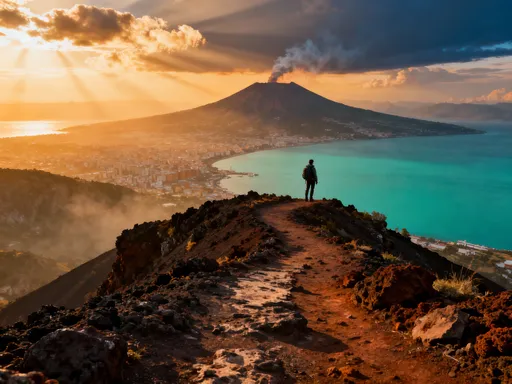
Rising 1,281 meters above sea level, Mount Vesuvius remains one of the most famous volcanoes in the world, largely due to its devastating eruption in 79 AD that buried Pompeii and Herculaneum. Yet today, it offers far more than a history lesson—it’s a living geological wonder with a hiking trail that rewards visitors with panoramic views of the Bay of Naples. The trail to the summit is well-maintained and moderately challenging, suitable for most travelers with average fitness. It begins at the upper parking area, accessible by public bus or private vehicle, and takes about 20 to 30 minutes to complete one way.
As you climb the final switchbacks, the path turns into loose volcanic gravel, requiring sturdy footwear and caution. But the effort pays off instantly. From the crater rim, you can peer into the smoldering heart of the volcano and gaze across a sweeping landscape—from the blue waters of the Gulf of Naples to the distant peaks of the Apennines. On clear days, the view stretches all the way to the island of Ischia and the Sorrento Peninsula. Interpretive signs along the route explain the volcano’s formation, eruption patterns, and monitoring systems managed by the Vesuvius Observatory.
Timing your visit is essential for both comfort and safety. The best months to hike Vesuvius are April through June and September through October, when temperatures are mild and the air is clear. Midday summer heat can be intense, especially on the exposed trail, so early morning visits are highly recommended. Wearing a hat, bringing plenty of water, and applying sunscreen are simple but crucial precautions. While the volcano is continuously monitored and considered safe for tourism, access may be restricted during periods of increased seismic activity—checking local updates before departure is wise.
For a deeper understanding of the volcano’s power and history, consider joining a guided geological tour. Certified naturalists often lead small groups, explaining not only the science behind eruptions but also the ecological recovery of the area since the last major activity in 1944. These tours may include visits to lesser-known lava flows or abandoned villages, offering a more comprehensive perspective than a self-guided hike. Whether you're drawn by adventure, science, or scenery, Vesuvius stands as a powerful reminder of nature’s enduring presence in this part of Italy.
The Amalfi Coast: Where Cliffs Meet the Tyrrhenian Sea
Renowned for its dramatic beauty, the Amalfi Coast is a UNESCO World Heritage Site stretching about 50 kilometers along southern Italy’s coastline. Its terraced cliffs, pastel-colored villages, and deep blue waters create a postcard-perfect landscape that has inspired artists and poets for centuries. While often associated with luxury hotels and upscale dining, the true magic of the Amalfi Coast lies in its natural formations—sheer limestone cliffs plunging into the sea, hidden coves accessible only by boat, and terraced hillsides blooming with lemon trees and wildflowers.
One of the most striking aspects of this region is how human settlement has harmonized with rugged terrain. Villages like Positano, Amalfi, and Ravello cling to steep slopes, connected by winding roads and narrow footpaths. Each offers unique vantage points for taking in the coastal grandeur. In Positano, the Church of Santa Maria Assunta sits at the heart of town, surrounded by cascading houses and offering sweeping sea views. A short walk uphill leads to the Via Cristoforo Colombo, a scenic path lined with bougainvillea and offering panoramic photo opportunities.
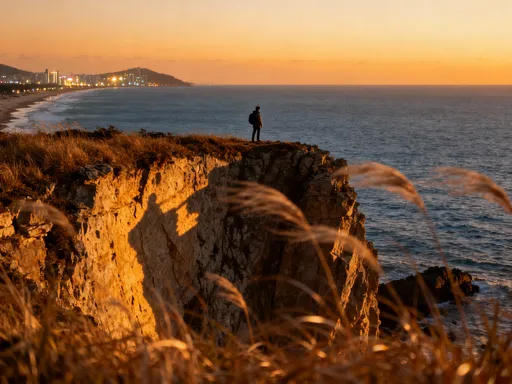
Ravello, perched higher in the mountains, is famed for its lush gardens—Villa Cimbrone and Villa Rufolo—where fragrant jasmine and rosemary fill the air, and marble terraces overlook the endless horizon. These green sanctuaries provide shade and serenity, making them ideal spots for quiet reflection. But beyond the famous towns, lesser-known trails like the Path of the Gods (Sentiero degli Dei) offer some of the most breathtaking coastal scenery. This well-marked hiking route runs between Bomerano and Nocelle, winding along cliff edges with uninterrupted views of the sea below.
To avoid the peak-season crowds, plan your visit for early morning or late afternoon. Many tourists arrive by cruise ship during midday, filling the main piazzas and beaches. By starting your hike at sunrise or exploring quieter villages like Minori or Maiori, you can enjoy a more peaceful experience. Maiori boasts one of the coast’s longest sandy beaches, perfect for swimming and sunbathing away from the usual throngs. Additionally, consider taking local buses or ferries instead of rental cars—narrow roads and limited parking make driving stressful during high season. With thoughtful planning, the Amalfi Coast can be both awe-inspiring and tranquil.
Sorrento Peninsula: Secret Coves and Coastal Paths
Extending southward into the Tyrrhenian Sea, the Sorrento Peninsula is a bridge between Naples and the Amalfi Coast, yet it holds its own charm with quieter beaches, scenic walking trails, and authentic coastal villages. While Sorrento town attracts visitors with its lemon groves and seafront promenades, the real treasures lie just beyond—hidden coves, shaded coastal paths, and small fishing harbors where life moves at a slower pace. This region is ideal for travelers who want to enjoy the beauty of the coast without the intensity of more famous destinations.
One of the best ways to explore is on foot via the Sentiero degli Accioli, a coastal trail that connects Sorrento to Massa Lubrense. Winding through olive groves and Mediterranean scrub, this path offers frequent stops with benches and viewpoints overlooking the sea. Along the way, you’ll pass small stone houses, vineyards, and clusters of cactus pear, all bathed in golden sunlight. The trail is well-marked and relatively flat in sections, making it suitable for families and casual hikers. For those seeking a swim, several rocky inlets provide access to clear, cool waters—bring water shoes, as some entry points are slippery.
Another gem is the village of Marina del Cantone, nestled in a protected bay. Its pebble beach and calm waters make it a favorite among locals, especially families with children. Unlike busier resorts, this area has a relaxed atmosphere, with family-run trattorias serving fresh seafood and homemade pasta. From here, boat rentals are available for exploring nearby sea caves and secluded swimming spots. A short ride away, the Punta Campanella Natural Reserve occupies the tip of the peninsula, preserving native flora and offering panoramic views of Capri and the open sea.
Public transportation on the peninsula is reliable, with SITA buses connecting major towns and trailheads. However, renting a scooter or small car can offer greater flexibility, especially for reaching remote coves or starting hikes at off-peak times. Just remember to park responsibly and respect local regulations. Dining options range from casual beachside kiosks to mid-range restaurants with outdoor seating—look for places displaying the regional flag or promoting local products. Whether you spend a day or a week here, the Sorrento Peninsula offers a balanced mix of natural beauty and cultural authenticity.
Cilento National Park: Italy’s Best-Kept Natural Secret
Few travelers realize that just two hours south of Naples lies one of Italy’s largest and most unspoiled protected areas—Cilento, Vallo di Diano and Alburni National Park. Covering over 180,000 hectares, this UNESCO-listed region is a sanctuary of wild mountains, ancient forests, and pristine beaches rarely touched by mass tourism. Unlike more commercialized destinations, Cilento offers a chance to experience nature in its purest form—crystal-clear rivers cutting through limestone gorges, centuries-old chestnut trees, and secluded coves accessible only by foot or boat.
One of the park’s most celebrated features is the Valley of the Mills (Valle delle Cartiere) near Palinuro, where a network of walking paths follows an old paper mill canal fed by natural springs. The sound of rushing water, the scent of damp moss, and the cool shade of towering trees create a magical atmosphere. Further inland, the Alburni Mountains offer excellent hiking opportunities, with trails leading to karst caves, high-altitude meadows, and panoramic ridgelines. The Grotta dell’Arco, a dramatic sea cave reachable by boat, is another highlight—its illuminated interior glows in shades of turquoise and gold when sunlight filters through the water.
The coastal stretch of Cilento boasts some of the cleanest beaches in southern Italy. Places like Marina di Camerota and Capitello offer soft sand, clear waters, and a laid-back vibe. Unlike crowded resorts, these towns maintain a strong connection to fishing and agriculture, with markets selling locally caught fish, figs, and extra virgin olive oil. Accommodations tend to be family-run agriturismi or small guesthouses that prioritize sustainability—many use solar power, recycle water, and serve organic meals sourced from their own gardens.
For a full-day excursion, consider visiting the ancient Greek ruins of Paestum, located on the park’s northern edge. While technically a historical site, its location within the park and surrounding wetlands makes it part of a broader ecological and cultural landscape. The temple complex is surrounded by wildflowers in spring and buzzing with dragonflies in summer, blending history with natural beauty. Whether you're hiking, swimming, or simply relaxing in a quiet village, Cilento invites slow, mindful travel—a true escape from the pace of modern life.
Island Escapes: Capri and Ischia Beyond the Glamour
Often associated with celebrities and luxury shopping, the islands of Capri and Ischia offer far more than glitz—they are natural gems shaped by volcanic forces and surrounded by some of the clearest waters in the Mediterranean. While both are accessible by ferry from Naples, Sorrento, or Positano, they provide distinctly different experiences for nature enthusiasts.
Capri, though small, is packed with dramatic landscapes. The Blue Grotto (Grotta Azzurra) is its most famous natural attraction—a sea cave where sunlight refracts through an underwater opening, illuminating the interior in an ethereal blue glow. Entry is by small boat only, and while lines can form, visiting early in the morning ensures shorter waits and calmer waters. Beyond the grotto, the island’s Path of the Forts (Sentiero dei Fortini) offers a stunning coastal hike connecting ancient lookout points. Winding along cliffs above the sea, this trail provides uninterrupted views and opportunities to spot seabirds and marine life.
Ischia, larger and less polished, is shaped by ongoing geothermal activity. Its most distinctive feature is the abundance of natural thermal springs, with waters rich in minerals that have been used for wellness since Roman times. The Giardini Poseidon thermal park in Forio offers outdoor pools fed by hot springs, set against a backdrop of cliffs and sea. Hiking trails lead through the Mount Epomeo reserve, the island’s highest point, where you can walk through eucalyptus forests and see fumaroles releasing steam from the earth. The western coast, particularly around Sant’Angelo, features black-sand beaches formed by volcanic rock, ideal for sunbathing and snorkeling.
To explore like a local, avoid day-trip crowds by staying overnight. Both islands have family-run accommodations that offer a more authentic experience. On Ischia, try a meal at a terme restaurant, where dishes are sometimes cooked using geothermal heat. Ferries run regularly, but booking in advance during summer is advisable. While Capri leans toward elegance and exclusivity, Ischia feels more grounded, with a focus on wellness and nature. Together, they represent two sides of island life—glamour and geology—both deeply rooted in the region’s volcanic soul.
Practical Tips for Exploring Naples’ Wild Side
Exploring the natural wonders around Naples requires some planning, but the rewards far outweigh the effort. The most flexible way to travel is by renting a car, which allows you to reach trailheads, remote beaches, and national park entrances on your own schedule. However, Italy’s road system in hilly areas can be narrow and winding, so choose a compact vehicle and drive cautiously. If you prefer not to drive, regional trains and buses connect major towns, and ferries provide scenic coastal routes—especially useful for visiting the islands and Amalfi Coast.
When packing for outdoor adventures, prioritize comfort and protection. Lightweight, breathable clothing, a wide-brimmed hat, and UV-protective sunglasses are essential for daytime excursions. Sturdy hiking shoes with good grip are a must for trails like Vesuvius or the Path of the Gods. Always carry a refillable water bottle—staying hydrated is critical, especially in summer. A small backpack with snacks, sunscreen, a first-aid kit, and a downloadable map can make a big difference when cell service is spotty.
Weather awareness is another key factor. While the Mediterranean climate is generally favorable, afternoon thunderstorms can occur in late summer, and coastal fog may reduce visibility in spring. Check daily forecasts and trail conditions before heading out. Some parks and reserves have seasonal opening hours or require small entrance fees—Cilento, for example, encourages eco-tourism through low-impact visitor policies. Respecting local rules, staying on marked paths, and avoiding littering helps preserve these fragile ecosystems.
For those unfamiliar with the region, guided tours offer peace of mind and enriched experiences. Licensed guides provide historical context, safety oversight, and access to lesser-known spots. Many specialize in nature, geology, or sustainable tourism, aligning with responsible travel values. Whether you choose independence or guided support, the goal remains the same: to connect deeply with the land, move mindfully through it, and leave only footprints behind.
Conclusion: Rediscovering Naples Through Nature
Naples is often remembered for its energy, its food, and its history—but it deserves equal recognition for its extraordinary natural beauty. Beyond the honking scooters and lively markets lies a world of volcanic peaks, secret coves, and ancient forests waiting to be explored. These landscapes offer more than scenic backdrops; they invite a slower, more intentional way of traveling—one that fosters connection, reflection, and renewal.
By stepping beyond the city’s iconic sights, travelers gain a deeper appreciation for the forces that have shaped this region—fire, water, and time. Each hike, swim, or quiet moment in nature becomes a way to honor the land and its history. And in doing so, we also care for its future. Sustainable travel means choosing eco-friendly accommodations, supporting local communities, and treading lightly on protected trails.
The natural wonders near Naples are not just destinations—they are invitations. To breathe deeply. To walk slowly. To see beauty in the wild, untamed corners of the world. For women in their 30s to 50s—mothers, professionals, adventurers, dreamers—these experiences offer a rare chance to recharge, reconnect, and rediscover joy in simplicity. So when you plan your next trip to Italy, don’t just pack your appetite for pizza. Pack your sense of wonder. The wild soul of Naples is waiting.