You Won’t Believe What I Found While Shopping in Vancouver
Vancouver isn’t just mountains and ocean—it’s a cultural shopping paradise hiding in plain sight. I went looking for souvenirs but ended up discovering vibrant markets, Indigenous art studios, and neighborhoods bursting with heritage. From Granville Island’s handmade treasures to Chinatown’s centuries-old traditions, every purchase told a story. If you think shopping here is just malls and chains, trust me—you’re missing the soul of the city.
Why Vancouver’s Shopping Scene Is More Than Just Retail
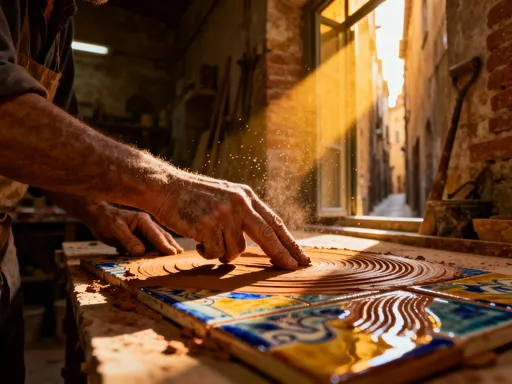
Shopping in Vancouver transcends the simple act of buying. It is an immersive experience that weaves together culture, creativity, and community. Unlike the impersonal exchanges common in big-box stores, Vancouver’s most meaningful purchases happen where stories are shared, traditions are honored, and artisans stand proudly behind their work. Travelers today increasingly seek experiences over possessions, yet in this city, the two beautifully converge. A hand-carved wooden spoon, a jar of locally foraged honey, or a silk fan painted with delicate brushstrokes—each item carries the imprint of the person who made it and the place it comes from.
The shift toward experiential spending has transformed urban tourism, and Vancouver leads the way in offering retail experiences that feel authentic and enriching. When visitors choose to support local makers, they’re not just acquiring goods—they’re participating in a cultural exchange. This connection deepens travel satisfaction, turning a simple outing into a memory grounded in human interaction. Studies have shown that travelers who engage with local economies report higher levels of emotional fulfillment, and Vancouver’s shopping culture is tailor-made for this kind of meaningful engagement.
Mass-produced souvenirs may be convenient, but they lack soul. In contrast, items crafted by Vancouver’s artists and small business owners reflect the city’s diverse heritage and environmental consciousness. Whether it’s a knitted scarf made from sustainable wool or a ceramic bowl shaped by a studio artist in East Van, these objects invite curiosity and conversation. They become more than mementos—they are conversation starters, legacy pieces, and quiet acts of preservation. By choosing authenticity over convenience, shoppers help sustain the very culture they’ve come to admire.
Granville Island: Where Craftsmanship Meets Culture
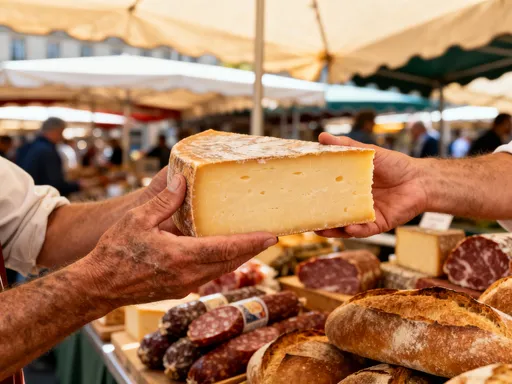
At the heart of Vancouver’s artisan scene lies Granville Island, a bustling hub of creativity and community. Connected to downtown by a short water taxi or a scenic walk across the Granville Street Bridge, this industrial-turned-cultural enclave hosts the renowned Public Market, a sensory delight where the scent of fresh bread mingles with the aroma of locally roasted coffee and handcrafted soaps. The market is more than a place to shop—it’s a living gallery of Vancouver’s creative spirit. Vendors display everything from hand-thrown pottery to hand-dyed scarves, each stall a testament to patience, skill, and passion.
One of the island’s greatest strengths is its commitment to local sourcing. Food artisans offer jams made from Fraser Valley berries, smoked salmon from Haida Gwaii, and small-batch chocolates crafted with organic cacao. These products aren’t just delicious—they support regional agriculture and sustainable fishing practices. Shoppers can meet the makers, ask about their process, and even sample before buying. This direct connection fosters trust and deepens appreciation, turning grocery shopping into an educational and emotional experience.
Beyond the market, the island is home to artist studios, theaters, and craft workshops. Visitors can watch glassblowers shape molten glass into delicate sculptures or observe painters at work in sunlit lofts. These live demonstrations are not staged performances but genuine glimpses into daily creative life. For families and curious travelers, these moments offer rare access to the art-making process, making Granville Island especially appealing to those who value transparency and authenticity.
To make the most of a visit, timing is key. The market opens at 9 a.m. and is busiest between noon and 4 p.m., especially on weekends. Arriving early allows for quieter browsing and better access to popular vendors. Thursdays and Fridays tend to be less crowded than Saturdays. Additionally, summer weekends often feature live music and chef-led cooking demos, adding another layer of cultural engagement. Whether you’re picking up a jar of lavender honey or watching a woodworker sand a cedar bowl, Granville Island offers a rhythm of discovery that feels both relaxed and rewarding.
Chinatown’s Living Heritage Through Goods and Galleries
Vancouver’s Chinatown, one of the oldest in North America, is a living archive of resilience, tradition, and community. Established in the late 1800s by Chinese immigrants who helped build the Canadian Pacific Railway, this neighborhood has preserved its cultural identity through generations. Today, it remains a vibrant center of heritage, where red lanterns sway above bustling sidewalks and the scent of roasting duck fills the air. More than a tourist destination, Chinatown is a place where history is lived daily—through food, language, and commerce.
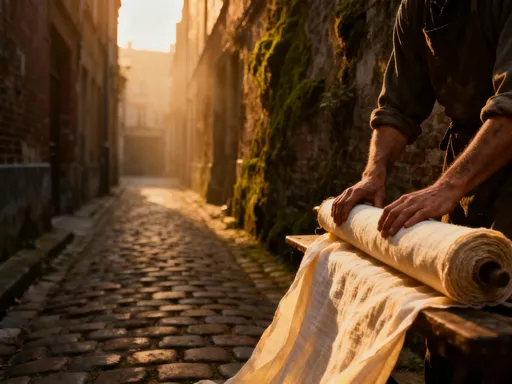
The shops here are not mere storefronts; they are vessels of cultural memory. Traditional herb shops line Pender Street, their shelves lined with dried roots, mushrooms, and teas used in centuries-old remedies. These apothecaries are often family-run, with knowledge passed down through decades. While some ingredients may be unfamiliar to visitors, staff are usually happy to explain their uses, creating opportunities for cross-cultural dialogue. Similarly, calligraphy studios offer hand-brushed scrolls and personalized name art, connecting shoppers to the elegance of Chinese writing and philosophy.
For those seeking authentic souvenirs, Chinatown offers items rich in meaning. Silk fans, jade pendants, embroidered handbags, and hand-painted teacups are more than decorative—they reflect artistic traditions that span thousands of years. The Dr. Sun Yat-Sen Classical Chinese Garden, nestled within the neighborhood, further enhances the cultural experience. Its tranquil courtyards and scholar’s rocks inspire a sense of harmony and balance, often influencing the design of nearby crafts. Visitors who explore the garden before shopping often find their choices more intentional, drawn to pieces that reflect its serene aesthetic.
Supporting family-owned businesses in Chinatown is a powerful way to honor the community’s legacy. Many shops have operated for over 50 years, surviving economic shifts and urban development challenges. By choosing to buy from these establishments, travelers contribute to the preservation of a unique cultural landscape. It’s not just about purchasing a keepsake—it’s about participating in the continuation of a story that began long before tourism existed.
Indigenous Art as a Form of Cultural Connection
No exploration of Vancouver’s cultural shopping scene is complete without acknowledging the deep presence of Coast Salish and other First Nations art. Indigenous craftsmanship in the region is not merely decorative—it is a language, a spiritual practice, and a form of historical storytelling. From intricately carved totem poles to limited-edition prints featuring traditional formline designs, these works convey ancestral knowledge, clan identities, and connections to the land. For visitors, engaging with this art is an opportunity to learn, respect, and support living cultures.
Authentic Indigenous art can be found in several trusted galleries across downtown Vancouver. The Bill Reid Gallery of Northwest Coast Art, named after the celebrated Haida artist, is a premier destination for high-quality, ethically sourced pieces. Its exhibitions include carvings, jewelry, textiles, and multimedia installations, all created by Indigenous artists. The gallery also provides educational materials that explain the cultural significance of different symbols and techniques, ensuring that buyers understand what they are purchasing. Similarly, the Native Education Centre hosts rotating art shows and craft sales, often featuring emerging and community-based artists.
It is crucial, however, to distinguish genuine Indigenous art from mass-market imitations. Tourist shops sometimes sell items labeled as “Native-style” that are actually produced overseas with no cultural connection. These knockoffs not only lack authenticity but also undermine the livelihoods of Indigenous artists. To shop responsibly, look for artist signatures, certificates of authenticity, and information about the creator’s community. Whenever possible, buy directly from Indigenous-owned galleries or artist cooperatives. This ensures that the economic benefits stay within the community and that cultural integrity is maintained.
Supporting Indigenous art is more than a shopping choice—it is an act of reconciliation and respect. Many artists use their work to address historical trauma, celebrate resilience, and educate the public. When a traveler takes home a hand-carved raven mask or a beaded bracelet, they carry with them not just beauty, but a deeper understanding of the First Peoples of British Columbia. This kind of purchase fosters empathy and connection, transforming a souvenir into a symbol of mutual respect.
Commercial Drive: A Mosaic of Immigrant Stories and Independent Shops
Stretching from Main Street to Victoria Drive, Commercial Drive is a colorful tapestry of immigrant cultures and independent enterprise. Known locally as “The Drive,” this neighborhood pulses with energy, from its murals and bike lanes to its bustling cafes and eclectic boutiques. It is a place where Latin American bakeries sit beside Middle Eastern spice shops, and South Asian fabric stores share sidewalks with vegan bakeries. This diversity is not curated for tourism—it is the everyday reality of a community built by generations of newcomers.
The shopping experience here is intimate and personal. Small boutiques specialize in handmade jewelry, vintage clothing, and artisanal home goods. Unlike downtown malls, where branding dominates, The Drive celebrates individuality. Shop owners often greet customers by name, and conversations flow easily between shelves of fair-trade coffee and handwoven baskets. This human-scale commerce fosters trust and belonging, making visitors feel welcomed rather than targeted as consumers.
Hidden gems abound. Independent bookstores host poetry readings and author talks, offering literary culture in an age of digital dominance. Vintage clothing stores specialize in 1970s denim, 1980s leather, and retro accessories, appealing to fashion-savvy shoppers who value sustainability. Craft fairs and pop-up markets appear seasonally, showcasing local designers and makers. Even the street art tells stories—murals honor social justice movements, celebrate cultural heritage, and reflect community pride.
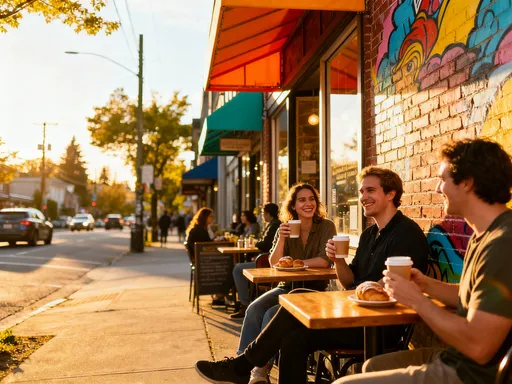
What sets Commercial Drive apart is its rhythm. Shopping here is not rushed. It unfolds over coffee, conversation, and curiosity. A traveler might begin by browsing a Ukrainian gift shop, then stop for a arepa at a Colombian cafe, and end the day with a hand-bound journal from a local stationer. This unhurried pace allows for deeper engagement, turning a simple errand into a cultural journey. For families and solo travelers alike, The Drive offers a refreshing alternative to commercialized retail zones.
Seasonal Markets and Festivals That Turn Shopping Into Celebration
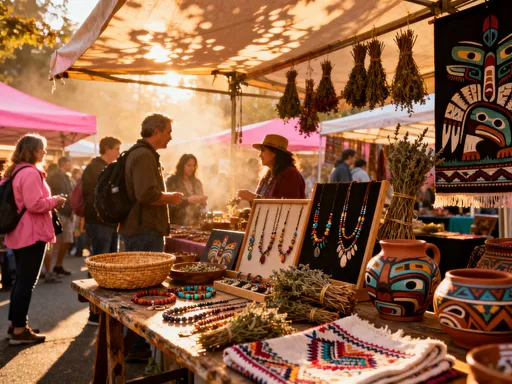
Vancouver’s shopping culture comes alive in its seasonal markets and festivals, where commerce blends with celebration. These events transform public spaces into joyful gatherings of food, music, and handmade goods. The Vancouver Flea, held at various locations including Railtown and New Westminster, is a favorite among locals and visitors. Featuring over 100 vendors, it offers everything from vintage records to organic skincare, all set to the soundtrack of live DJs and local bands. Admission is often free, making it accessible to all.
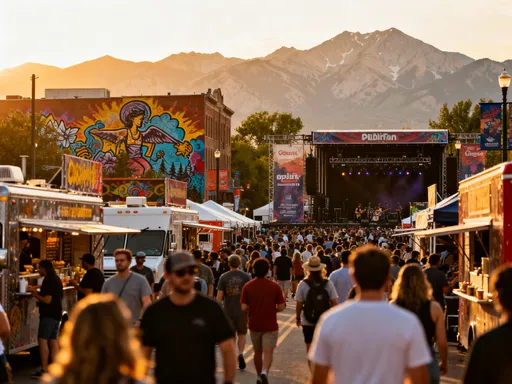
Equally vibrant is the Night Market, a summertime staple in Railtown that draws thousands each weekend. Inspired by Southeast Asian night markets, this event combines food trucks serving bao buns, bubble tea, and satay with stalls selling handmade jewelry, plants, and art prints. String lights overhead create a magical atmosphere, and families stroll with ice cream in hand. The market is wheelchair accessible and family-friendly, with activities for children and plenty of seating. For many, it’s not just a shopping trip—it’s a weekly ritual of connection and joy.
Seasonality shapes the rhythm of these markets. Summer brings outdoor pop-ups in parks and parking lots, often linked to festivals like the Eastside Culture Crawl or the Vancouver Mural Festival. Winter ushers in holiday markets, such as the Queen Elizabeth Market, where shoppers find hand-knit scarves, wooden ornaments, and spiced cider. These events are not only festive but also community-driven, with proceeds often supporting local nonprofits or artist collectives.
For travelers planning a visit, aligning their trip with market dates can significantly enhance their experience. Event calendars are available through the City of Vancouver’s tourism website and local news outlets. Staying midweek allows for quieter visits, while weekend attendance offers the full festive atmosphere. Whether browsing for a unique gift or simply soaking in the ambiance, these markets exemplify how shopping in Vancouver can be a shared celebration of creativity and community.
Smart Shopping: Balancing Budget, Authenticity, and Meaning
Shopping thoughtfully in Vancouver doesn’t require a large budget—it requires awareness. With so many options, it’s easy to feel overwhelmed or overspend. The key is to focus on value, not just price. A $20 souvenir from a mass retailer may cost less upfront, but a $40 handcrafted bowl from a local potter offers lasting beauty and cultural significance. By prioritizing quality and authenticity, shoppers ensure their purchases have meaning and durability.
Identifying genuine, culturally respectful products starts with observation. Look for signs of handcrafting—imperfections in stitching, variations in glaze, or unique design elements. Ask vendors about their materials and process. Most artisans are eager to share their story, and a simple question like “Is this made locally?” can lead to a meaningful conversation. Avoid items that caricature cultural symbols or use sacred imagery inappropriately. Respectful shopping means honoring the traditions behind the objects.
Negotiation is generally not expected in Vancouver’s markets, especially when dealing with small-scale artisans. These creators often price their work fairly, accounting for time, materials, and skill. Instead of haggling, consider supporting them by purchasing multiple small items or recommending their work to others. A kind word or social media tag can mean as much as a sale.
Getting around the city is easy and affordable. TransLink’s public transit system connects all major shopping districts, with buses, SkyTrain, and the SeaBus providing reliable service. A day pass allows unlimited travel and is cost-effective for tourists. Biking is another excellent option, with dedicated lanes and bike-sharing stations throughout downtown and along the seawall. By using transit, shoppers reduce stress, avoid parking fees, and enjoy a more immersive urban experience.
Conclusion
Shopping in Vancouver transcends transactions—it’s a dialogue with the city’s many voices. When you choose to buy thoughtfully, you don’t just take home objects; you carry forward stories of resilience, creativity, and community. This is travel with meaning, one authentic purchase at a time. From the bustling aisles of Granville Island to the quiet reverence of an Indigenous art gallery, every stop offers a chance to connect, learn, and give back. The souvenirs you bring home will not just decorate your shelves—they will remind you of the people you met, the traditions you witnessed, and the quiet joy of discovering a city not through its skyline, but through its soul.