You Gotta See These Philadelphia Spots—They’re Actually Mind-Blowing
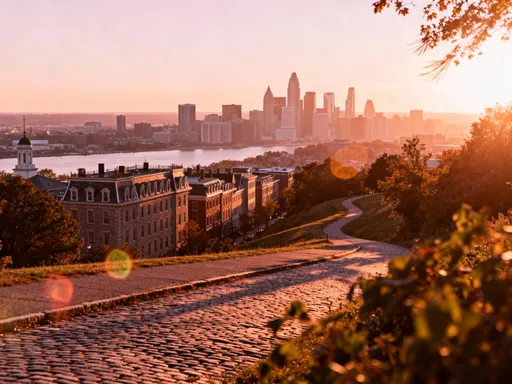
If you think Philadelphia is just about cheesesteaks and history, trust me—you’re missing half the story. I hit the streets with no agenda and stumbled upon views, parks, and hidden corners that totally changed my perspective. From sunrise at the Art Museum steps to quiet riverside paths most tourists walk right past, Philly’s scenic side is real and absolutely stunning. This isn’t just a guide—it’s what I wish someone had told me before my first visit. What I discovered was a city that pulses with quiet beauty, where brick pathways glow in golden light and riverbanks reflect a skyline slowly waking up. Philadelphia isn’t only about the past; it’s a living canvas of urban charm and natural serenity waiting to be seen.
Reimagining Philadelphia: More Than Just a History Book
Philadelphia is often introduced as the birthplace of American democracy, home to Independence Hall, the Liberty Bell, and cobblestone streets steeped in colonial history. These landmarks are undeniably important, and they draw millions every year. But when travelers limit their view to historic sites alone, they overlook a quieter, equally compelling side of the city—one defined by light, landscape, and the gentle rhythm of urban life unfolding in unexpected places. The truth is, Philadelphia’s scenic soul reveals itself when you stop treating it like a museum and start walking it like a poem.
I remember standing on Chestnut Street just after dawn, the sky still soft with morning blue, when the sun hit the red brick of Independence Hall at just the right angle. The entire facade seemed to warm from within, glowing like embers. There were no tour groups yet, no loudspeakers, just the quiet hum of the city waking up. In that moment, history didn’t feel distant—it felt alive, wrapped in the beauty of the present. That’s when it struck me: Philadelphia’s charm isn’t just in what happened here, but in how it looks and feels today.
Scenic experiences matter because they slow us down. They invite reflection, offer peace, and deepen our connection to a place. In a city often judged by its revolutionary legacy, these moments of visual grace remind us that beauty coexists with history. Whether it’s the way ivy climbs an old library wall or how the skyline shimmers across the Schuylkill River, Philadelphia rewards those who look beyond the guidebooks. It’s not about replacing the historical with the picturesque—it’s about seeing how they complement each other.
For women between 30 and 55, many of whom balance family, work, and personal well-being, a trip that combines meaning with serenity is especially valuable. Philadelphia offers that rare blend: educational depth for the mind and scenic calm for the soul. By reimagining the city as both a classroom and a garden, travelers can create an experience that nourishes both curiosity and calm. The city’s layers unfold best when explored with intention, not just a checklist.
The Iconic Must-See: Where Postcards Come to Life
No visit to Philadelphia feels complete without standing at the base of the Philadelphia Museum of Art’s grand staircase—the famous “Rocky Steps.” Made legendary by the film franchise, this spot draws crowds year-round, yet it remains one of the most genuinely scenic places in the city. The wide marble steps rise dramatically toward the museum’s imposing columns, framed by the Benjamin Franklin Parkway’s tree-lined boulevard stretching back toward City Hall. At sunrise, when the air is crisp and the light slants gold across the stone, the entire scene feels cinematic in the best way.
What makes this location truly special isn’t just its fame, but its energy. Visitors from around the world gather here not just to reenact Rocky’s triumphant run, but to feel a sense of personal victory, of arrival. The view from the top—of the city skyline, the parkway, and the swirling patterns of traffic below—is expansive and uplifting. It’s a moment of elevation, both literal and emotional. For many, especially those traveling solo or with children, this spot offers a powerful sense of accomplishment and inspiration.
To make the most of it, timing is key. Arriving before 8 a.m. on a weekday ensures fewer crowds and softer light, perfect for photography. Stand slightly to the left of center when facing the steps for the best angle that includes both the staircase and the skyline behind. Bring a light jacket—mornings here can be cool, even in summer. And don’t rush the moment. Spend a few minutes simply breathing in the view. Let the city settle into your awareness.
Just beyond the museum, the Benjamin Franklin Parkway unfolds like a green spine through the city. Inspired by the Champs-Élysées in Paris, this broad avenue connects cultural institutions, fountains, and open plazas. The Swann Memorial Fountain in Logan Square, with its sculpted figures representing regional waterways, is especially photogenic in the late afternoon. The parkway is also ideal for a morning walk or a relaxed stroll between museums. Along the way, benches invite rest, and seasonal flower beds add bursts of color. It’s a space designed not just for transit, but for lingering.
What ties these iconic spots together is their ability to blend grandeur with accessibility. You don’t need a ticket or a tour to experience them. They belong to everyone. And that democratic spirit—so central to Philadelphia’s identity—shines through in the way these spaces welcome all kinds of visitors, from families with strollers to elderly couples holding hands. The city’s most famous views are not locked behind velvet ropes; they’re out in the open, waiting to be discovered.
Green Escapes in the City: Finding Calm in Fairmount Park
If the urban energy of Center City feels overwhelming, Fairmount Park offers a peaceful retreat without ever leaving the city limits. Covering over 2,000 acres, it’s one of the largest urban park systems in the United States, yet many tourists never venture beyond its edges. What they miss is a world of tree-shaded trails, historic mansions, and riverfront paths that feel worlds away from city life. For those seeking quiet, natural beauty, Fairmount Park is a sanctuary.
The Schuylkill River Trail, which runs through the heart of the park, is a favorite among locals. Paved and well-maintained, it’s perfect for walking, jogging, or biking. In the early morning, mist rises off the water, and herons can often be seen wading along the banks. The trail connects to the larger Circuit Trails network, a regional system that spans hundreds of miles, but even a few hours here offer a deep sense of immersion in nature. Along the way, benches and overlooks provide places to pause and take in the view—the river curving gently, the skyline rising in the distance, the trees framing everything like a living painting.
One of the park’s quieter gems is the Fairmount Park Horticulture Center. Tucked away near the Please Touch Museum, this glass-enclosed garden bursts with color year-round. Inside, seasonal displays feature blooming tulips in spring, lush ferns in summer, and vibrant chrysanthemums in fall. The air is warm and fragrant, a welcome contrast to the city’s chill in winter. Outside, the surrounding gardens include a rose garden, a butterfly garden, and a calming koi pond. It’s a place where time slows, ideal for reflection or a quiet conversation with a friend.
Another hidden treasure is the Centennial District, once the site of the 1876 World’s Fair. Today, it’s a peaceful expanse of open lawns, shaded groves, and historic buildings. The Centennial Arboretum features over 100 species of trees, each labeled for educational interest. Families often picnic here, and dog walkers follow winding paths under canopy trees. What makes this area special is its stillness. Despite being just minutes from downtown, it feels secluded, almost rural. For women seeking a break from daily responsibilities, this kind of quiet green space can be restorative.
Fairmount Park also hosts several historic homes open to the public, including Laurel Hill Mansion and Cedar Grove. These 18th- and 19th-century estates offer guided tours that blend architecture, history, and garden design. Walking through their manicured grounds, it’s easy to imagine Philadelphia’s early elite enjoying summer evenings here. But today, these spaces belong to everyone. They’re not just relics—they’re living parts of the city’s green legacy.
Riverfront Views: A New Angle on Urban Beauty
The transformation of Philadelphia’s riverfronts over the past two decades has been nothing short of remarkable. Once dominated by industrial docks and abandoned warehouses, the banks of the Delaware and Schuylkill Rivers now feature scenic trails, public art, and open plazas that invite exploration. These waterfront spaces offer a fresh perspective on the city—one that blends natural beauty with urban renewal.
The Schuylkill River Trail, already a highlight in Fairmount Park, continues south into Center City and beyond, passing under dramatic bridges and alongside bustling neighborhoods. As it nears Penn’s Landing, the trail opens up to wide pedestrian promenades with unobstructed views of the river and the Camden skyline across the water. This area is especially lively on weekends, with food trucks, outdoor concerts, and pop-up markets. Yet even during busy times, there are quiet corners—benches facing the water, shaded groves, and floating gardens—that offer moments of peace.
Cherry Street Pier, located along the Delaware River, is a creative hub housed in a former cargo terminal. Today, it’s home to artist studios, craft vendors, and seasonal exhibitions. The interior is bright and airy, filled with natural light and the hum of creativity. But the real draw is the outdoor deck, which extends over the water. From here, you can watch barges drift by, see the Ben Franklin Bridge light up at dusk, and feel the river breeze on your face. It’s a place that celebrates both art and atmosphere.
What makes the riverfront so scenic is the contrast it offers—old and new, industrial and natural, motion and stillness. Rusting rail lines sit beside sleek bike paths. Graffiti-covered walls are framed by blooming wildflowers. And the skyline, seen from the water, looks different—softer, more reflective. For photographers and casual observers alike, these juxtapositions create endless visual interest.
The Circuit Trails network ties much of this together, linking over 300 miles of pathways across the region. Signage is clear, surfaces are generally smooth, and rest areas are well placed. Whether you’re walking a short stretch or planning a full-day adventure, the riverfront trails are accessible and safe. For families, they offer a healthy, low-cost activity. For solo travelers, they provide a chance to move mindfully through the city. And for those who simply want to see Philadelphia from a new angle, the rivers deliver.
Hidden Hilltops and Overlooks: Philly’s Best-Kept Secrets
Beyond the well-trodden paths lie Philadelphia’s most intimate scenic treasures—hilltops and overlooks that offer panoramic views with none of the crowds. These spots are not always marked on tourist maps, but they reward those who seek them out. They are places of discovery, where the city spreads out below like a living map, and the air feels a little clearer.
One such place is the grounds of Cliveden, a historic house in the Germantown neighborhood. Set on a rise, its lawn slopes gently toward the city, offering a sweeping view, especially at sunset. The house itself, dating to the 1760s, stands as a monument to colonial history, but the real magic happens outside. In the evening, as the sky turns pink and orange, the surrounding trees catch the light, and the distant skyline begins to glow. It’s a peaceful, reflective space—perfect for a quiet moment of gratitude.
Lemon Hill Mansion, located in Fairmount Park near the Philadelphia Zoo, is another hidden gem. Built in the early 1800s as a summer home for a wealthy merchant, it sits atop a bluff overlooking the Schuylkill River. The surrounding gardens are meticulously maintained, with winding paths, flowering shrubs, and stone terraces. From the upper lawn, visitors can see the river curving around the park, boats gliding silently, and the Center City skyline rising in the distance. On a clear day, the view stretches for miles. It’s a favorite spot for engagement photos and quiet picnics, yet it remains surprisingly uncrowded.
Another lesser-known vantage point is the ridge in East Falls, near the intersection of Ridge Avenue and Hermitage Street. This residential area climbs steeply, and at certain turns, the trees part to reveal breathtaking views of the river valley. There’s no formal park here—just a few roadside pull-offs—but the vista is unforgettable. In the fall, when the leaves turn, the entire slope becomes a tapestry of red, gold, and amber. It’s the kind of place you stumble upon and immediately want to tell a friend about.
What these hidden spots share is a sense of intimacy and authenticity. They aren’t designed for mass tourism; they’re part of the city’s everyday fabric. Yet they offer some of the most powerful scenic experiences in Philadelphia. For women who value meaningful, low-pressure travel, these quiet overlooks provide space to breathe, reflect, and reconnect with beauty on a personal level.
Seasonal Shifts: How Philadelphia’s Scenery Changes All Year
One of the most delightful aspects of Philadelphia is how it transforms with the seasons. Each time of year brings its own palette, rhythm, and mood, offering repeat visitors something new to discover. Understanding these shifts can help travelers choose the best time to visit based on the kind of experience they seek.
Spring arrives with a burst of color. Cherry blossoms bloom along the Parkway and in Fairmount Park, their delicate pink flowers creating a soft, dreamy atmosphere. Dogwoods and redbuds add splashes of white and magenta to the city’s green spaces. This is a gentle, hopeful season—ideal for slow walks and outdoor photography. Mornings can be crisp, so a light jacket is advisable, but by midday, the sun feels warm and inviting. Spring also brings the city’s gardens to life, with tulips, daffodils, and hyacinths lining walkways and filling flower beds.
Summer turns Philadelphia lush and vibrant. The trees are fully leafed out, parks are thick with greenery, and the rivers sparkle under the sun. This is the season for long evenings on the waterfront, ice cream from a local stand, and outdoor festivals. However, summer days can be hot and humid, so early mornings or late afternoons are best for extended walks. The Horticulture Center offers a cool, refreshing escape, and shaded trails along the river provide relief from the heat. For families, summer offers the most outdoor programming, from concerts in the park to outdoor movies.
Fall is often considered the most scenic season. The city’s many trees—oaks, maples, sycamores—turn brilliant shades of red, orange, and gold. Wissahickon Valley Park, part of Fairmount Park, becomes a favorite destination for leaf peepers. The narrow gorge, with its rocky cliffs and winding stream, feels like a woodland escape. Even in the heart of the city, pockets of fall color appear—on the Parkway, in Rittenhouse Square, and along residential streets. The air is crisp, the light is golden, and the mood is reflective. It’s a perfect time for journaling, photography, or simply savoring the beauty of change.
Winter in Philadelphia is often underestimated. While the city can get cold, it also gains a quiet elegance. Frost dusts the trees and railings, and snow-covered parks take on a serene, monochrome beauty. Independence Hall looks especially striking under a light snow, its red bricks contrasting with white steps. The holiday season brings festive lights to the Parkway and Center City, and outdoor ice skating at Dilworth Park offers a joyful, family-friendly activity. For those who don’t mind cooler weather, winter offers the clearest skies and the fewest crowds—ideal for peaceful exploration.
Putting It All Together: Planning Your Scenic Journey
With so many scenic opportunities, planning a visually rich itinerary in Philadelphia can feel overwhelming. The key is to balance iconic spots with hidden gems, and structured visits with spontaneous exploration. Start with a morning at the Art Museum steps to catch the sunrise and the soft light on the skyline. Afterward, walk down the Benjamin Franklin Parkway, pausing at the Swann Fountain and the Barnes Foundation for a dose of art and tranquility.
From there, head to Fairmount Park. Rent a bike or walk the Schuylkill River Trail toward the Horticulture Center. Plan a light lunch at a café near the Please Touch Museum or pack a picnic to enjoy under the trees. In the afternoon, visit Lemon Hill Mansion or Cliveden for a quiet hilltop view. These spots are close enough to combine in a single day, yet far enough apart to feel like distinct experiences.
If you have time, dedicate a second day to the riverfront. Begin at Penn’s Landing, walk along the promenade, and continue to Cherry Street Pier. In the evening, return to the Art Museum steps to see the city lit up at night—a completely different, equally magical perspective. For families, include a visit to the Philadelphia Zoo or the Adventure Aquarium in Camden, both located near scenic river paths.
Getting around is easy. Philadelphia is walkable in its core, and the SEPTA transit system connects major areas. The subway, buses, and regional rail are reliable and safe. For longer distances, rideshare services or bike rentals offer flexibility. Use apps like Google Maps or the Circuit Trails app to navigate trails and plan routes. Always check the weather and dress in layers—Philly’s climate can shift quickly.
The most important part of your journey, however, is mindset. Let go of the need to see everything. Instead, focus on presence—on really seeing the light on the brick, the pattern of leaves on a path, the way the river reflects the sky. These are the moments that stay with you. For women who often put others first, this kind of intentional travel can be deeply restorative.
Philadelphia invites you to look closely, to slow down, and to let its beauty unfold. It’s a city that rewards curiosity and patience. Whether you’re drawn to grand vistas or quiet corners, to history or nature, there’s a view here that will take your breath away. The journey isn’t about ticking off landmarks—it’s about opening your eyes to the poetry of place. And when you do, you’ll find that Philadelphia is not just a city of the past, but a living, breathing work of art, waiting to be seen.